
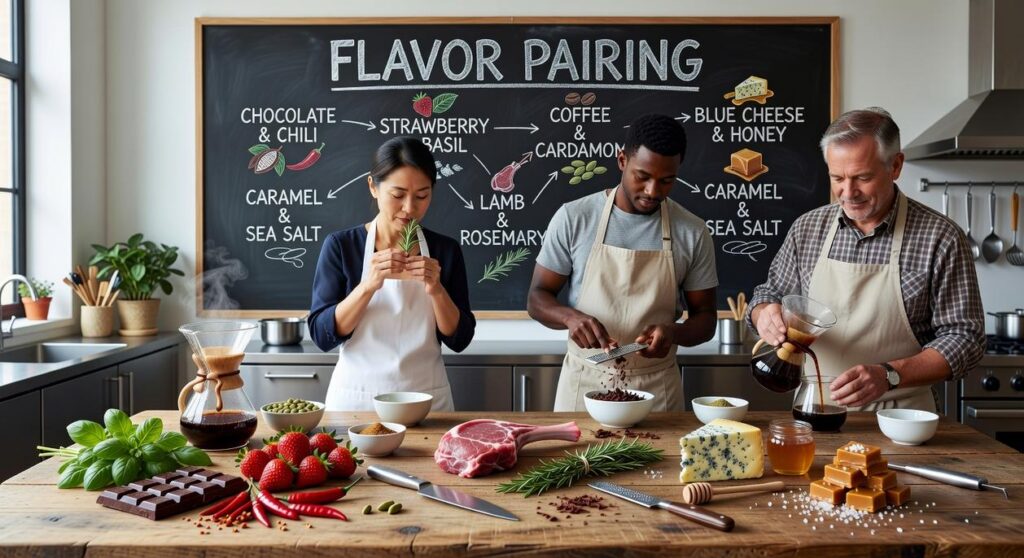
Great food and drinks don’t happen by accident—they’re built on balance, contrast, and a deep understanding of the science of flavor combinations. If you’re searching for ways to elevate your culinary creations, experiment with bold pairings, or better understand how ingredients interact, this article is designed for you.
We explore how flavors complement or challenge one another, how texture and aroma influence taste perception, and how seasonal ingredients can transform an ordinary recipe into something unforgettable. From beverage fusion concepts to gourmet recipe inspiration and smart pairing strategies, you’ll gain practical insights you can apply immediately in your kitchen or bar.
Our approach blends culinary creativity with evidence-based flavor principles, drawing from established research in taste chemistry and sensory analysis. The result? Clear, actionable guidance that helps you craft memorable dishes and drinks with confidence—whether you’re refining classics or inventing something entirely new.
Why Some Flavors Sing Together and Others Clash
First, let’s define flavor pairing: the practice of combining ingredients that share key aroma compounds (the microscopic molecules responsible for smell and taste). When two foods overlap chemically, our brains register harmony. That’s the science of flavor combinations in action. However, I believe intuition still matters. Strawberries and basil work because they share green, fruity notes; strawberries and garlic usually fight (and not in a fun, Avengers way). On the other hand, contrast can shine. Think salted caramel: sweet meets salty, creating balance. Balance, in culinary terms, means no single taste dominates.
The Scientific Pillars of Flavor Harmony
Great flavor pairing isn’t luck—it’s chemistry you can taste. Let’s break down how to use it in your own kitchen.
Aromatic Compounds (The Flavor Compound Hypothesis)
At the molecular level, ingredients that share key aromatic compounds—the tiny molecules responsible for smell—often taste harmonious together. This idea is central to the science of flavor combinations. For example, basil and tomato both contain eugenol, which explains why they feel inseparable in a Caprese salad. Likewise, white chocolate and caviar share trimethylamine notes (surprising, but true), creating an unexpectedly elegant pairing.
Try this: When experimenting, pair ingredients that smell similar when raw. If their aromas overlap, chances are the flavors will too.
The Five Basic Tastes
Flavor balance depends on the five basic tastes: sweet, sour, salty, bitter, and umami (savory depth found in foods like mushrooms or aged cheese). The key is contrast and control. Salt suppresses bitterness in dark chocolate. Acidity—from lemon juice or vinegar—cuts through fatty richness in dishes like creamy pasta. Meanwhile, a touch of sweetness can mellow spicy heat.
Pro tip: If a dish tastes “flat,” add a pinch of salt or a squeeze of citrus before anything else.
Texture and Mouthfeel
Beyond taste, consider trigeminal sensations—physical feelings like chili heat, minty cooling, or the drying astringency of tannins in red wine. Pair creamy with crunchy (think yogurt and toasted nuts) to create excitement. After all, contrast keeps each bite interesting—and keeps guests coming back for more.
Congruent vs. Complementary: Two Paths to Deliciousness

Flavor pairing can sound technical, but it really comes down to two simple ideas: similarity and contrast.
Congruent Pairings (Finding Common Ground)
A congruent pairing brings together ingredients that share key flavor compounds (naturally occurring chemical elements that create taste and aroma). Think coffee and chocolate. Both contain roasted, slightly bitter notes, so when combined, those flavors intensify. The same goes for mushrooms and red meat—each rich in umami (the savory “fifth taste” caused by glutamates).
These pairings feel seamless and comforting (like your favorite playlist that never surprises you). They build depth rather than tension.
- Coffee + chocolate = amplified roasted notes
- Mushrooms + steak = layered savoriness
Complementary Pairings (The Power of Contrast)
A complementary pairing balances opposing elements. Salty prosciutto with sweet melon works because salt sharpens sweetness. Rich, fatty cheese with acidic wine succeeds because acidity cuts through fat, cleansing the palate.
- Prosciutto + melon = sweet-salty balance
- Brie + crisp white wine = fat meets acid
Use science of flavor combinations in the section once exactly as it is given
When should you choose each? Congruent pairings create cozy, unified flavors. Complementary ones create energy and surprise. For more inspiration, explore seasonal ingredients that create bold taste contrasts.
From Theory to Glass: A Beverage Fusion Case Study
Imagine two spritzes side by side.
A: Plain grapefruit and soda.
B: Smoked Rosemary & Grapefruit Spritz with smoked salt.
Both are refreshing. Only one is layered, aromatic, and borderline OBSESSIVE (in a good way).
Let’s deconstruct why.
Analyzing the Components
Grapefruit brings sourness (from citric acid), bitterness (from compounds like naringin), and aromatic oils in the peel. Sour wakes up the palate. Bitter adds sophistication—though too much can feel sharp.
Rosemary contributes piney, herbaceous notes from volatile compounds like cineole and pinene. These molecules overlap with citrus aromatics, which is where the magic starts.
Smoked Salt delivers salinity and subtle umami. Salt suppresses bitterness and enhances perceived sweetness—this is chemistry, not opinion.
Sparkling Water adds carbonation, creating a trigeminal sensation (that pleasant fizzy bite). Bubbles also act as aroma elevators, carrying volatile compounds upward with each sip.
Why the Pairing Works
According to the science of flavor combinations in the section once exactly as it is given, ingredients that share aromatic compounds tend to pair well. Rosemary and grapefruit both contain terpenes, so their aromas reinforce rather than compete.
Now compare two scenarios:
- Without smoked salt: bitterness dominates.
- With smoked salt: bitterness softens, citrus brightens, herbs bloom.
Some argue herbs overpower delicate citrus. Fair. But balance is about proportion, not exclusion. A light rosemary infusion enhances; a heavy one hijacks.
Pro tip: Express fresh grapefruit peel over the glass before serving to intensify aroma without extra acidity.
The result isn’t random creativity—it’s calculated contrast, balance, and lift in liquid form.
Beyond the Lab: The Art of Seasonal and Intuitive Pairing
Peak-season produce carries higher sugar and aromatic compound levels; studies show fruits harvested ripe can contain up to 20% more volatile aroma molecules (Journal of Agricultural and Food Chemistry). That’s why spring peas with mint or autumn squash with sage taste electric, not forced. The science of flavor combinations explains shared compounds, but seasonality amplifies them.
To build intuition, taste ingredients solo. Notice texture, acidity, finish. Keep notes; repetition forms “flavor memory.” Chefs who practice mindful tasting identify complementary notes faster, like musicians recognizing chords (practice makes patterns obvious) quickly.
Start Crafting Your Own Unforgettable Flavors
Flavor pairing isn’t luck; it’s rooted in the science of flavor combinations—the chemistry of shared aromatics, balanced tastes, and contrasting textures. When you understand why tomato and basil sing (shared volatile compounds) or why salt sharpens caramel, you stop guessing and start creating.
You now have the tools to move beyond basic recipes and actually innovate in your kitchen.
• Pro tip: Try one complementary pairing tonight—like citrus with seafood—and adjust acid, sweetness, and crunch until it clicks.
Master the “why,” and every meal becomes a playground (yes, even Tuesday dinner) with confidence and curiosity.
Elevate Every Sip with Purpose
You came here to better understand how flavor pairings, seasonal ingredients, and thoughtful beverage fusion can transform the way you experience drinks. Now you have the insight to approach every recipe with more intention, creativity, and confidence.
When flavors feel unbalanced or uninspired, it can be frustrating to spend time crafting a drink that simply falls flat. That’s where understanding the science of flavor combinations changes everything. With the right knowledge, you stop guessing and start creating blends that taste harmonious, layered, and unforgettable.
The next step is simple: start experimenting with purposeful pairings, explore new gourmet recipes, and apply these techniques to your next gathering or menu refresh. If you’re ready to eliminate bland results and consistently impress with bold, balanced beverages, dive deeper into our expertly crafted flavor guides and seasonal tasting insights today. Discover why so many flavor enthusiasts trust our approach—then create your next standout drink with confidence.

 There is a specific skill involved in explaining something clearly — one that is completely separate from actually knowing the subject. Syrelia Veyland has both. They has spent years working with gourmet techniques and recipes in a hands-on capacity, and an equal amount of time figuring out how to translate that experience into writing that people with different backgrounds can actually absorb and use.
Syrelia tends to approach complex subjects — Gourmet Techniques and Recipes, Tasting Tips and Seasonal Menus, Jalbite Beverage Fusion Concepts being good examples — by starting with what the reader already knows, then building outward from there rather than dropping them in the deep end. It sounds like a small thing. In practice it makes a significant difference in whether someone finishes the article or abandons it halfway through. They is also good at knowing when to stop — a surprisingly underrated skill. Some writers bury useful information under so many caveats and qualifications that the point disappears. Syrelia knows where the point is and gets there without too many detours.
The practical effect of all this is that people who read Syrelia's work tend to come away actually capable of doing something with it. Not just vaguely informed — actually capable. For a writer working in gourmet techniques and recipes, that is probably the best possible outcome, and it's the standard Syrelia holds they's own work to.
There is a specific skill involved in explaining something clearly — one that is completely separate from actually knowing the subject. Syrelia Veyland has both. They has spent years working with gourmet techniques and recipes in a hands-on capacity, and an equal amount of time figuring out how to translate that experience into writing that people with different backgrounds can actually absorb and use.
Syrelia tends to approach complex subjects — Gourmet Techniques and Recipes, Tasting Tips and Seasonal Menus, Jalbite Beverage Fusion Concepts being good examples — by starting with what the reader already knows, then building outward from there rather than dropping them in the deep end. It sounds like a small thing. In practice it makes a significant difference in whether someone finishes the article or abandons it halfway through. They is also good at knowing when to stop — a surprisingly underrated skill. Some writers bury useful information under so many caveats and qualifications that the point disappears. Syrelia knows where the point is and gets there without too many detours.
The practical effect of all this is that people who read Syrelia's work tend to come away actually capable of doing something with it. Not just vaguely informed — actually capable. For a writer working in gourmet techniques and recipes, that is probably the best possible outcome, and it's the standard Syrelia holds they's own work to.