
French cuisine isn’t about memorizing complicated recipes—it’s about mastering method. If you’ve ever felt intimidated by elaborate sauces or multi-step dishes, you’re not alone. The truth is, the magic of French flavor comes from understanding foundational principles and applying them with intention. This guide explores the logic behind classic French cooking techniques, breaking them down into practical, repeatable steps you can use right away. Grounded in culinary history and flavor science, it demystifies the “why” behind the process—so you can build depth, balance, and elegance in your own kitchen with confidence.
Mastering Heat: The Difference Between Sauté and Saisir
At first glance, sauté and saisir seem interchangeable. After all, both involve high heat and a pan. However, the difference lies in purpose and intensity.
Sautéing (from the French sauter, meaning “to jump”) refers to cooking small or tender pieces of food quickly in a hot pan with a small amount of fat. The food is often moved or flipped—almost “jumping” in the pan. Saisir, by contrast, means “to seize.” It focuses on searing the surface of food at high heat to form a browned crust.
Why High Heat Matters
This crust forms because of the Maillard Reaction—a chemical reaction between amino acids and sugars that creates complex, savory flavors (McGee, On Food and Cooking). It also produces browned bits called fond, the caramelized residue that sticks to the pan and becomes the base of sauces.
| Technique | Heat Level | Movement | Best For |
|---|---|---|---|
| Sauté | High |
Frequent | Vegetables, shrimp |
| Saisir | Very High | Minimal | Steak, fish fillets |
For example, Sautéed Haricots Verts rely on quick movement, while a perfectly seared steak demands patience (think less flipping, more commitment).
Pro tip: Heat the pan first, then add fat, and never overcrowd—otherwise you’ll steam instead of sear. And steaming has its place, just not here.
Slow Flavor Infusion: The Art of Braiser and Mijoter
At first glance, braising and mijoter might seem interchangeable. However, there’s a subtle but important distinction. Braising means searing an ingredient first—usually meat—to build a caramelized crust, then simmering it slowly in a covered pot with liquid. Mijoter, by contrast, simply means to simmer gently for a long time, often without the initial sear. Think of it as sear-then-simmer versus steady, patient bubbling.
So why choose one over the other? If you want deep, roasted notes (that golden-brown magic chefs call the Maillard reaction, the chemical process that creates complex flavor when proteins brown), braising wins. If you’re after delicate integration without bold browning, mijoter offers a softer approach.
The real transformation happens during the low-and-slow cooking. Tough connective tissue—especially collagen—gradually breaks down into gelatin, creating fork-tender meat and a naturally silky sauce (Harold McGee, On Food and Cooking). This is why economical cuts outperform pricey steaks in these methods.
Consider Boeuf Bourguignon versus Coq au Vin. Both rely on classic French cooking techniques, yet beef benefits from assertive browning, while chicken absorbs wine and aromatics more readily.
Meanwhile, mirepoix—onion, carrot, and celery—forms the aromatic backbone. Add wine or stock, and the liquid reduces, concentrating flavor into layered richness. Pro tip: choose a beverage you’d happily sip; if it’s unpleasant in a glass, it won’t improve in the pot.
The Pillars of Sauce: Understanding the Five Mother Sauces

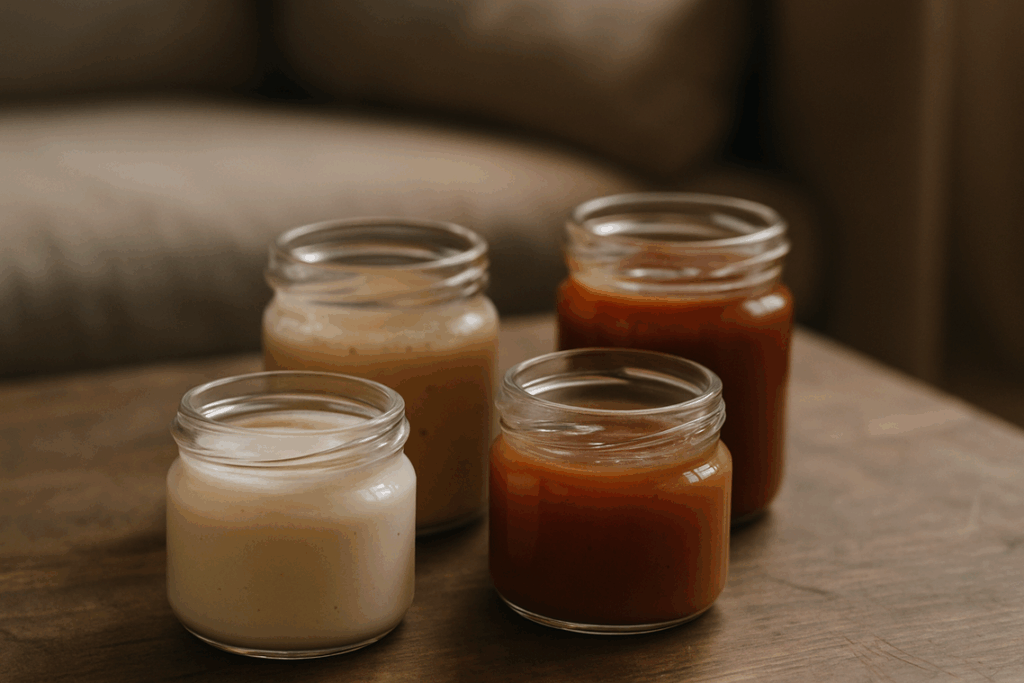
In French cuisine, there’s a delicious secret: nearly every great sauce traces back to one of five “mother sauces.” A mother sauce is a foundational preparation that acts like a culinary blueprint. From it, you create “daughter sauces”—variations built with added herbs, cheeses, reductions, or seasonings. Think of it as the cinematic universe of cooking (yes, Béchamel is basically the Meryl Streep of sauces—versatile and everywhere).
Here are the five pillars:
- Béchamel: A milk-based white sauce thickened with a white roux. Creamy, mild, and the backbone of mac and cheese.
- Velouté: Made with white stock (like chicken or fish) and a roux. Light, silky, and endlessly adaptable.
- Espagnole: A rich brown sauce built from brown stock, mirepoix, and brown roux. Deep, savory, and dramatic.
- Hollandaise: An emulsion (a stable mixture of two liquids that don’t normally combine) of egg yolks and butter. Luxurious but temperamental—like a diva with a whisk.
- Tomate: A tomato-based sauce simmered with aromatics, balancing acidity and sweetness.
At the heart of three of these is the roux—a cooked mixture of fat and flour used as a thickener and flavor builder. Cook it lightly for subtlety or darker for nuttier depth (pro tip: patience prevents lumps and panic).
Some argue modern cooking doesn’t need these old-school structures. Fair—but understanding them is like learning chords before improvising jazz. Mastering these gourmet sauce foundations that elevate any dish unlocks creativity rooted in classic French cooking techniques.
Delicate and Precise: Poaching and Steaming with Finesse
Poaching means gently cooking food in liquid held below a simmer (around 160–180°F), while steaming cooks with the vapor from boiling liquid. In other words, instead of aggressive bubbles, you get quiet heat that coaxes ingredients to tenderness. These moist-heat methods are ideal for fish, eggs, and tender vegetables because they preserve natural flavor and texture without added fat. Think silky salmon or a just-set poached egg (the culinary equivalent of handling fine china).
To elevate results, try a court-bouillon—an aromatic broth of wine, herbs, and vegetables—to subtly infuse flavor. Rooted in classic French cooking techniques, these methods may see renewed popularity as lighter dining trends grow—pure speculation, of course, but the shift already feels underway.
Bringing Timeless French Technique to Your Kitchen
I still remember the first time I tried searing chicken and panicked when brown bits stuck to the skillet. I thought I’d ruined dinner. In reality, I’d just created fond—those caramelized bits that form the base of a quick pan sauce. That small win changed everything.
Now, with classic French cooking techniques in your toolkit, intimidation gives way to control. Heat, time, and seasoning start to feel predictable (almost like learning kitchen choreography).
So this week, choose one method. Sear a chicken breast. Build a simple sauce. Confidence follows action.
Elevate Every Dish with Confidence and Flavor
You set out to master deeper flavor, smarter pairings, and techniques that actually transform your cooking. Now you understand how balancing texture, acidity, aroma, and timing—alongside classic French cooking techniques—can turn simple ingredients into unforgettable dishes.
The frustration of flat flavors or inconsistent results doesn’t have to follow you into your next meal. With the right combinations and a refined approach to preparation, you can create plates and pours that feel intentional, layered, and restaurant-worthy.
Now it’s time to act. Start experimenting with one new flavor pairing this week. Apply one foundational technique to elevate a familiar recipe. Taste as you go. Refine. Repeat.
If you’re ready to eliminate guesswork and create bold, balanced dishes every time, explore our expertly curated flavor guides and seasonal tasting insights. Join thousands of passionate food lovers who trust our proven pairing strategies to transform everyday cooking into gourmet experiences. Start crafting your next signature dish today.

 There is a specific skill involved in explaining something clearly — one that is completely separate from actually knowing the subject. Christopher Pitcheristic has both. They has spent years working with tasting tips and seasonal menus in a hands-on capacity, and an equal amount of time figuring out how to translate that experience into writing that people with different backgrounds can actually absorb and use.
Christopher tends to approach complex subjects — Tasting Tips and Seasonal Menus, Gourmet Techniques and Recipes, Culinary Pulse being good examples — by starting with what the reader already knows, then building outward from there rather than dropping them in the deep end. It sounds like a small thing. In practice it makes a significant difference in whether someone finishes the article or abandons it halfway through. They is also good at knowing when to stop — a surprisingly underrated skill. Some writers bury useful information under so many caveats and qualifications that the point disappears. Christopher knows where the point is and gets there without too many detours.
The practical effect of all this is that people who read Christopher's work tend to come away actually capable of doing something with it. Not just vaguely informed — actually capable. For a writer working in tasting tips and seasonal menus, that is probably the best possible outcome, and it's the standard Christopher holds they's own work to.
There is a specific skill involved in explaining something clearly — one that is completely separate from actually knowing the subject. Christopher Pitcheristic has both. They has spent years working with tasting tips and seasonal menus in a hands-on capacity, and an equal amount of time figuring out how to translate that experience into writing that people with different backgrounds can actually absorb and use.
Christopher tends to approach complex subjects — Tasting Tips and Seasonal Menus, Gourmet Techniques and Recipes, Culinary Pulse being good examples — by starting with what the reader already knows, then building outward from there rather than dropping them in the deep end. It sounds like a small thing. In practice it makes a significant difference in whether someone finishes the article or abandons it halfway through. They is also good at knowing when to stop — a surprisingly underrated skill. Some writers bury useful information under so many caveats and qualifications that the point disappears. Christopher knows where the point is and gets there without too many detours.
The practical effect of all this is that people who read Christopher's work tend to come away actually capable of doing something with it. Not just vaguely informed — actually capable. For a writer working in tasting tips and seasonal menus, that is probably the best possible outcome, and it's the standard Christopher holds they's own work to.