

If you’re searching for fresh inspiration to elevate your next gathering or refine your culinary repertoire, you’re in the right place. This article explores innovative flavor pairings, gourmet recipe ideas, and creative beverage fusion concepts designed to help you craft memorable dining experiences. Whether you’re experimenting in your home kitchen or curating a sophisticated spread, you’ll discover practical insights that turn seasonal ingredients into standout dishes and drinks.
We focus on seasonal tasting menu planning, showing you how to align flavors, textures, and beverages with the time of year for a cohesive and exciting table. Our guidance is grounded in hands-on recipe testing, culinary trend analysis, and proven pairing principles used by experienced chefs and mixologists.
By the end, you’ll have clear, actionable ideas to confidently combine ingredients, balance flavors, and design a menu that feels thoughtful, timely, and unforgettable.
Crafting a Menu That Moves with the Seasons
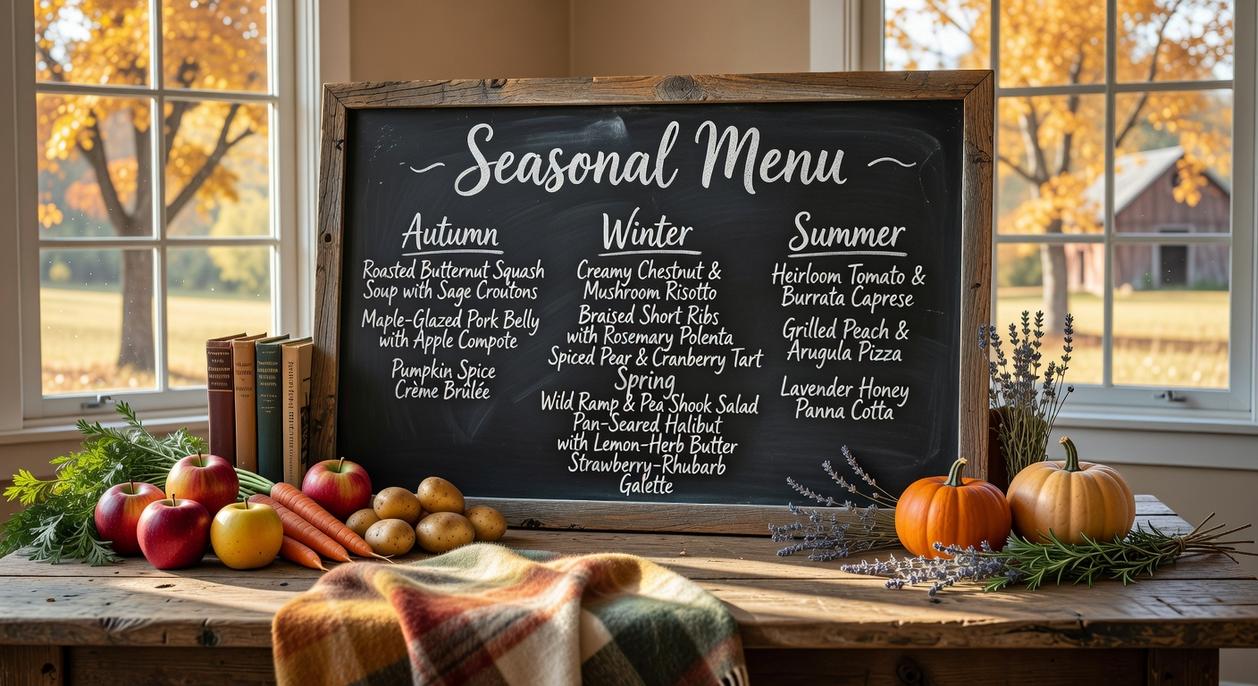
A static menu is a culinary tragedy (yes, I said it). Diners crave rhythm, surprise, and ingredients at their peak. When tomatoes taste like tomatoes and squash sings, magic happens. I believe seasonal tasting menu planning is the smartest way to fight diner fatigue.
Start by mapping produce calendars and anchoring dishes to signature flavors of each quarter. Some argue consistency builds loyalty, but I think predictable menus breed boredom (think reruns of a show you once loved). Source locally whenever possible and rotate five core dishes every season. Pro tip: keep one bestseller year-round while letting the rest evolve.
The Philosophy of Seasonal Cooking: More Than Just Freshness*
Seasonal cooking isn’t just about using what’s fresh; it’s about aligning your menu with how people feel. In summer, diners crave light, citrusy salads and chilled soups (think of how a Caprese just hits differently in July). In winter, they want braised meats and root vegetables that feel like a warm blanket. This is diner psychology—the study of how mood and environment influence food choices. Build menus that mirror the weather, and you’ll naturally increase satisfaction.
Here’s how to apply it:
- Audit produce lists monthly and highlight what’s in peak harvest.
- Design dishes around one hero ingredient at its flavor peak.
- Use seasonal tasting menu planning to rotate themes every quarter.
Peak-season ingredients deliver superior taste, color, and texture because they’re harvested at optimal ripeness (USDA confirms peak harvest improves flavor density). A January tomato shipped across continents simply can’t compete.
There’s an economic upside, too. Buying locally in-season often reduces transportation costs and spoilage. Pro tip: build standing orders with nearby farms to lock in pricing and priority access.
Finally, treat your menu as a story. Every season is a new chapter—new flavors, new pairings, new reasons to return. (After all, no one rereads the same menu forever.)
Your Four-Season Flavor Blueprint
Cooking with the seasons isn’t just romantic farm-to-table talk. It’s a practical strategy built on peak flavor, better texture, and often stronger nutritional value (produce harvested in season tends to retain more nutrients, according to the USDA). If you’ve ever wondered why a January tomato tastes like cardboard, that’s your first clue.
Let’s break it down simply.
Spring – A Taste of Renewal
Spring flavors are bright, herbaceous, and delicate. Herbaceous means fresh and green—think dill, mint, and tender peas. Ingredients like asparagus, morels, rhubarb, and lamb shine because they’re naturally at their best.
A pan-seared halibut with lemon-dill sauce and spring pea risotto works because acidity (lemon) balances richness (butter and fish). Pair it with a crisp Sauvignon Blanc; high-acid wines complement green flavors beautifully. If you’re new to pairing, reviewing wine and food pairing basics for beginners helps demystify the logic.
Some argue you can cook anything year-round thanks to global shipping. True—but flavor depth often suffers (and your taste buds will notice).
Summer – Vibrant & Sun-Kissed Dishes
Summer is about smoky, sweet, and tangy notes. Grilling creates the Maillard reaction—the browning process that produces complex savory flavor. Tomatoes, corn, berries, and basil thrive in heat.
Grilled flank steak with chimichurri and a tomato-corn salad captures contrast: charred meat meets acidic herbs. A chilled rosé mirrors the brightness without overpowering it.
Autumn – Earthy & Aromatic Comfort
Autumn flavors turn robust and spiced. “Earthy” refers to deep, grounding notes found in mushrooms and root vegetables. Roasted pork loin with apple-cider glaze pairs sweetness with savory fat (a classic balance seen in cuisines worldwide).
Winter – Rich & Hearty Fare
Winter calls for braising—slow cooking in liquid to tenderize tougher cuts. Short ribs in red wine over polenta deliver layered, complex flavor. Add a Cabernet or hot toddy for warmth.
Ultimately, seasonal tasting menu planning simplifies decisions: cook what thrives now, pair thoughtfully, and let nature set the rhythm (it’s the original culinary calendar).
From Concept to Plate: A Practical Implementation Guide
Step 1: The Inspiration Phase
First and foremost, inspiration should feel tactile. Visit farmers’ markets, talk to growers, taste ingredients at peak ripeness (yes, even that oddly shaped tomato). I’m convinced the best ideas start with what’s fresh and local rather than what’s trending on Instagram. That said, scanning international culinary reports can spark unexpected fusions—think miso caramel apples or harissa honey carrots. Balance curiosity with practicality.
Step 2: Design & Testing
Next, develop 3–5 dishes per season. In my experience, fewer options sharpen creativity. Run small-batch tastings with staff and gather blunt feedback on flavor, plating, and execution speed. If a dish can’t survive a Friday-night rush, it doesn’t belong on the menu (no matter how pretty it looks).
Step 3: Sourcing & Costing
Then, confirm supply and pricing. A simple costing formula I swear by:
| Item Cost | ÷ Target Food Cost % | = Menu Price |
|---|---|---|
| $4.00 | ÷ 0.30 |
= $13.33 |
This keeps creativity profitable—essential for seasonal tasting menu planning.
Step 4: Launch & Promotion
Finally, train front-of-house teams thoroughly. They should describe flavors and pairings effortlessly. Meanwhile, build anticipation on social media with behind-the-scenes previews. A strong launch turns curiosity into reservations.
Completing the Experience with Seasonal Sips
Great menus don’t stop at the plate. Beverage fusion—aligning drinks with seasonal flavors—creates harmony guests remember. Think rhubarb-infused gin in spring, smoky mezcal cocktails in summer, mulled cider in autumn, and spiced rum in winter. The goal is balance (bright with bright, rich with rich).
| Season | Signature Sip |
|---|---|
| Spring | Rhubarb Gin |
| Summer | Smoky Mezcal |
| Autumn | Mulled Cider |
| Winter | Spiced Rum |
Non-alcoholic pairings matter more than ever: shrubs, infused waters, artisanal sodas. What’s next? Build beverage strategy into seasonal tasting menu planning and train staff to suggest pairings confidently.
Keeping Your Menu Fresh and Profitable
You now have the blueprint to move beyond a static lineup and embrace a dynamic, seasonal approach that truly captivates diners. In my opinion, nothing feels more tired than a menu that never changes (guests notice, even if they don’t say it).
By rotating dishes, you solve the biggest pain point: boredom. Limited-time items create built-in scarcity and excitement, giving people a reason to return and see what’s new.
Start small:
• Identify three peak-season ingredients in your region
• Create one new dish and one beverage feature
Use seasonal tasting menu planning to keep ideas focused, profitable, and refreshingly bold.
Elevate Every Sip and Bite with Confidence
You came here looking for inspiration that goes beyond ordinary recipes and drink pairings—and now you have a clear path to creating unforgettable flavor experiences. From thoughtful pairings to creative beverage fusion ideas, you’re equipped to craft moments that feel intentional, balanced, and exciting.
If you’ve ever struggled with bland menus, mismatched flavors, or hosting stress, you know how frustrating it can be when a dish or drink doesn’t quite land. The difference between average and exceptional often comes down to planning with purpose—especially when it comes to seasonal tasting menu planning that captures freshness, harmony, and surprise in every course.
Now it’s time to take action. Start by selecting one seasonal ingredient, build a complementary drink around it, and design a mini tasting experience that highlights contrast and balance. Small, deliberate steps create standout results.
Ready to transform your next gathering from predictable to unforgettable? Discover why we’re a top-rated source for creative flavor pairings and inspired beverage concepts—explore more ideas now and start crafting menus your guests will rave about.

 There is a specific skill involved in explaining something clearly — one that is completely separate from actually knowing the subject. Syrelia Veyland has both. They has spent years working with gourmet techniques and recipes in a hands-on capacity, and an equal amount of time figuring out how to translate that experience into writing that people with different backgrounds can actually absorb and use.
Syrelia tends to approach complex subjects — Gourmet Techniques and Recipes, Tasting Tips and Seasonal Menus, Jalbite Beverage Fusion Concepts being good examples — by starting with what the reader already knows, then building outward from there rather than dropping them in the deep end. It sounds like a small thing. In practice it makes a significant difference in whether someone finishes the article or abandons it halfway through. They is also good at knowing when to stop — a surprisingly underrated skill. Some writers bury useful information under so many caveats and qualifications that the point disappears. Syrelia knows where the point is and gets there without too many detours.
The practical effect of all this is that people who read Syrelia's work tend to come away actually capable of doing something with it. Not just vaguely informed — actually capable. For a writer working in gourmet techniques and recipes, that is probably the best possible outcome, and it's the standard Syrelia holds they's own work to.
There is a specific skill involved in explaining something clearly — one that is completely separate from actually knowing the subject. Syrelia Veyland has both. They has spent years working with gourmet techniques and recipes in a hands-on capacity, and an equal amount of time figuring out how to translate that experience into writing that people with different backgrounds can actually absorb and use.
Syrelia tends to approach complex subjects — Gourmet Techniques and Recipes, Tasting Tips and Seasonal Menus, Jalbite Beverage Fusion Concepts being good examples — by starting with what the reader already knows, then building outward from there rather than dropping them in the deep end. It sounds like a small thing. In practice it makes a significant difference in whether someone finishes the article or abandons it halfway through. They is also good at knowing when to stop — a surprisingly underrated skill. Some writers bury useful information under so many caveats and qualifications that the point disappears. Syrelia knows where the point is and gets there without too many detours.
The practical effect of all this is that people who read Syrelia's work tend to come away actually capable of doing something with it. Not just vaguely informed — actually capable. For a writer working in gourmet techniques and recipes, that is probably the best possible outcome, and it's the standard Syrelia holds they's own work to.