
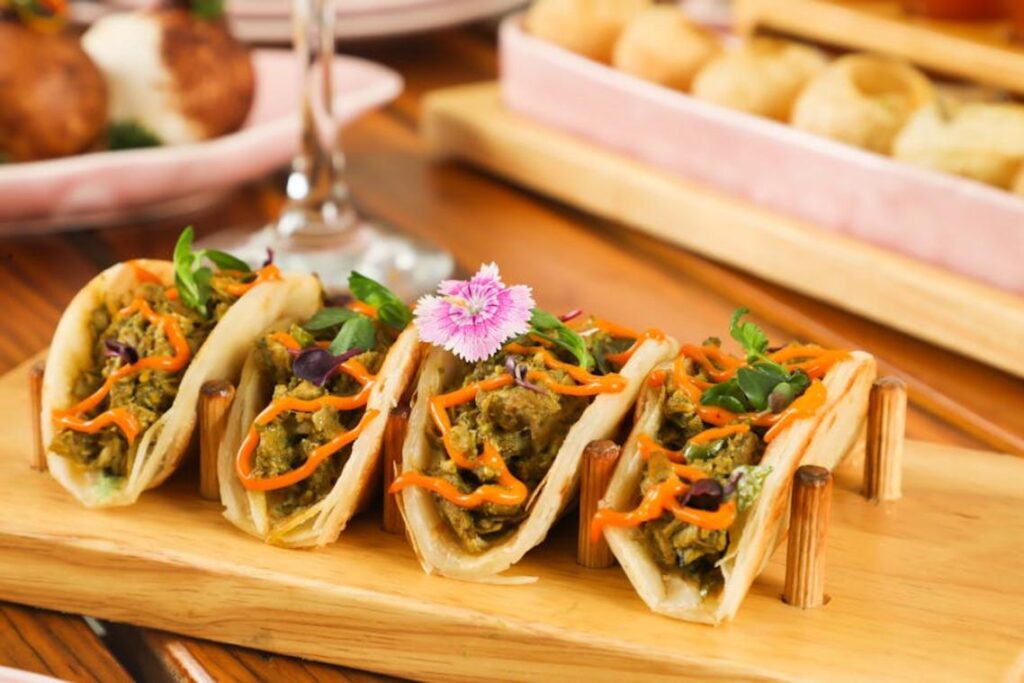
Curious about how street food in modern gastronomy has evolved from humble roadside bites to Michelin-starred inspiration? This article explores how global street flavors are reshaping fine dining, influencing chef-driven menus, and redefining what elevated cuisine looks like today. Whether you’re a passionate home cook, a culinary traveler, or a food industry professional, you’ll discover how traditional techniques, bold seasonings, and cultural authenticity are being reimagined in contemporary kitchens.
We break down the flavor pairings, preparation methods, and presentation styles that bridge casual street fare with refined gastronomy. Drawing on culinary trend reports, chef interviews, and global food research, this guide offers grounded insights rather than passing hype. You’ll gain a clear understanding of why street-inspired dishes resonate with modern diners and how this movement continues to shape seasonal menus, tasting experiences, and beverage pairings around the world.
Street food began as necessity: quick, affordable bites for workers rushing between shifts. Over time, however, migration, tourism, and social media turned curbside stalls into global flavor laboratories. Tacos met kimchi; bao embraced fried chicken. Consequently, chefs started borrowing techniques once dismissed as “too casual,” elevating them with premium ingredients and plating.
If you want to taste this evolution, skip chain restaurants and seek vendors experimenting with fusion menus. Notice balance—acid, heat, crunch—because that harmony defines street food in modern gastronomy. Try pairing bold dishes with bright craft sodas (trust me, it works). In short, follow the crowds—and your curiosity.
The Gourmet Shift: When Chefs Hit the Streets
Beyond the Hot Dog Cart
Not long ago, street fare meant quick, cheap, and predictable. Hot dogs, pretzels, maybe a taco if you were lucky. However, something changed when trained chefs began trading white tablecloths for food truck windows. They brought ambition with them. Suddenly, curbside menus featured Korean short rib tacos, truffle fries, and hand-rolled dumplings. This evolution reshaped street food in modern gastronomy, proving that convenience and culinary artistry can share the same paper tray. For customers, the benefit is clear: restaurant-level creativity without the reservation wait (or the intimidating bill).
Ingredient Integrity
At the same time, quality took center stage. Ingredient integrity—meaning a commitment to fresh, local, and responsibly sourced products—became a defining trait of top-tier vendors. Instead of freezer-to-fryer shortcuts, chefs highlight grass-fed beef, farmers’ market produce, and small-batch cheeses. Skeptics argue that most diners can’t taste the difference. Yet studies show freshness significantly impacts flavor perception and satisfaction (Journal of Food Science, 2014). In other words, better ingredients genuinely taste better. For you, that means fuller flavor and the feel-good bonus of supporting local producers.
Technique on Wheels
Of course, premium ingredients are only half the story. Techniques once confined to fine dining—sous-vide (precision low-temperature cooking), emulsified sauces, fresh extruded pasta—now thrive in compact kitchens on wheels. Adapting these methods requires clever engineering and tight workflows, but the payoff is consistency and depth of flavor. You get expertly cooked meals served in minutes.
Case Study: The Farm-to-Truck Effect
Consider a hypothetical “farm-to-truck” concept sourcing exclusively within a 50-mile radius. Initially, customers might doubt its practicality. Yet transparency boards listing partner farms and seasonal menus quickly build trust. As a result, diners begin expecting traceability and seasonality everywhere. The advantage? Elevated standards, better meals, and a street-side experience that rivals brick-and-mortar dining.
Global Fusion: The World’s Flavors on a Single Block

The Melting Pot Effect
Ever walked down a city block craving one thing, only to be overwhelmed by ten? That’s the beauty—and occasional frustration—of street food today. It has become the beating heart of street food in modern gastronomy, where culinary traditions collide in the best possible way. No white tablecloths. No gatekeeping. Just bold flavor experiments served in paper trays.
Street vendors move faster than fine-dining kitchens. They test, tweak, and reinvent on the fly (sometimes overnight). That agility makes them the ultimate fusion pioneers.
Breaking Down Borders
Consider crowd favorites:
• Kimchi-topped fries blending Korean fermentation with American comfort food
• Tandoori chicken tacos marrying Indian spice with Mexican street staples
• Shawarma burritos wrapping Middle Eastern rotisserie into a handheld classic
These dishes succeed because they solve a common pain point: we’re tired of bland mashups that feel forced. No one wants a gimmick. We want flavor that makes sense.
Authenticity vs. Innovation
Here’s the tension: purists argue fusion dilutes tradition. And yes, poorly executed mashups can feel like culinary clickbait. But thoughtful vendors respect foundational techniques—slow-roasting, fermenting, spice layering—before adding a twist. Innovation doesn’t erase heritage; it builds on it.
Flavor Pairing Deep Dive
Successful fusion hinges on balance:
• Sweet cools heat
• Acid brightens fat
• Salt enhances depth
• Umami anchors everything
Kimchi works on fries because acidity cuts grease and chili heat adds excitement. It’s chemistry, not chaos.
For more insights into evolving menus, see emerging plant based innovations changing menus everywhere.
When fusion works, it feels inevitable—not trendy. And that’s the difference between a fad and a flavor revolution.
The Perfect Sip: Elevating Street Food with Strategic Beverage Pairings
Street food has evolved far beyond quick bites and canned soda. In fact, street food in modern gastronomy now rivals restaurant tasting menus in creativity and balance. But what exactly is beverage pairing? Simply put, it’s the intentional matching of a drink with a dish to either complement (enhance similar flavors) or contrast (balance opposing flavors) in a way that improves both.
Complement and Contrast Made Simple
If a taco brings serious heat, a cooling, slightly sweet drink—like a mango agua fresca—can soften the spice. That’s contrast. Pairing a smoky barbecue skewer with a smoked black tea? That’s complement, because similar flavor notes amplify each other (like turning the volume up on the same song).
• BALANCE MATTERS
Some argue great street food stands alone and doesn’t need a “fancy” drink. Fair. A crispy samosa is delicious on its own. But the right sip can highlight hidden spices or cleanse the palate between bites, making each mouthful feel new.
The rise of craft beverages—house-made lemonades, artisanal iced teas, zero-proof mocktails—proves vendors see drinks as part of the experience, not an afterthought.
Seasonal sips matter too. A winter spiced cider alongside roasted corn, or a summer basil lemonade with grilled seafood, creates cohesion. Shared seasonal ingredients tie flavors together, making the pairing feel intentional, not accidental.
Digital menus are no longer a novelty; they’re the engine behind discovery. Thanks to the Instagram Effect—where visually striking dishes spread rapidly through shares and reels—vendors can transform a single taco into a citywide obsession (think Cronut-level hype). Still, skeptics argue social buzz is fleeting. Fair point. Yet when paired with smart POS systems, online ordering, and delivery integrations, hype converts to steady revenue.
Meanwhile, location-tracking apps answer the obvious next question: where do I find it? As street food in modern gastronomy evolves, expect AI recommendations and dynamic pricing to follow. What will vendors automate next? Data will decide.
Taste the Trend: Your Guide to Modern Street Cuisine
First, let’s be honest: I think the best meals today aren’t hiding behind white tablecloths. Instead, they’re sizzling at curbside. The rise of street food in modern gastronomy proves that culinary ambition no longer requires a reservation.
So, why does this matter? Because:
- Chefs experiment boldly with global fusion (think kimchi tacos).
- Beverage pairings are thoughtful, not an afterthought.
- Technique rivals fine dining.
Of course, some argue it’s just hype. I disagree. When passion meets accessibility, everyone wins. Next time, explore locally—and taste with curiosity and open-mindedness always.
Elevate Every Bite and Sip
You came here looking to understand how street food in modern gastronomy is reshaping the way we experience flavor—and now you have the full picture. From bold fusion pairings to elevated plating and seasonal beverage matches, you’ve seen how humble classics can transform into unforgettable culinary moments.
The real challenge isn’t finding inspiration. It’s knowing how to combine flavors confidently without ending up with flat, predictable results. When your dishes or drinks lack balance, depth, or creativity, the entire experience falls short.
That’s your opportunity.
Start experimenting with unexpected pairings, play with texture contrasts, and match your creations with beverages that amplify every note. Explore curated recipes, flavor-forward guides, and tasting strategies designed to help you craft dishes that stand out.
If you’re ready to turn everyday bites into gourmet-level experiences, dive into our expertly crafted insights and start creating combinations that wow. Join thousands of flavor enthusiasts who trust our guidance—discover new pairings today and transform your next plate or pour into something extraordinary.

 There is a specific skill involved in explaining something clearly — one that is completely separate from actually knowing the subject. Christopher Pitcheristic has both. They has spent years working with tasting tips and seasonal menus in a hands-on capacity, and an equal amount of time figuring out how to translate that experience into writing that people with different backgrounds can actually absorb and use.
Christopher tends to approach complex subjects — Tasting Tips and Seasonal Menus, Gourmet Techniques and Recipes, Culinary Pulse being good examples — by starting with what the reader already knows, then building outward from there rather than dropping them in the deep end. It sounds like a small thing. In practice it makes a significant difference in whether someone finishes the article or abandons it halfway through. They is also good at knowing when to stop — a surprisingly underrated skill. Some writers bury useful information under so many caveats and qualifications that the point disappears. Christopher knows where the point is and gets there without too many detours.
The practical effect of all this is that people who read Christopher's work tend to come away actually capable of doing something with it. Not just vaguely informed — actually capable. For a writer working in tasting tips and seasonal menus, that is probably the best possible outcome, and it's the standard Christopher holds they's own work to.
There is a specific skill involved in explaining something clearly — one that is completely separate from actually knowing the subject. Christopher Pitcheristic has both. They has spent years working with tasting tips and seasonal menus in a hands-on capacity, and an equal amount of time figuring out how to translate that experience into writing that people with different backgrounds can actually absorb and use.
Christopher tends to approach complex subjects — Tasting Tips and Seasonal Menus, Gourmet Techniques and Recipes, Culinary Pulse being good examples — by starting with what the reader already knows, then building outward from there rather than dropping them in the deep end. It sounds like a small thing. In practice it makes a significant difference in whether someone finishes the article or abandons it halfway through. They is also good at knowing when to stop — a surprisingly underrated skill. Some writers bury useful information under so many caveats and qualifications that the point disappears. Christopher knows where the point is and gets there without too many detours.
The practical effect of all this is that people who read Christopher's work tend to come away actually capable of doing something with it. Not just vaguely informed — actually capable. For a writer working in tasting tips and seasonal menus, that is probably the best possible outcome, and it's the standard Christopher holds they's own work to.