
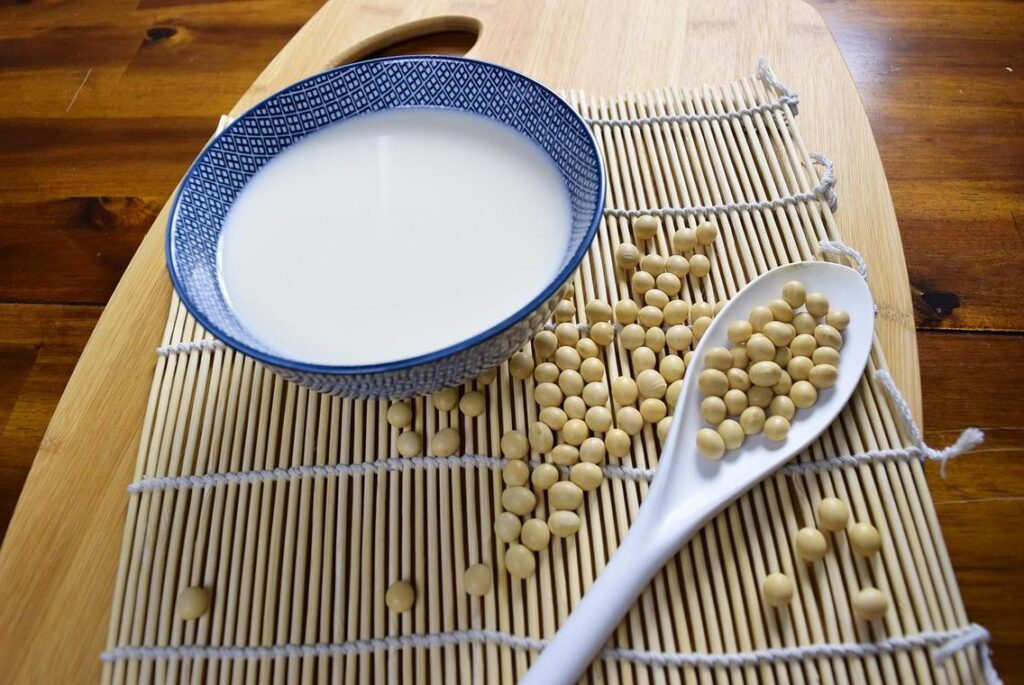
Plant-based dining has moved well beyond the standard veggie burger, yet too many menus still rely on predictable swaps and safe options. Today’s guests crave creativity, bold flavor layering, and memorable textures—not just substitutions. This guide explores plant-based menu innovations that elevate your offerings from routine to remarkable, using global inspiration, advanced techniques, and unexpected ingredient pairings. Drawing on deep culinary trend analysis and hands-on flavor development expertise, we’ll share chef-driven concepts designed to spark excitement and loyalty. By the end, you’ll have practical, inventive ideas to craft a plant-based menu that feels original, dynamic, and truly unforgettable.
Mastering Flavor: The Science of Umami and Texture
The Umami Foundation
Umami—often called the fifth taste—is the savory depth created by glutamates, naturally occurring amino acids found in foods like mushrooms and seaweed (Ikeda, 1908). While salt sharpens flavor, umami builds satisfaction. Think of it as the difference between a flat acoustic demo and a fully produced track—same song, richer experience.
In plant-based cooking, umami prevents dishes from tasting thin or one-note. A lentil stew without it can feel bland; add depth, and it becomes craveable.
Innovative Umami Sources
Here are practical ways to layer it in:
- Kombu broth: Simmer a 4-inch strip of kombu in water for 10 minutes (don’t boil; it turns bitter). Use as a base for soups or pan sauces.
- Shiitake mushroom powder: Blitz dried shiitakes into powder and sprinkle over roasted vegetables like a finishing salt.
- Nutritional yeast: Stir into cashew cream or popcorn for a cheesy, nutty boost.
Pro tip: Combine two sources—like kombu and shiitake—for synergistic depth.
Creating Textural Contrast
Flavor matters, but texture keeps bites interesting. Avoid the “all soft” trap with these techniques:
- Flash-fry kale in hot oil for 30 seconds for crisp shards.
- Press tofu for 20 minutes, then sear until a golden crust forms.
- Toss salads with puffed quinoa or amaranth for airy crunch.
These small shifts elevate everyday dishes into true plant-based menu innovations—where taste and texture work together, not against each other.
Harnessing Fermentation: From Kimchi to Miso
Fermentation isn’t new—humans have relied on it for over 9,000 years to preserve food and deepen flavor (Sandor Katz, The Art of Fermentation). Yet in the past decade, especially since the gut-health boom of the early 2010s, it’s taken center stage for a different reason: probiotics. Probiotics are beneficial live microorganisms that support digestive balance. Beyond health, fermentation creates complex acids and glutamates (natural compounds responsible for umami, or savory depth) that are nearly impossible to fake.
Some critics argue fermented foods are trendy or too pungent for everyday cooking. Fair. Not everyone wants their kitchen smelling like a bubbling crock. However, when used strategically, fermented ingredients add subtle brightness rather than overpowering funk.
Take kimchi and gochujang. Instead of serving kimchi straight from the jar, whisk its brine into a vinaigrette after a quick chill overnight—it adds acidity with backbone. Or blend gochujang (a fermented chili paste) into a creamy cashew sauce for pasta or roasted vegetables. It’s bold but balanced (think comfort food with a K-drama twist).
Meanwhile, miso makes a sweet-savory glaze for roasted eggplant or carrots in under 30 minutes. Tempeh—fermented soybeans bound into a cake—benefits from a 24-hour marinade before pan-frying to crispy perfection.
These techniques are driving plant-based menu innovations, proving fermentation isn’t a fad. It’s flavor evolution, patiently perfected over time.
Exploring Uncharted Proteins: Jackfruit, Mycoprotein, and More

Let’s be honest—there’s only so much tofu one person can take. Even the most loyal plant-based eater eventually stares at another beige block and sighs (again?). Thankfully, moving past tofu opens the door to textures and flavors that feel genuinely exciting.
-
Young Green Jackfruit
Young green jackfruit is harvested before ripening, which gives it a neutral flavor and a fibrous, meat-like texture. When shredded and sautéed with smoked paprika, cumin, and chili powder, it transforms into smoky “pulled” jackfruit tacos that rival classic barbecue. The strands soak up seasoning beautifully—no bland bites. -
Mycoprotein (Fungi-Based)
Mycoprotein is a protein derived from fermented fungi, known for its dense, savory bite. Some argue it’s too processed to be “natural.” However, fermentation is a traditional food technique (think yogurt or kimchi). It shines in plant-based cutlets or slow-simmered stews where its hearty structure holds firm. -
Banana Blossom
Banana blossom has delicate, flaky layers that mimic white fish. Battered and fried, it makes convincing plant-based “fish” and chips—crispy outside, tender inside.
As plant-based menu innovations expand, these ingredients solve a common frustration: texture fatigue. For more culinary perspective, explore behind the scenes a day in the life of a professional chef. Sometimes, the secret isn’t replacing meat—it’s rethinking it entirely.
Liquid Alchemy: Elevating Dishes with Beverage Fusion
The final touch of a memorable meal often isn’t on the plate—it’s in the glass. Thoughtful beverage pairings and infusions can amplify aroma, balance richness, and refresh the palate between bites (yes, even more effectively than that obligatory lemon wedge).
Savory Infusions offer an easy entry point. Steep lapsang souchong, a smoked black tea known for its campfire-like aroma, into olive oil or tamari for a mushroom marinade. The tea’s phenolic compounds create deep smokiness without bacon or liquid smoke—ideal for plant-based menu innovations. Non-alcoholic spirits infused with botanicals can also tenderize tofu or jackfruit while layering herbal complexity.
House-Made Shrubs and Syrups solve the “too sweet” drink dilemma. A shrub is a drinking vinegar made by macerating fruit with sugar and vinegar; the acidity brightens flavors and acts as a palate cleanser. Try raspberry-thyme with sparkling water, or peach-ginger to cut through fried appetizers.
For Pairing with Purpose, consider:
- Spicy ginger kombucha with coconut curry to offset fat.
- Cold-brewed hibiscus tea alongside citrus salads for tart harmony.
Pro tip: Brew teas slightly stronger for cooking than sipping to prevent flavors from disappearing in heat. Balance is everything in fusion cooking.
Your New Plant-Based Playbook
You came here to move beyond predictable dishes, and now you have the tools to create bold, memorable plant-based menu innovations. By focusing on technique—like umami-rich miso glazes or bright, layered fruit shrubs—you unlock flavors that make plants the star, not the substitute.
If you’re tired of serving the same safe options, it’s time to experiment. Start with one new technique this week and taste the difference. Join thousands of flavor-forward creators elevating their menus—try it today and turn simple ingredients into signature dishes.

 There is a specific skill involved in explaining something clearly — one that is completely separate from actually knowing the subject. Christopher Pitcheristic has both. They has spent years working with tasting tips and seasonal menus in a hands-on capacity, and an equal amount of time figuring out how to translate that experience into writing that people with different backgrounds can actually absorb and use.
Christopher tends to approach complex subjects — Tasting Tips and Seasonal Menus, Gourmet Techniques and Recipes, Culinary Pulse being good examples — by starting with what the reader already knows, then building outward from there rather than dropping them in the deep end. It sounds like a small thing. In practice it makes a significant difference in whether someone finishes the article or abandons it halfway through. They is also good at knowing when to stop — a surprisingly underrated skill. Some writers bury useful information under so many caveats and qualifications that the point disappears. Christopher knows where the point is and gets there without too many detours.
The practical effect of all this is that people who read Christopher's work tend to come away actually capable of doing something with it. Not just vaguely informed — actually capable. For a writer working in tasting tips and seasonal menus, that is probably the best possible outcome, and it's the standard Christopher holds they's own work to.
There is a specific skill involved in explaining something clearly — one that is completely separate from actually knowing the subject. Christopher Pitcheristic has both. They has spent years working with tasting tips and seasonal menus in a hands-on capacity, and an equal amount of time figuring out how to translate that experience into writing that people with different backgrounds can actually absorb and use.
Christopher tends to approach complex subjects — Tasting Tips and Seasonal Menus, Gourmet Techniques and Recipes, Culinary Pulse being good examples — by starting with what the reader already knows, then building outward from there rather than dropping them in the deep end. It sounds like a small thing. In practice it makes a significant difference in whether someone finishes the article or abandons it halfway through. They is also good at knowing when to stop — a surprisingly underrated skill. Some writers bury useful information under so many caveats and qualifications that the point disappears. Christopher knows where the point is and gets there without too many detours.
The practical effect of all this is that people who read Christopher's work tend to come away actually capable of doing something with it. Not just vaguely informed — actually capable. For a writer working in tasting tips and seasonal menus, that is probably the best possible outcome, and it's the standard Christopher holds they's own work to.