
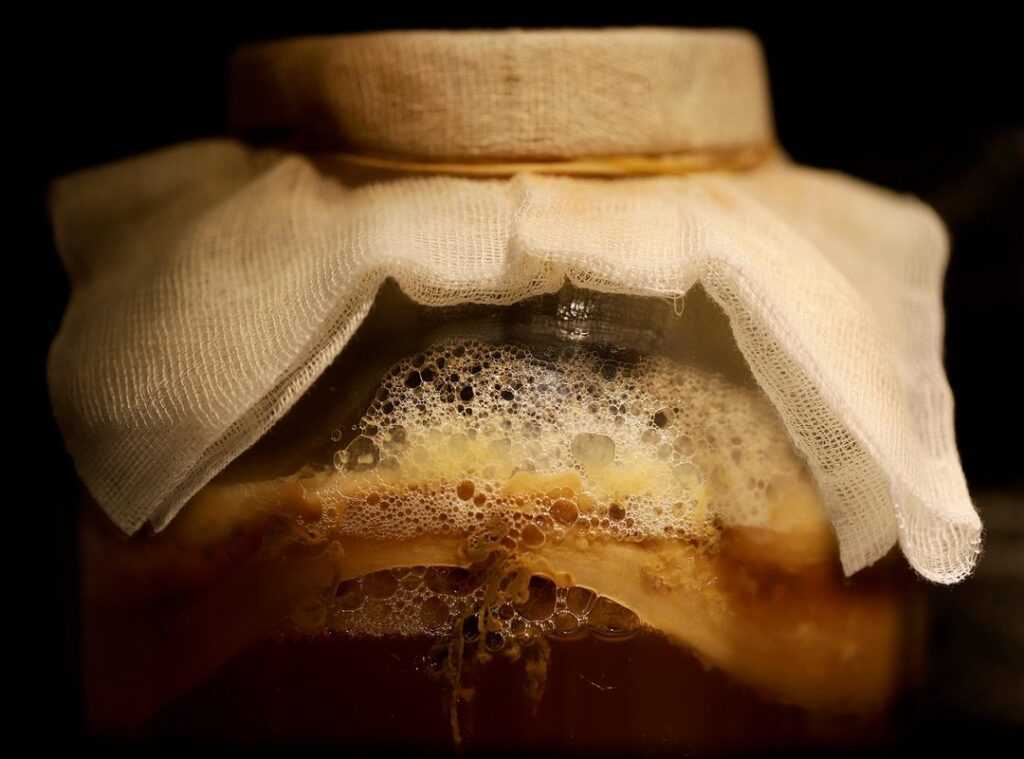
Ever wondered why a simple cabbage can turn into something as tangy and complex as sauerkraut? Or how milk morphs into creamy yogurt right at home? You’re not alone.
Many are curious about fermentation but stop short, scared off by the science and strange smells. Here’s where I come in. This guide will walk you through fermentation basics beginners need, focusing on creating amazing flavors and textures from the ordinary.
I know the hesitation. I’ve spent years experimenting in my kitchen, unlocking flavors from the simplest ingredients. Trust me.
We’ll demystify the process step-by-step, no PhD required. By the end, you’ll have the confidence and know-how to start your first fermentation project today. So, are you ready to transform your kitchen into a fermentation lab?
Let’s dive in.
What is Fermentation, Really? (It’s Simpler Than You Think)
Fermentation is like letting friendly microbes do the cooking for you. Sounds weird? Not really.
It’s just bacteria and yeast transforming food into something new. Imagine these microbes as tiny chefs pre-digesting your food, creating flavors you didn’t even know existed.
Let’s talk about the two main types of fermentation that beginners should know: lactic acid fermentation and yeast fermentation. Lactic acid fermentation is where the magic happens with sauerkraut, kimchi, and yogurt. It takes something crunchy and bland and turns it into tangy and effervescent.
Yeast fermentation, on the other hand, gives us bread and beer (and who doesn’t love that?).
This process isn’t some modern fad. It’s ancient, a natural way humans have preserved food for thousands of years. And it’s not just about keeping food from spoiling.
It’s about flavor. It takes something sharp and raw and makes it mellow and deep.
Curious how to start? Check out cooking exotic ingredients easy. You’ll find it’s simpler than you think.
Fermentation basics beginners need to dive into this culinary world. It’s like discovering a secret recipe passed down through generations.
Beyond the Mason Jar: Fermentation Will Change Your Food Game
Fermentation basics for beginners isn’t just about keeping food from going bad. What if I told you it could revolutionize your kitchen? Let’s start with flavor.
Ever felt like your meals need a kick? fermentation shines. Picture this: a sandwich, pretty standard stuff, but add a spoonful of homemade sauerkraut and bam. It’s next-level.
Fermentation creates umami and sour notes that transform dishes. It’s like the magic behind miso’s savory depth or kimchi’s zing. And cooking alone can’t touch that.
Fermented carrots aren’t just carrots anymore. Turn them into a gourmet side dish, no Michelin star required. You’re not just cooking; you’re crafting flavors.
Now, health. I’m not making big medical promises here, but there’s something to these “living foods.” Probiotics and gut health. You’ve heard the buzz.
Fermented foods support your digestion and keep things moving. They’re alive (literally.)
Cultures have known this for centuries (looking at you, yogurt-loving Greek grandmas).
Fermentation is all about culinary creativity. It births flavors that you simply can’t get from conventional cooking. It’s a technique, not a trend.
A tool, not just a pastime. Remember how Walter White in “Breaking Bad” took chemistry to new heights? You’re doing that, but with food.
In the end, fermentation basics for beginners opens a world of flavor exploration. It’s where science meets artistry in the kitchen, without a lab coat. So grab that mason jar, not for what it was made for, but for what it can become.
Your First Ferment: Crunchy, Tangy Sauerkraut
Sauerkraut is the perfect introduction to fermentation. Why? It’s simple.
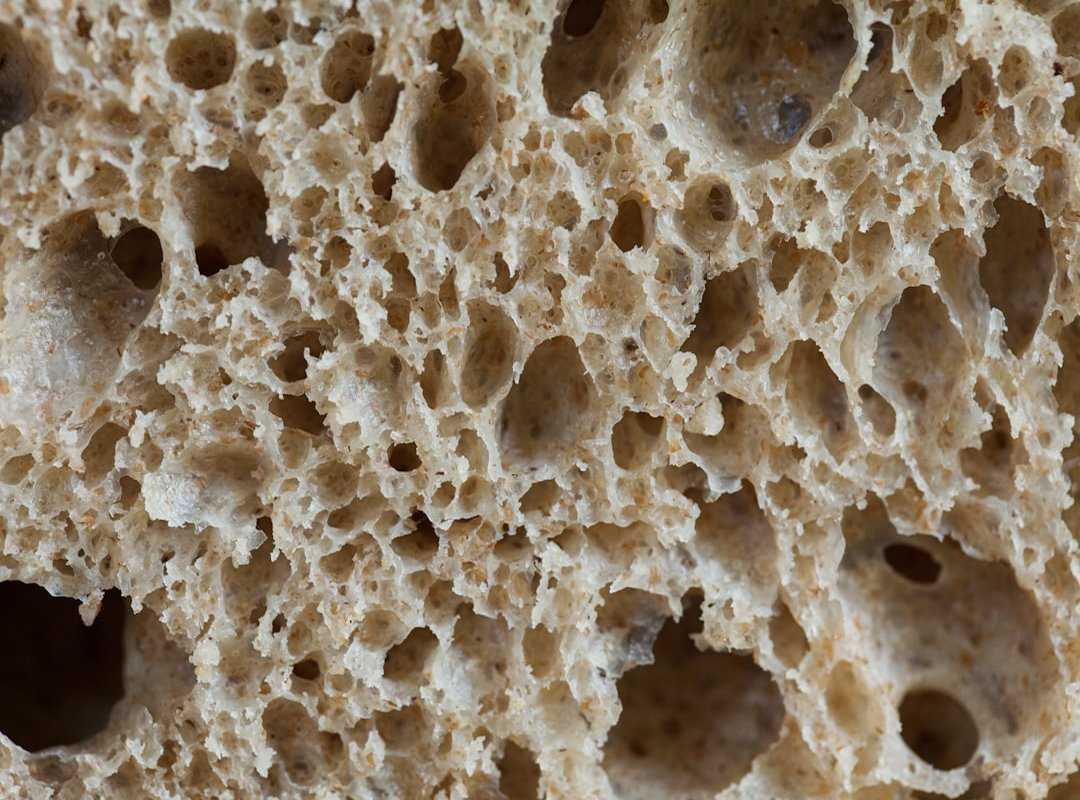
Just cabbage and salt. That’s all you need to dive into the world of fermentation basics beginners like us are eager to explore. The equipment list is short too: a glass jar, a knife or mandoline, a large bowl, and a fermentation weight.
If you don’t have a weight, a smaller jar or a ziplock bag filled with water works just as well.
Let’s get started. First, shred the cabbage. The thickness of your slices will decide the crunch.
Thin slices soften quickly, while thicker ones give a satisfying bite. Now, the magic begins. Salt and massage the cabbage.
Feel the texture as the cabbage releases its water, becoming limp and pliable. This is where the science kicks in. Salt draws out the moisture, creating a natural brine.
Next, pack the cabbage into the jar. This step is key. Air pockets are your enemy here.
Press down firmly and watch the brine rise above the cabbage. It’s like watching a slow-motion science experiment unfold in your kitchen. Weigh it down.
The cabbage must stay submerged under the brine. This keeps mold at bay and ensures your sauerkraut ferments properly.
Now, the waiting game. Place your jar in a cool, dark place. Wait and watch as the magic happens.
Listen for the gentle bubbling (a) sign of active fermentation. The brine might cloud, which is a good thing. It means the bacteria are doing their job.
This process can take anywhere from one to four weeks, depending on your preference for tanginess.
Want to get fancy? Try adding caraway seeds, juniper berries, or even sliced apples for a gourmet twist. These additions can raise your kraut to something you’d find in a top-notch deli.
If you’re into crafting unique flavors, check out how to create your own signature cocktail. Pairing your homemade sauerkraut with a custom drink can offer a delightful experience.
There it is. Your first batch of sauerkraut. You’ve just taken your first step into the world of fermentation.
It’s a simple yet rewarding process. And trust me, once you start, you’ll want to ferment everything.
Fermentation Basics: Keep It Safe, Keep It Simple
Let’s talk about the big fear: mold. Beginners often confuse harmless Kahm yeast with mold. Here’s the deal.
Mold, though? That’s another story. Fuzzy, colorful spots?
Kahm yeast? It’s a white film you can just scrape off. It’s not harmful.
Toss the batch.
There’s a simple mantra to ease your mind: “If it’s below the brine, it’s fine.” This little saying is a lifesaver. Everything submerged in the brine is usually safe from nasties. Trust it.
Now, troubleshooting. Is your ferment not bubbling? It’s probably too cold.
Simple fix. Try moving it to a warmer spot. If it smells off, give it a second.
Tangy is normal. Rotten? That’s a no-go.
Your nose knows.
Pro tip: Clean equipment is your friend. You don’t need to go overboard and sterilize everything. Just clean it.
The right salt-to-vegetable ratio is key for that safe, acidic environment. Bad bacteria hate it, and that’s what you want.
Fermentation is an adventure. Embrace it. Remember, the basics are your friend.
Don’t overthink. Dive right in. Enjoy the process.
Once you start, you’ll wonder why you didn’t do it sooner.
Dive Into Flavor with Fermentation
I get it. The thought of making amazing, flavorful food at home felt daunting, right? But now, you’ve got a plan.
It was all about wanting to create something healthy and delicious without the hassle. Here’s the good news: fermentation basics beginners will show you how to do just that. This simple, natural process is your ticket to becoming a master of flavors right in your own kitchen.
Now, let’s make it happen. Grab a head of cabbage, a jar, and some salt. Your adventure into a tangy, bubbling world starts now.
What will you create first?
Don’t wait. Start experimenting today. It’s easier than you think, and you might just become the flavor creator you always wanted to be.

 Ask Thomas Blairatsers how they got into jalbite beverage fusion concepts and you'll probably get a longer answer than you expected. The short version: Thomas started doing it, got genuinely hooked, and at some point realized they had accumulated enough hard-won knowledge that it would be a waste not to share it. So they started writing.
What makes Thomas worth reading is that they skips the obvious stuff. Nobody needs another surface-level take on Jalbite Beverage Fusion Concepts, Gourmet Techniques and Recipes, Explore More. What readers actually want is the nuance — the part that only becomes clear after you've made a few mistakes and figured out why. That's the territory Thomas operates in. The writing is direct, occasionally blunt, and always built around what's actually true rather than what sounds good in an article. They has little patience for filler, which means they's pieces tend to be denser with real information than the average post on the same subject.
Thomas doesn't write to impress anyone. They writes because they has things to say that they genuinely thinks people should hear. That motivation — basic as it sounds — produces something noticeably different from content written for clicks or word count. Readers pick up on it. The comments on Thomas's work tend to reflect that.
Ask Thomas Blairatsers how they got into jalbite beverage fusion concepts and you'll probably get a longer answer than you expected. The short version: Thomas started doing it, got genuinely hooked, and at some point realized they had accumulated enough hard-won knowledge that it would be a waste not to share it. So they started writing.
What makes Thomas worth reading is that they skips the obvious stuff. Nobody needs another surface-level take on Jalbite Beverage Fusion Concepts, Gourmet Techniques and Recipes, Explore More. What readers actually want is the nuance — the part that only becomes clear after you've made a few mistakes and figured out why. That's the territory Thomas operates in. The writing is direct, occasionally blunt, and always built around what's actually true rather than what sounds good in an article. They has little patience for filler, which means they's pieces tend to be denser with real information than the average post on the same subject.
Thomas doesn't write to impress anyone. They writes because they has things to say that they genuinely thinks people should hear. That motivation — basic as it sounds — produces something noticeably different from content written for clicks or word count. Readers pick up on it. The comments on Thomas's work tend to reflect that.