
If you’re searching for fresh inspiration to elevate your table, refine your palate, or explore new flavor combinations, you’re in the right place. This article dives into the evolving world of gourmet recipes, beverage fusion concepts, and seasonal tasting tips—designed to help you create memorable dining experiences at home. From unexpected flavor pairings to globally inspired techniques drawn from culinary travel destinations, we break down what truly works and why.
We’ve carefully analyzed current culinary trends, tested pairing principles, and studied ingredient seasonality to ensure every recommendation is both practical and palate-pleasing. Whether you’re experimenting with craft beverages, curating a themed dinner menu, or simply looking to expand your flavor knowledge, you’ll find clear guidance grounded in real culinary expertise. Expect actionable tips, creative combinations, and thoughtful insights that turn everyday meals into immersive taste experiences.
A World of Flavor, One Bite at a Time
Choosing where to go starts with your palate. First, identify a flavor profile—spicy, fermented, smoky, or sweet. Then, research ingredient seasonality; tomatoes in Italy peak in summer, while truffle festivals define autumn. Next, map neighborhoods known for street food and reserve one fine-dining tasting menu for contrast. For example, in Tokyo, pair sushi with crisp sake; in Mexico City, match tacos al pastor with smoky mezcal. Finally, build flexible itineraries around markets and cooking classes—hands-on lessons turn meals into memories. These culinary travel destinations reward curiosity and planning, not just appetite.
Tuscany, Italy: Where Simplicity Becomes Culinary Art
At the heart of Tuscan cooking is cucina povera, or “poor kitchen”—a philosophy built on simple, seasonal ingredients treated with respect. Rather than masking flavors with heavy sauces, this approach highlights what’s fresh, local, and perfectly ripe. In practice, that means peppery olive oil, sun-ripened tomatoes, fragrant rosemary, and pasture-raised meats doing most of the work (and doing it beautifully).
For example, Bistecca alla Fiorentina is essentially steak, salt, pepper, and fire—yet the result is smoky, juicy perfection. Similarly, handmade pici with cacio e pepe transforms flour, pecorino, and black pepper into something deeply comforting. Then there’s wild boar stew, slow-braised with sage and red wine until earthy and robust.
Of course, some argue Tuscan food is “too simple.” However, simplicity demands quality; without excellent ingredients, there’s nowhere to hide.
Classic Pairings
| Dish | Ideal Wine | Why It Works |
|——|————|————–|
| Bistecca | Chianti Classico | Tannins cut through fat |
| Wild Boar Stew | Brunello di Montalcino | Balances richness |
| Pici Cacio e Pepe | Young Sangiovese | Bright acidity lifts cheese |
To fully understand this ingredient-first mindset, book a farm-to-table class at a local agriturismo. You’ll cook, taste, and finally grasp why less truly is more. Pro tip: ask about the olive harvest timing for peak flavor.
Tokyo, Japan: A Masterclass in Precision and Umami is a living lesson in shokunin, the Japanese devotion to artisan mastery. Shokunin means more than skill; it implies a lifelong pursuit of refinement, whether shaping nigiri or simmering broth. I cannot pretend to know how many hours a ramen master spends perfecting tonkotsu, but the cloudy, collagen-rich stock suggests devotion. Tempura arrives whisper-light, its crisp shell shattering to reveal sweet shrimp or earthy kabocha. Kaiseki, a seasonal multi-course ritual, balances color, temperature, and silence; some chefs debate how strictly tradition should guide it, and I admit the “right” answer shifts with era and region. At the core lies umami, the savory depth unlocked by dashi, fermented miso, soy sauce, and a restrained brush of wasabi. Texture matters as much as taste. Pair silken sashimi with crisp Junmai sake, smoky yakitori with lager, or explore Japan’s evolving craft whisky scene. For clarity, tour Toyosu Fish Market at dawn, then eat sushi breakfast steps from the auction floor—proof that precision begins long before the plate. Even so, I sometimes wonder whether perfection is truly attainable, or simply pursued, like steam rising from a bowl, inviting us back for another thoughtful bite. Always learning.
Oaxaca, Mexico: The Soul of Mole and Mezcal
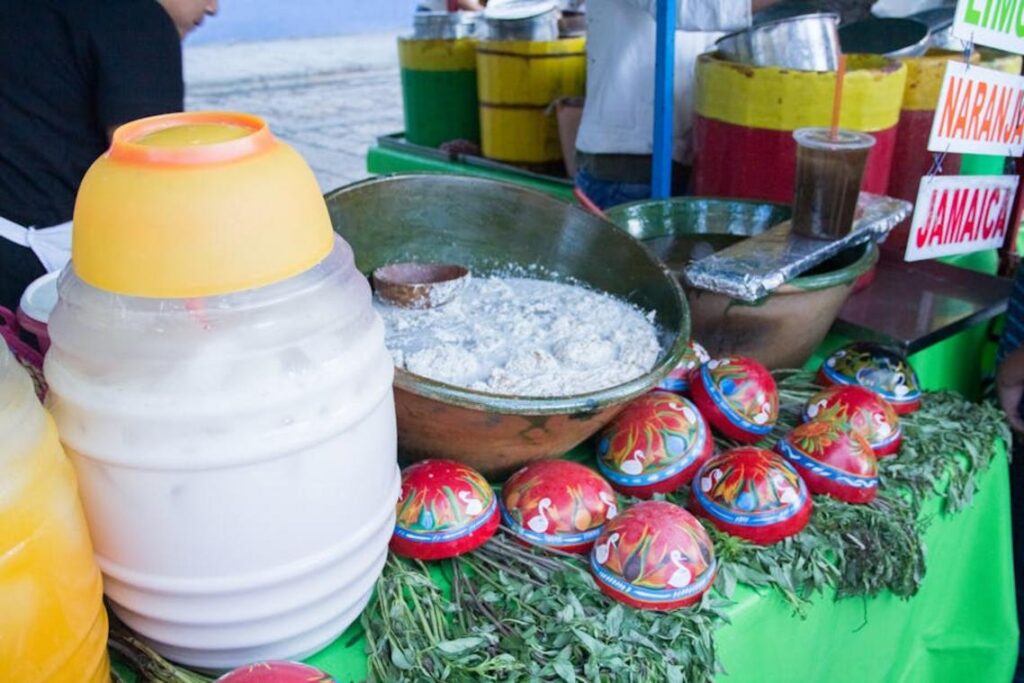
Oaxaca isn’t just a place to eat—it’s where Mexico tells its story through flavor. Often called the culinary heart of the country, it stands apart among culinary travel destinations for fiercely preserving indigenous ingredients and techniques. As one market vendor in Benito Juárez told me, “Aquí cocinamos con historia”—“Here, we cook with history.”
The Seven Moles and More
At the center are the seven moles of Oaxaca—complex sauces built from layers of chiles, spices, nuts, seeds, and sometimes chocolate. Mole negro is dark and bittersweet; mole rojo leans fruity and warm; mole verde bursts with herbs. (Think of them as different musical genres sharing the same instruments.) Some argue mole is “just sauce,” but that misses the point—it’s a slow-crafted expression of community, often prepared for weddings and festivals.
Then there’s the tlayuda, a crisp tortilla layered with beans, asiento, cabbage, and quesillo—Oaxaca’s answer to pizza. Chapulines add smoky crunch, while fresh quesillo pulls apart in delicate ribbons.
Pair it all with mezcal. “Sip, don’t shoot,” a palenque owner advised, as roasted agave hearts smoldered nearby. Its smoky depth mirrors mole’s complexity. For contrast, try tejate, a chilled maize-and-cacao drink. Together, they embody how food culture shapes communities around the world.
Lima, Peru: A Fusion of Ancient Ingredients and Modern Technique
Lima isn’t just a stop on the map of culinary travel destinations; it’s a living laboratory of flavor. Indigenous traditions meet Spanish colonial influence, West African heritage, and Japanese Nikkei precision. The result? A cuisine that feels both ancient and cutting-edge.
Start with Ceviche. Order it at lunch when the fish is freshest. The magic lies in leche de tigre—literally “tiger’s milk”—a bright marinade of lime juice, aji amarillo, salt, and fish juices. It’s zesty, spicy, and electrifying (and yes, locals swear it’s a cure-all).
Next, choose Lomo Saltado, a Chinese-Peruvian stir-fry blending soy sauce, tomatoes, onions, and beef—served with fries and rice because Peru refuses to pick sides. Then try Causa, a layered potato dish seasoned with lime and aji amarillo, often filled with tuna or chicken.
Flavor essentials to look for:
• Aji amarillo peppers for gentle heat
• Fresh lime and cilantro for lift
• Purple corn for earthy sweetness
Pair everything with a frothy Pisco Sour—the citrus and egg-white foam reset your palate perfectly. Prefer non-alcoholic? Go for Chicha Morada, sweet and spiced.
Finally, explore Mercado de Surquillo. Taste unfamiliar Amazonian fruits. Ask questions. Order boldly. That’s how Lima rewards you.
Let your palate lead, and travel becomes more than sightseeing—it becomes transformation. Tuscany, Tokyo, Oaxaca, and Lima offer more than just a meal—they offer a deep dive into culture through flavor. When you chase signature dishes and regional pairings, you gain stories, confidence, and a sharper sense of taste. You learn to recognize balance, contrast, and craft in every bite. That awareness follows you home, elevating weeknight dinners and dinner parties alike. The benefit? Richer memories, smarter ordering, and unforgettable connections made across tables (the best souvenirs are edible). Book boldly; your senses will thank you. Adventure tastes better abroad.
Savor Your Next Sip
You came here looking for fresh inspiration—new flavor pairings, creative beverage fusions, and seasonal tasting ideas that actually elevate your table. Now you have the tools to mix with confidence, plate with purpose, and explore combinations that awaken every sense.
Great taste isn’t just about ingredients—it’s about intention. When drinks and dishes fall flat, it’s usually because the pairings lack balance, contrast, or creativity. By applying these gourmet techniques and experimenting with bold infusions, you transform ordinary moments into unforgettable experiences worthy of true culinary travel destinations.
Don’t let your next gathering feel predictable. Put these insights into action, experiment with one new pairing this week, and taste the difference for yourself. If you’re ready for expertly curated flavor ideas trusted by passionate food and beverage enthusiasts, explore more of our guides and start crafting unforgettable sips today.

 Christopher Pitcheristic is a dedicated beverage enthusiast and content creator who specializes in juice recipes, nutrition insights, and healthy lifestyle tips. He enjoys exploring natural ingredients and sharing creative ways to make refreshing drinks at home. At jalbitedrinks.net, Christopher focuses on informative guides, ingredient benefits, and easy-to-follow juice recipes designed for everyday wellness.