
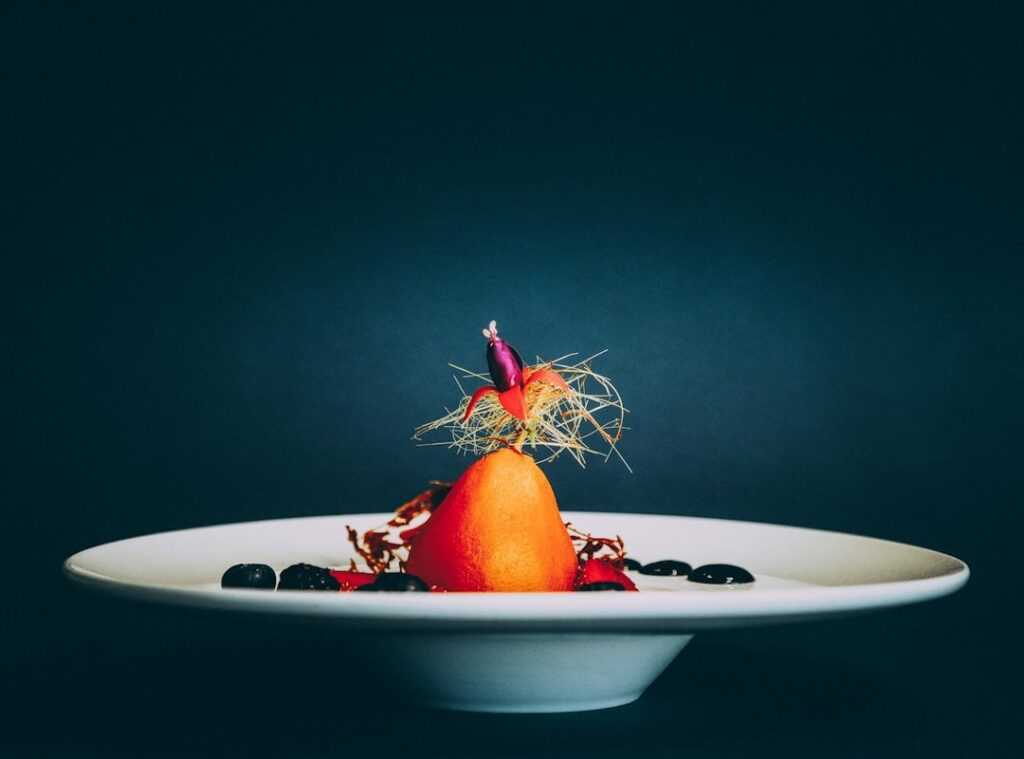
You’re probably wondering which of the emerging culinary trends is worth your attention. Let me tell you, diving into the world of new food crazes feels like stepping into an artist’s studio. Some trends fizzle out like a wet firework, but others?
They explode, leaving a lasting mark on our palates.
I’m here to sift through the noise. I’ve seen trends rise and fall, and it’s clear that some of today’s culinary innovations are here to stay. We’re talking about the details of flavor pairings that make your taste buds dance.
Ever wondered why some flavors just work together? Or what makes a dish memorable?
This article dives deep into the pulse of the culinary world. It promises takeaways on what’s hot right now (and why it matters). You’ll get a glimpse into the gourmet techniques shaping our dining experiences.
Trust me, you won’t want to miss this.
The “Swicy” Sensation: Where Sweet Meets Heat
Ever tried a mango-habanero jam? It’s like a fiery tango on your taste buds. I can’t help but marvel at how this “Swicy” (sweet + spicy) trend is sweeping through the culinary world.
You know, it’s more than just that hot honey drizzled on pizza. It’s an experience. Imagine a caramel glaze swirled with gochujang (sugar) cavorting with capsaicin in a tantalizing dance.
Why does this sweet-spicy combo work so well? It’s all about balance. Sweetness tempers the heat while unlocking a depth of flavor that’s just irresistible.
It’s what makes chili-infused chocolate a revelation rather than a disaster. Not just a passing fad, Swicy is an emerging culinary trend capturing the world’s taste buds.
How can you jump on this train? Easy. Try pairing a spicy-sweet glazed protein with a cooling, crisp drink.
It completes the sensory experience, perhaps even elevating your meal. Picture a spicy margarita syrup zinged up with fresh lime, followed by a sip of chilled beer or iced tea. Refreshing, right?
Curious to dive deeper into this flavorful world? There’s more to explore about sustainable food movements that align with these exciting trends. Check out this guide to learn more.
Isn’t it fascinating how flavors harmonize in unexpected ways? The culinary science behind Swicy isn’t just some chef’s whim. It’s a how the human palate craves complexity.
Go ahead, give it a try. Your taste buds will thank you.
Elevated Plant-Based: A Gourmet Revolution
I remember when vegan meant settling for lettuce and sadness. Now, it’s a culinary battlefield where chefs wield mushrooms like swords. Gourmet, technique-driven plant-based cuisine is redefining what it means to eat vegan.
It’s not about pretending to be meat anymore, but about celebrating vegetables for their own savory depth.
Let’s talk trends. Mushroom ‘charcuterie’ is a thing (who knew fungi could be so fancy?). Smoked king oysters offer an earthy richness that’s hard to forget.
And have you tasted plant-based seafood lately? Tomato tuna and trumpet mushroom scallops aren’t just catching eyes; they’re rewriting menus.
Artisanal nut-based cheeses? They’re turning heads with complex rinds and aging that rival the best brie. Texture and umami are everything.
Chefs are focusing on what I call the “silky mouthfeel,” something plants are finally delivering after years of trying. This is where emerging culinary trends really shine.
What’s fascinating is how these flavors are creating new opportunities for wine and beverage pairings. No longer are meat dishes the kings of the table in that regard. This new wave of vegan gourmet is making us rethink traditional pairings.
In this new age of vegan gourmet, there’s no room for dull flavors. These sophisticated dishes demand attention and respect. It’s not just about food anymore.
Does it work? Absolutely. Pro tip: Try a spicy red with that smoked mushroom dish. (You’re welcome.)
It’s about an experience that takes your tastebuds on a journey. And isn’t that what great dining is supposed to do?
The Global Pantry: Hyper-Regional Flavors
Have you noticed how food labels are getting more specific? It’s no longer just “Mexican food” but Oaxacan moles and Yucatecan cochinita pibil. Broad strokes are out.
Hyper-regional flavors are taking center stage in emerging culinary trends, and I love it.
Travel through flavors, you know? Take Filipino Kinilaw. It’s often compared to ceviche but with a punch of vinegar and coconut milk.
Why this shift? It’s about authenticity and the stories these foods tell. After the pandemic, people crave real experiences.
It’s like a lively burst of the Philippines in every bite.
And how about Calabrian ‘Nduja? It’s spicy, spreadable, and a game changer for meats and pizzas. You can’t just lump it under “Italian sausage.” These flavors have personalities.
They demand attention. They invite you to a specific place rather than just a cuisine category.
But let’s be real. Not everyone wants to become a globe-trotting chef overnight. So where to start?
Pick one unique regional spice or sauce. Maybe try za’atar on your next batch of chicken. Just one ingredient can transport you.
Trust me.
For those curious about how these trends fit into a larger culinary narrative, there’s more to explore. Dive into Culinary Traditions Making Comeback. It’s fascinating to see old flavors getting new life.
So, do you explore these flavors, or stick to the classics? It’s a choice we all make. But why limit yourself?
There’s a whole world of taste out there waiting.
Functional Indulgence: Foods That Feel as Good as They Taste
There’s something irresistible about the new trend in functional foods. They promise not just nourishment but a sensory experience that delights the taste buds while supporting mood, focus, and gut health. But this isn’t your typical health-food aisle fare (it’s) indulgence with a twist.
Picture this: rich, dark chocolate infused with calming adaptogens like ashwagandha. It melts on your tongue, releasing an earthy aroma and a hint of bitterness that’s balanced by the velvety texture. You take a bite, and it feels almost sinful, yet you know it’s not.
It’s like a spa day for your psyche.
And let’s not forget the savory world of fermented foods. Imagine kimchi or miso being used to create gut-friendly umami bombs in sauces. The pungent smell, the satisfying crunch of kimchi, and the deep, salty flavor of miso.
A symphony for your senses. These are foods you crave not just for their taste but for how they make you feel inside.
Then there’s the coffee alternative scene. If you thought regular coffee was a sensory experience, wait until you’ve tried blends with nootropic mushrooms. They’re designed to sharpen focus without the jittery aftertaste.
These drinks offer a smooth, earthy flavor, a whisper of woodiness that feels grounding. That’s indulgence with a purpose.
This fusion isn’t new. It’s the meeting of ancient wellness traditions with modern culinary techniques. So, is this what you imagined when you thought about emerging culinary trends?
According to the flavor forecast: top restaurant food trends for 2026, the fusion of taste and function is only going to grow.
Sip Like You Mean It: The Cocktail Revolution
Ever been to a place where the drinks seemed like a last-minute thought? It’s tragic. Beverages should be the centerpiece of your culinary experience.
A drink can be more than something to wash down dinner. It’s an emerging culinary trend. to how zero-proof cocktails are taking the spotlight.
These drinks are not your average sugary mocktails. Nope. They use culinary techniques to build complexity.
Think house-made shrubs, herb infusions, and savory ingredients that challenge your taste buds. It’s about layering flavors, not just filling a glass. You ever sip on something and taste a whisper of smoke or a lively, effervescent finish?
That’s the magic of non-alcoholic cocktails. You feel mature, even if you’re ditching the booze.
Beverage fusions have also stepped up, mixing things like tea-infused spirits or mushroom cocktail mixers. Yes, mushrooms! It’s a wild world out there.
And fermented drinks like kombucha? They’re not just for yoga studios anymore. They’ve become a base for cocktails that are more complex than any vodka soda you’ve ever had.
But why is this important? Simple. People crave sophisticated, adult flavors.
With or without the alcohol. You don’t always need a buzz to enjoy the art of a well-crafted drink. This trend embraces that, giving everyone the chance to savor something special.
The art of the sip is a revolution in how we approach drinking. It has its own sophistication, and I’m here for it. Are you?
Taste What’s Next
We’ve walked through a feast of emerging culinary trends, from the fiery thrill of ‘swicy’ to the refined sip of zero-proof cocktails. These aren’t just novelties to tickle your taste buds. They’re stories, flavors, and a call for mindful indulgence all rolled into one.
You’re not just skimming trends; you’re tasting the future.
But here’s the real question: what trend will you try first? You’ve got the flavor forecast in your hands now. Choose a trend and dive in.
Maybe pick that intriguing ingredient you’ve never dared to cook with. Or mix up a drink that makes your guests pause and savor.
Don’t just think about it. Experience it. Head to jalbitedrinks.net, find your inspiration, and let these flavors guide your next culinary adventure.
You deserve more than just a meal; you deserve a taste revolution. Embrace it. Your table awaits.

 There is a specific skill involved in explaining something clearly — one that is completely separate from actually knowing the subject. Syrelia Veyland has both. They has spent years working with gourmet techniques and recipes in a hands-on capacity, and an equal amount of time figuring out how to translate that experience into writing that people with different backgrounds can actually absorb and use.
Syrelia tends to approach complex subjects — Gourmet Techniques and Recipes, Tasting Tips and Seasonal Menus, Jalbite Beverage Fusion Concepts being good examples — by starting with what the reader already knows, then building outward from there rather than dropping them in the deep end. It sounds like a small thing. In practice it makes a significant difference in whether someone finishes the article or abandons it halfway through. They is also good at knowing when to stop — a surprisingly underrated skill. Some writers bury useful information under so many caveats and qualifications that the point disappears. Syrelia knows where the point is and gets there without too many detours.
The practical effect of all this is that people who read Syrelia's work tend to come away actually capable of doing something with it. Not just vaguely informed — actually capable. For a writer working in gourmet techniques and recipes, that is probably the best possible outcome, and it's the standard Syrelia holds they's own work to.
There is a specific skill involved in explaining something clearly — one that is completely separate from actually knowing the subject. Syrelia Veyland has both. They has spent years working with gourmet techniques and recipes in a hands-on capacity, and an equal amount of time figuring out how to translate that experience into writing that people with different backgrounds can actually absorb and use.
Syrelia tends to approach complex subjects — Gourmet Techniques and Recipes, Tasting Tips and Seasonal Menus, Jalbite Beverage Fusion Concepts being good examples — by starting with what the reader already knows, then building outward from there rather than dropping them in the deep end. It sounds like a small thing. In practice it makes a significant difference in whether someone finishes the article or abandons it halfway through. They is also good at knowing when to stop — a surprisingly underrated skill. Some writers bury useful information under so many caveats and qualifications that the point disappears. Syrelia knows where the point is and gets there without too many detours.
The practical effect of all this is that people who read Syrelia's work tend to come away actually capable of doing something with it. Not just vaguely informed — actually capable. For a writer working in gourmet techniques and recipes, that is probably the best possible outcome, and it's the standard Syrelia holds they's own work to.