
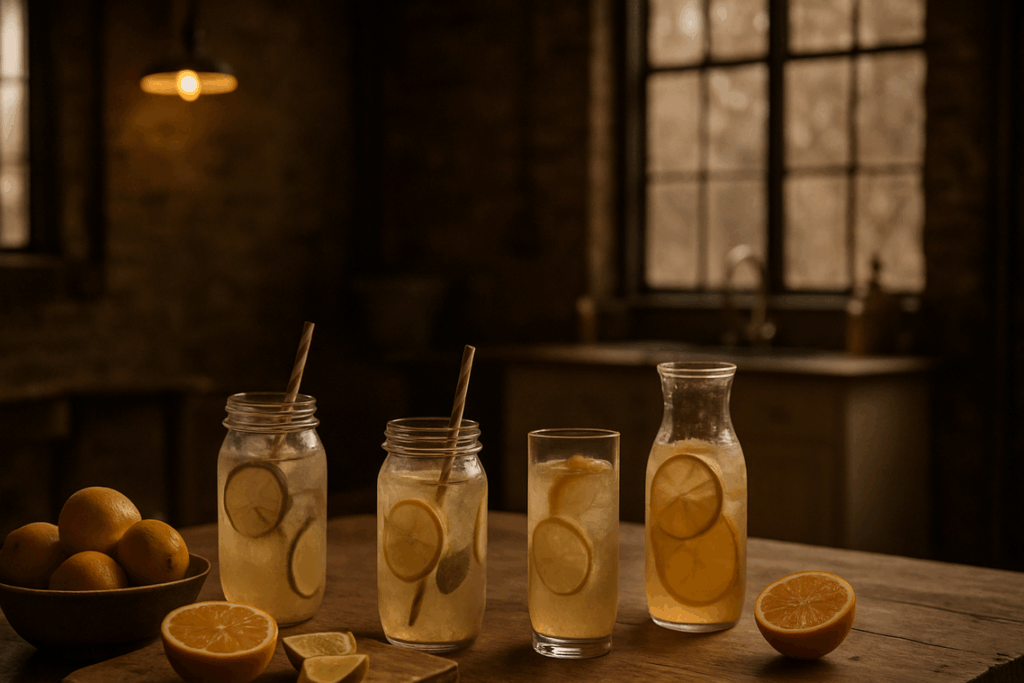
If you’re searching for ways to elevate your drinks beyond the ordinary, you’re in the right place. This article explores the art and technique behind savory cocktail infusions, showing you how to layer herbs, spices, vegetables, and unexpected pantry staples into balanced, complex beverages. Whether you’re experimenting at home or refining a dinner party menu, understanding how savory elements interact with spirits can transform a simple drink into a memorable tasting experience.
Many cocktail enthusiasts struggle to achieve depth without overpowering the glass. Here, you’ll learn how to select complementary flavor pairings, control infusion times, and create harmony between bold and subtle notes. Our guidance draws from culinary pairing principles, hands-on recipe testing, and seasonal tasting expertise to ensure each recommendation is both creative and reliable.
By the end, you’ll have practical techniques and inspired ideas to confidently craft savory-forward cocktails that surprise and delight.
From Plate to Glass
The savory sips revolution starts with balance—a culinary principle meaning flavors enhance, not overpower, each other. Instead of defaulting to wine, consider spirits layered with herbs, acids, and bitters. For example, a rosemary-infused gin highball cuts through fatty lamb because carbonation and citrus cleanse the palate—a sensory reset supported by taste-interaction research (Spence, 2015). Meanwhile, umami—the savory depth found in mushrooms and aged cheese—intensifies when paired with tomato-based savory cocktail infusions. Critics argue cocktails overwhelm food; however, precise dilution and measured acidity keep flavors seamless. Ultimately, construction turns your drink into an ingredient, not an afterthought.
The foundation of flavor in cocktail pairing rests on two classic strategies: complementation and contrast. Complementation means echoing aromas and textures already on the plate. Imagine a herbal gin cocktail, fragrant with crushed rosemary and bright juniper, served beside a rosemary-crusted lamb. The piney scent rises from the glass and meets the sizzling, savory crust in a seamless handshake. Contrast, on the other hand, plays with tension. A tart citrus spritz slices through creamy pasta or fried chicken, its acidity snapping like a cymbal crash and cleansing the palate. This is why savory cocktail infusions built with shrubs or lemon peel feel so refreshing against rich meats. Bitterness adds yet another layer. A splash of amaro or a few dashes of bitters can tame the sticky sweetness of glazed pork or heighten the salty snap of cured ham. Meanwhile, alcohol itself carries weight and warmth. Lighter spirits lift delicate seafood, while high-proof whiskey stands firm beside a charred, peppery steak. Is it any wonder the right pairing can make flavors bloom brighter and linger longer? Ultimately, balance is about listening to what you taste, adjusting until each sip and bite feel harmoniously alive together on the tongue and nose.
Herbal and Botanical Blends for Earthy and Roasted Dishes
Earthy and roasted dishes—think mushroom risotto, roast chicken, or venison—often feature herbs like rosemary, thyme, and sage. These herbs are considered botanicals, meaning plant-derived ingredients used for aroma and flavor. Understanding how botanicals behave in both food and drink makes pairing far less mysterious.
Spotlight on Gin and Chartreuse
First, gin. At its core, gin is a neutral spirit flavored primarily with juniper berries (small piney cones that give gin its signature crisp, resinous bite). Because it already contains botanicals, it naturally mirrors the flavors in herb-forward dishes. For example, a Rosemary Gin Fizz alongside roast chicken works because the rosemary in the drink echoes the rosemary on the bird, creating flavor continuity (like matching your tie to your pocket square, but tastier).
Some argue gin overpowers delicate foods. That can happen—especially with overly citrusy styles. However, choosing a balanced London Dry gin keeps the herbs in harmony rather than competition.
Then there’s Chartreuse, a complex French herbal liqueur made with over 100 plants. Its layered, slightly sweet profile pairs beautifully with gamey meats like duck or venison. The liqueur’s herbal depth also complements earthy vegetables such as roasted beets or mushrooms.
Savory Syrups as a Culinary Bridge
To simplify pairing, try savory cocktail infusions using herb-infused simple syrups. Combine equal parts sugar and water, heat gently, then steep thyme, basil, or sage for 15–20 minutes. Strain and cool. This syrup acts as a bridge—connecting plate and glass.
For instance, a Thyme-infused Old Fashioned beside mushroom risotto works because both share woody, earthy undertones. Similarly, exploring techniques from fermented beverages kombucha blends and beyond can expand your botanical toolkit. Pro tip: start light with herbs; you can always add more, but you can’t un-steep a syrup.
Citrus and Spice: Cocktails for Seafood and Spicy Cuisine
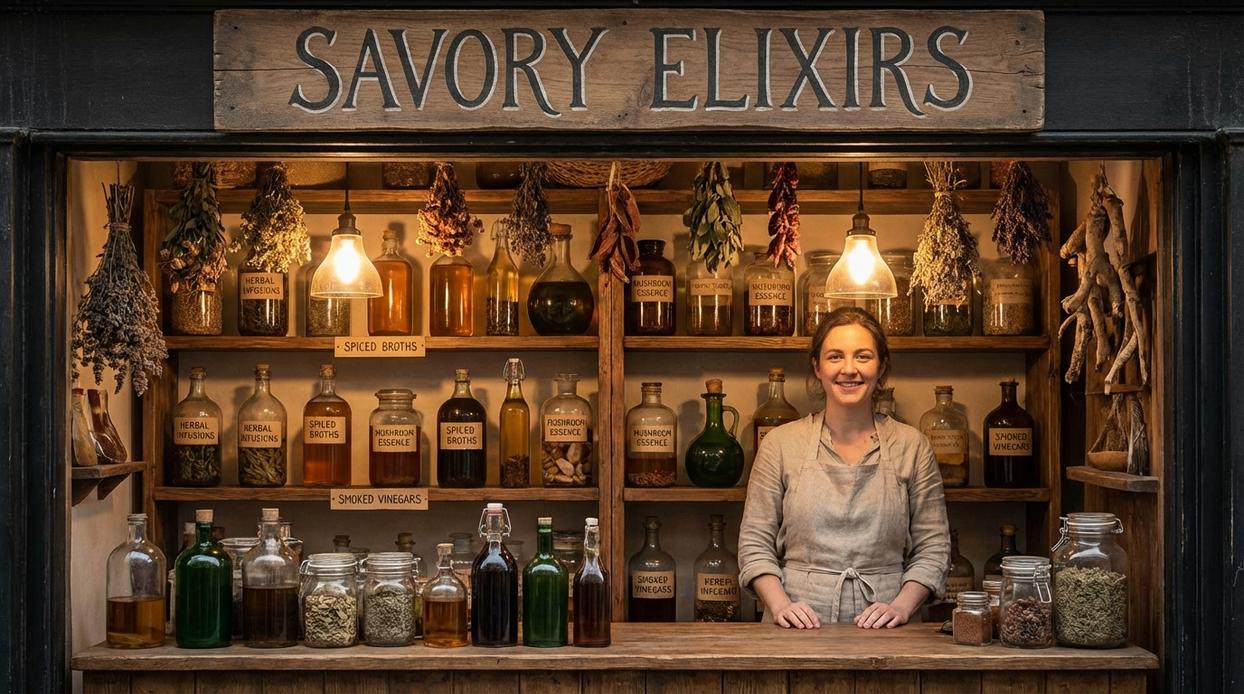
Seafood and spice demand contrast. Rich coconut milk, charred shrimp, smoky chilies—these flavors beg for brightness and bite. The trick is understanding balance: acidity (that mouthwatering tang from citrus) cuts fat, while aromatics (herbs and spices you smell before you taste) amplify complexity.
Tequila and Mezcal Magic
First, think beyond the margarita. Tequila’s vegetal notes—those green, earthy flavors from agave—pair beautifully with grilled fish tacos or shrimp skewers. Mezcal, with its signature smokiness (thanks to roasting the agave), mirrors the char on grilled seafood. Try this: mix 2 oz blanco tequila, 1 oz fresh lime juice, ½ oz agave syrup, and a pinch of sea salt. Shake, strain, and serve with ceviche. The citrus lifts the dish, while the salt ties everything together (like a well-cast ensemble in a heist movie).
The Power of a Paloma
Next, consider the Paloma. Grapefruit soda brings gentle bitterness, and lime adds sharp acidity. That slightly bitter edge acts as a foil—meaning a contrasting partner—to rich carnitas or spicy tacos. If heat builds, the carbonation refreshes your palate. Pro tip: add a salted rim with a touch of chili powder to echo the dish’s spice.
Vodka as a Clean Canvas
Vodka is neutral, making it ideal for savory cocktail infusions like chili, lemongrass, or ginger. For example, build a Lemongrass and Ginger Vodka Collins: 2 oz infused vodka, 1 oz lemon juice, ½ oz simple syrup, top with soda. Serve alongside Thai green curry. The cocktail’s bright citrus and aromatic spice cut through coconut richness and elevate the curry’s heat—bite after sip, perfectly balanced.
Whiskey and woodsmoke are a natural match: the vanilla and caramel notes in barrel-aged bourbon or peppery rye echo the char on grilled steaks and sticky ribs. For best results, choose a high-proof bottle to stand up to bold sauces. Alternatively, reach for smoky mezcal; its earthy depth elevates grilled vegetables and pulled pork beautifully. If you’re exploring savory cocktail infusions, try mushroom-infused spirits or even a dash of soy sauce in a Bloody Mary to amplify umami-rich bites. Some purists resist these twists, yet thoughtful experimentation often reveals surprisingly balanced pairings. Trust your palate and adjust accordingly as needed.
Now that you understand flavor structure, it’s time to put it to work. Instead of defaulting to wine or beer, build a drink with intention. First, identify the dominant note on your plate. Then apply complement or contrast.
- Rich roast chicken? Add acidity to cut fat.
- Herb-crusted lamb? Echo those greens in the glass.
- Charred steak? Introduce smoke to amplify depth.
For example, shake a Rosemary Gin Fizz for your next roast. The citrus brightens, the herb ties in, and suddenly dinner feels designed. Experiment with savory cocktail infusions and taste the difference. Start tonight and trust your palate fully.
Elevate Every Sip with Bold Flavor Pairings
You came here looking for fresh inspiration to elevate your drinks with deeper, more memorable flavor combinations—and now you have the creative direction to do exactly that. From unexpected herb-and-citrus blends to layered spice profiles and savory cocktail infusions, you’ve discovered how intentional pairings can transform an ordinary glass into a gourmet experience.
The real frustration isn’t a lack of ingredients—it’s serving drinks that feel predictable or uninspired. When your beverages don’t match the creativity of your menu or the season, the entire experience falls flat. But with the right balance of culinary pulse, flavor harmony, and thoughtful experimentation, every pour can feel elevated and unforgettable.
Now it’s your move: start experimenting with one new fusion this week, refine your seasonal pairings, and taste the difference intentional crafting makes. If you’re ready for expertly curated flavor ideas, proven pairing techniques, and fresh concepts that consistently impress, explore our top-rated gourmet drink guides and start mixing with confidence today.

 Syrelia Veyland is the co-founder of jalbitedrinks.net and plays a key role in shaping the platform’s vision and content direction. With a passion for wellness, natural ingredients, and creative drink culture, she ensures the website delivers valuable, reader-friendly content. Syrelia focuses on building a community where people can explore healthy juices, smoothie ideas, and refreshing beverage trends for modern lifestyles.