
If you’re searching for fresh inspiration in the world of culinary creativity, this article is designed to deliver exactly that. From innovative flavor pairings to inventive beverage fusion concepts, we explore how tastes evolve, how ingredients interact, and how seasonal shifts influence what ends up on your table. Whether you’re experimenting in your home kitchen or refining a gourmet menu, you’ll find practical insights that elevate both food and drink experiences.
Our approach blends trend analysis with time-tested culinary principles, drawing on expert research, professional tasting methodologies, and deep exploration of food culture and communities that shape modern dining. We focus on what works, why it works, and how you can apply it confidently.
Inside, you’ll discover thoughtful recipe ideas, pairing strategies, and seasonal tasting tips that help you create balanced, memorable flavors—turning everyday meals and drinks into curated experiences worth savoring.
The Sun-Kissed Table: Exploring Mediterranean Communal Dining
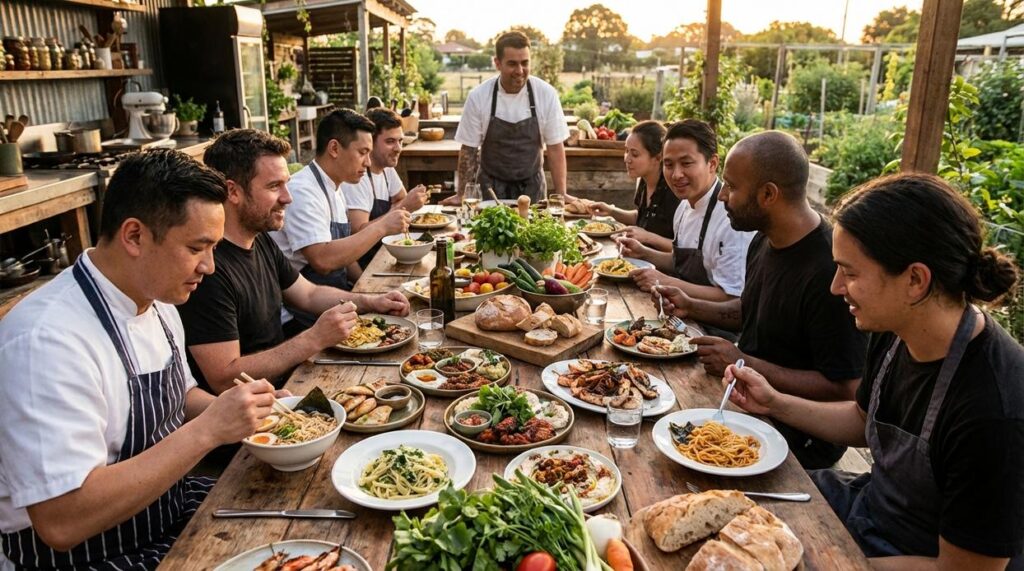
At the heart of Mediterranean dining is meze (small, shareable plates common in Greece and the Eastern Mediterranean) and tapas (Spain’s beloved small bites). Both traditions turn a meal into a social ritual. Instead of ordering individual entrées, the table fills with dishes to pass, taste, and discuss. This approach naturally slows the pace, encouraging conversation and connection—key pillars of food culture and communities.
If you’re recreating this at home, start with pantry essentials. Extra-virgin olive oil (rich in monounsaturated fats linked to heart health, per the American Heart Association), fresh oregano, rosemary, lemon zest, garlic, and briny feta create a bright, herbaceous flavor profile. Keep ingredients simple but high quality; Mediterranean cooking relies more on freshness than complexity. A squeeze of lemon can lift roasted vegetables instantly (pro tip: add citrus at the end to preserve its aroma).
Consider moussaka, Greece’s layered casserole of eggplant, spiced meat, and béchamel. It reflects agricultural history—eggplant from warm climates, lamb from pastoral traditions—and is often baked for family gatherings. Spain’s paella similarly showcases regional abundance, from saffron-infused rice to coastal seafood.
For beverages, pair with Assyrtiko, a crisp Greek white with mineral notes that cut through richness. Prefer non-alcoholic? Try citrus-infused sparkling water to echo those zesty, sunlit flavors.
Harmony in a Bowl: The Five Flavors of Southeast Asian Traditions
At the heart of Southeast Asian cuisine is a simple yet profound idea: every dish should balance sweet, sour, salty, bitter, and spicy (umami). Umami—often described as savory depth—is the rich, mouth-filling taste found in broths and fermented sauces. When these five flavors work in harmony, a meal feels complete rather than overwhelming.
Some argue that focusing on balance limits creativity. But in practice, structure fuels innovation. Think of it like jazz: you improvise best when you know the scales. In Thailand or Vietnam, balance is the scale.
Pantry Staples That Build Complexity
Layering is key. Common building blocks include:
- Fish sauce (salty, umami backbone)
- Lime juice (bright acidity)
- Fresh chili (controlled heat)
- Lemongrass (citrus aroma)
- Coconut milk (sweet, creamy contrast)
Instead of dumping everything in at once, cooks add ingredients gradually—tasting and adjusting. Pro tip: Add acid last; it sharpens all other flavors instantly.
Phở: A Bowl of Balance
Vietnamese phở is a masterclass in harmony. The broth simmers for hours with charred onion, ginger, and spices like star anise, creating deep savoriness. At the table, diners customize with herbs, lime, and chili—participating directly in food culture and communities.
Smart Beverage Pairings
To cool intense flavors, try:
- Thai iced tea
- A crisp lager
- Lychee-mint mocktail for palate cleansing
The goal isn’t heat or sweetness alone—it’s equilibrium in every sip and bite.
From the Earth: Corn, Chili, and Celebration in Latin America
Across Latin America, corn is more than a crop; it’s sacred, a living thread tying families to ancestors. Maize anchors daily meals and grand festivals, reminding us that food is memory. If you’re building an authentic pantry, START with dried corn, beans, varied chili peppers, cilantro, and ripe avocado. Learn nixtamalization, the ancient technique of soaking and cooking corn in an alkaline solution like limewater, which boosts nutrition and flavor (it also gives tortillas that unmistakable aroma).
For a celebratory centerpiece, choose Mole Poblano. This iconic Mexican sauce blends dried chilies, nuts, seeds, spices, chocolate, and more, reflecting indigenous and colonial influences. Some argue its complexity makes it impractical for home cooks. I disagree. MAKE it once for a major gathering, and you’ll taste why it’s reserved for weddings, holidays, and milestones. (Yes, it takes time; that’s the point.)
Pair boldly. A chilled hibiscus or tamarind agua fresca refreshes; a smoky mezcal cocktail echoes earthy depth; a dark beer STANDS UP to the sauce’s richness. For deeper context, explore the role of street food in modern gastronomy to see how these traditions shape food culture and communities. Choose quality chilies, toast your spices, and ALWAYS cook with intention. Honor tradition, invite friends, and let the table become a place of shared celebration together tonight Joyfully.
Foraged and Preserved: The Simplicity of Nordic Food Traditions
At its heart, Nordic cuisine is about survival turned into art. Long winters demanded preservation, so smoking (slowly curing food over smoldering wood), pickling (storing in acidic brine), and drying became essential skills. As a result, seasonality isn’t a trend here—it’s tradition.
The pantry is humble yet expressive: rye bread, dill, root vegetables, salmon, herring, and tart wild berries. Flavors are clean and distinct, often sharp enough to wake up the palate. If you’re recreating this at home, start simple: cured salmon, buttered rye, fresh dill, and quick-pickled cucumbers.
Then there’s smørrebrød, the Danish open-faced sandwich. Think of it as an edible gallery—layered thoughtfully to balance richness, acidity, and texture.
To cut through smoked fish, pair with caraway-spiced akvavit, a crisp pilsner, or sparkling elderflower pressé. Together, these traditions continue shaping modern food culture and communities.
Savor What’s Next
You came here looking for inspiration to elevate your drinks, refine your flavor pairings, and better understand the creative pulse behind inspired sips. Now you have the tools to experiment confidently, blend unexpected ingredients, and bring seasonal tasting ideas to life.
The real magic happens when you take these insights off the page and into your kitchen. Whether you’re crafting a bold fusion mocktail or refining a gourmet pairing, every detail matters — and so does the experience you create for the people sharing it with you. That’s how memorable moments are built within food culture and communities.
If you’re tired of serving the same predictable beverages or struggling to find flavor combinations that truly impress, don’t settle. Explore new recipes, test daring infusions, and stay inspired with fresh culinary insights designed to spark creativity. Join thousands of flavor enthusiasts who are already transforming their drink game — start experimenting today and turn every pour into an unforgettable experience.

 Syrelia Veyland is the co-founder of jalbitedrinks.net and plays a key role in shaping the platform’s vision and content direction. With a passion for wellness, natural ingredients, and creative drink culture, she ensures the website delivers valuable, reader-friendly content. Syrelia focuses on building a community where people can explore healthy juices, smoothie ideas, and refreshing beverage trends for modern lifestyles.