
If you’re searching for fresh inspiration to elevate your cooking and drink creations, you’re in the right place. This article is designed to help you master flavor pairings, explore creative beverage fusion concepts, and refine your approach to seasonal tasting so every dish and drink feels intentional and memorable. Whether you’re planning a dinner party or simply upgrading your weeknight routine, you’ll find practical guidance rooted in tested techniques and current culinary trends.
We’ve analyzed emerging flavor combinations, studied gourmet preparation methods, and tested recipes to ensure every recommendation is both achievable and impressive. From balancing sweet and savory notes to presenting plates with confidence using restaurant style plating tips, this guide delivers clear, actionable insights. By the end, you’ll understand not just what flavors work together—but why they work—so you can create beautifully composed dishes and drinks with consistency and creativity.
Great plating begins before the food hits the dish. Choose a plate that frames, not fights, your colors; wide rims create negative space (the intentional emptiness that makes elements pop). Think in thirds, like Instagram’s grid—place protein off-center for movement. Use squeeze bottles for precise sauces, and a spoon to drag elegant swooshes. Add height by stacking or leaning components. Finish with texture contrast: flaky salt, microgreens, or a glossy glaze. Focus on contrast. Apply restaurant style plating tips consistently, and wipe rims for a pristine look. Pro tip: warm plates for hot dishes. It elevates perception before tasting dramatically.
Choosing the right plate is like picking a movie screen for your blockbuster. White plates act as a neutral backdrop, making vibrant sauces and fresh herbs pop like a Wes Anderson color palette. In contrast, darker or patterned plates can compete for attention (and nobody wants their salmon fighting the china). Size matters too. Larger plates create negative space, which is the intentional empty area that frames your food and makes it look refined. Meanwhile, round plates feel classic and fluid, while square plates add modern structure.
Next, build a simple plating toolkit. Squeeze bottles help control sauces with precision, meaning thin lines instead of accidental puddles. An offset spatula creates smooth swooshes, and plating tweezers allow delicate placement of microgreens or edible flowers. Ring molds shape grains or tartare into clean cylinders, adding height and visual drama. Use restaurant style plating tips in the section once exactly as it is given.
Finally, cleanliness is key. Wipe the rim with a clean towel before serving; it is the culinary equivalent of checking your reflection before stepping on stage. Pro tip: plate with intention, then pause and edit. After all, we eat with our eyes first. Make every detail count thoughtfully.
The Rules of Attraction: Composition, Balance, and Flow
Great plating isn’t random—it follows visual psychology. Studies on eye-tracking in art and advertising show viewers naturally focus on intersecting points rather than dead center (Nielsen Norman Group, 2017). That’s the logic behind the Rule of Thirds—an artistic principle where you divide the plate into a 3×3 grid and position the main element off-center. Instead of centering a steak, shift it slightly left or right. The result feels dynamic and intentional (think of how movie directors frame dramatic scenes).
Next, consider The Clock Method, a beginner-friendly framework used in culinary schools. Place carbohydrates at 10 o’clock, protein at 2 o’clock, and vegetables at 6 o’clock. This structure mirrors how many fine-dining kitchens plate entrées because it creates natural balance and portion clarity. In fact, Cornell’s Food and Brand Lab found that organized plating increases perceived value and taste satisfaction (Wansink, 2014).
Then there’s contrast. Pair silky purées with toasted seeds or crisp shallots. Combine bold reds with bright herbs. Texture—defined as the surface and structural feel of food—is just as visually persuasive as flavor. Diners consistently rate dishes with varied textures as more “exciting” (Journal of Sensory Studies, 2016). Pro tip: add crunch last to maintain structural integrity.
Equally important is negative space, the empty area surrounding food. Overcrowding signals chaos, while space communicates confidence. Use restaurant style plating tips in the section once exactly as it is given. Leave breathing room—it directs attention and elevates elegance.
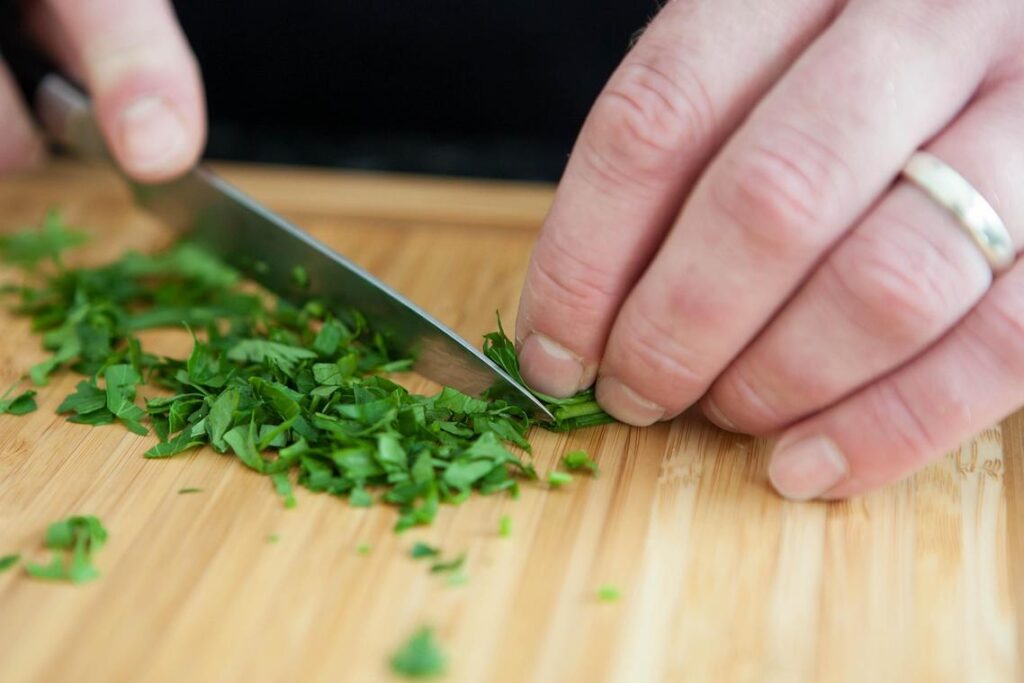
Some argue generous portions should fill the plate. However, restraint enhances focus (and frankly, it photographs better). For sharper presentation, revisit essential knife skills every home chef should know. Clean cuts amplify clean composition.
Start with a foundation that anchors the plate. A silky purée, a spoon-swipe of sauce, or a warm bed of grains gives everything else direction. Think of it as edible architecture (yes, like a tiny food skyscraper). Without it, components drift. With it, they belong.
Create vertical interest by building upward, not outward. Lean asparagus against a protein, stack roasted vegetables, or layer crisps for lift. Height signals intention and abundance. Restaurant style plating tips in the section once exactly as it is given. When guests see dimension, they assume complexity before the first bite.
Odd numbers are more appealing because the eye seeks movement. Three scallops or five ravioli feel dynamic, while four can look rigid. Designers call this visual rhythm, and chefs borrow it shamelessly.
Arrange with intention. Every element should be visible, not buried. Ask yourself: what’s the hero, and what supports it? Negative space is not emptiness; it is emphasis.
What’s next? Consider color contrast, garnish placement, and sauce control. A final drizzle or microgreen can elevate the narrative. Pro tip: plate, step back, adjust once. Then serve with confidence.
The Art of the Finish: Sauces, Garnishes, and Final Touches
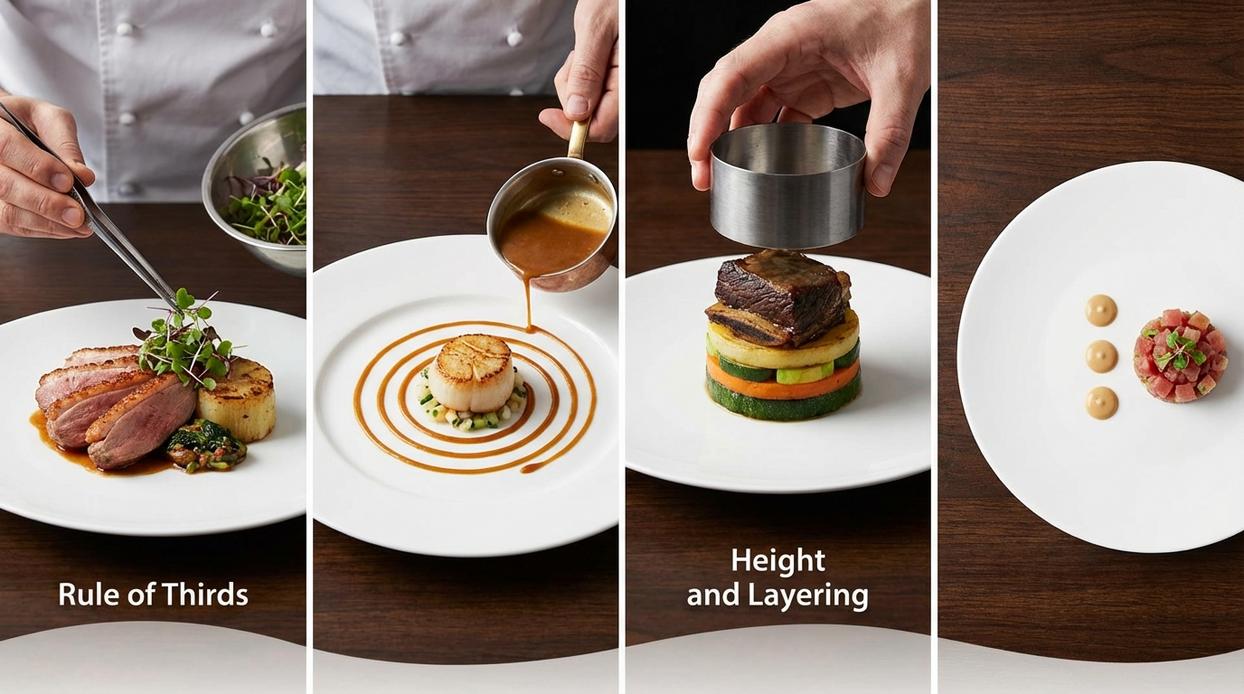
Sauce isn’t an afterthought—it’s a DESIGN ELEMENT. Instead of flooding the plate, try controlled movement. Use the back of a spoon to create a smooth “swoosh.” Apply precise “dots” with a squeeze bottle for structure. Finish with a gentle “drizzle” for elegance. These techniques guide the eye and frame the food (yes, plating is part culinary, part choreography).
Garnish with Purpose
Every garnish must be edible and flavor-aligned. Microgreens add freshness. Edible flowers bring color and subtle aroma. A sprinkle of flaky sea salt introduces texture and contrast. A drizzle of high-quality infused oil can echo or elevate key notes. If it doesn’t enhance flavor, DON’T USE IT.
Pro tip: Taste your garnish separately before plating.
The final polish matters. Wipe smudges. Remove stray drips. The plate should look intentional, clean, and ready to impress—because we eat with our eyes first (science backs this up; visual appeal influences taste perception, per Oxford research).
Your plate tells a story before anyone takes a bite. Now, you understand the rules that turn good food into a visual experience. If terms like balance or contrast once felt abstract, think of them simply: balance means nothing overwhelms; contrast means differences create interest. When you apply restaurant style plating tips, you guide the eye with intention.
The frustration of a delicious yet dull dish ends here. Using composition—how elements are arranged—you create flow, or the path the eye follows.
• Start with one technique, like a sauce swoosh.
• Practice the rule of thirds.
With plate, confidence grows.
Elevate Every Sip and Bite with Confidence
You came here looking for fresh inspiration—new flavor pairings, creative beverage fusions, and ways to bring more excitement to your table. Now you have the insights to transform everyday ingredients into memorable culinary moments.
The frustration of serving drinks and dishes that feel ordinary ends here. By applying thoughtful pairings, seasonal tasting awareness, and restaurant style plating tips, you turn simple recipes into experiences that look stunning and taste unforgettable.
Don’t let another gathering feel predictable. Start experimenting with one new fusion idea this week. Explore bold contrasts, refine your presentation, and taste as you go. Small upgrades create dramatic results.
If you’re ready to impress guests, elevate your hosting game, and finally feel confident in your flavor creativity, dive into more expert pairing guides and seasonal inspirations today. Join our growing community of passionate food and drink enthusiasts and start crafting show‑stopping moments—one perfectly plated pour at a time.

 Syrelia Veyland is the co-founder of jalbitedrinks.net and plays a key role in shaping the platform’s vision and content direction. With a passion for wellness, natural ingredients, and creative drink culture, she ensures the website delivers valuable, reader-friendly content. Syrelia focuses on building a community where people can explore healthy juices, smoothie ideas, and refreshing beverage trends for modern lifestyles.