
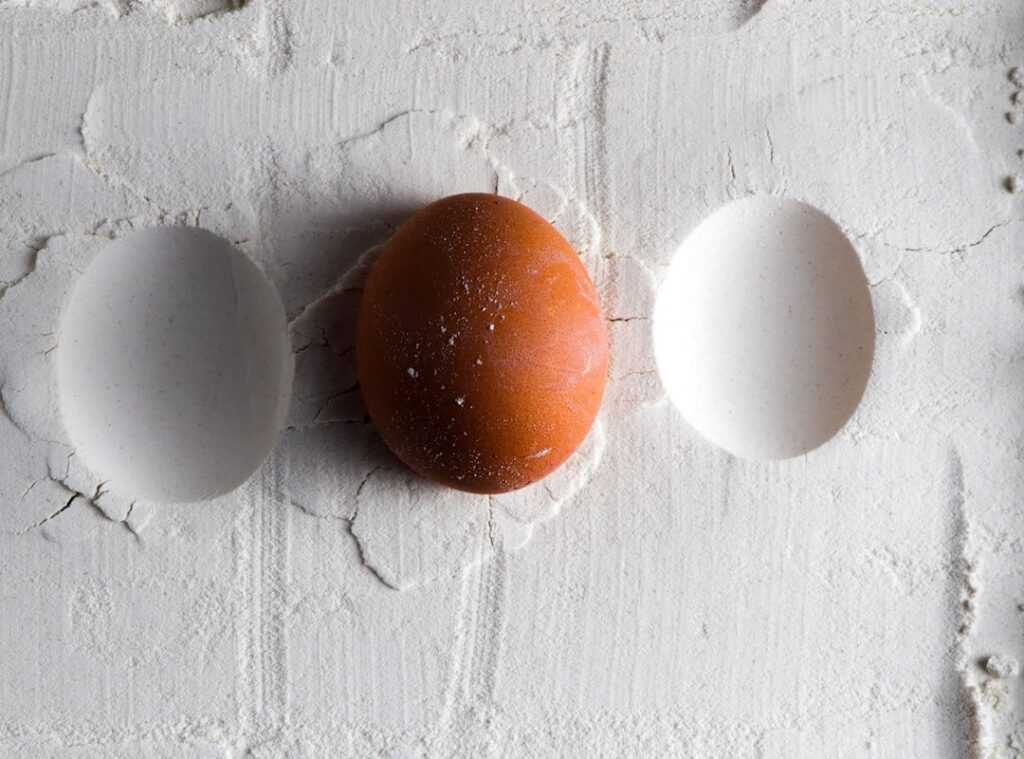
The smell of freshly baked bread is like no other. It’s magical. Until you pull out a loaf that’s more brick than brioche.
Why does this happen when you’ve followed every step? Here’s the thing: many of us stick to recipes but overlook the science of baking. It’s the hidden techniques that make the difference between okay and outstanding results.
I’ve spent years diving into culinary science, transforming basic ingredients into something extraordinary. This guide will take you past the surface. We’ll explore the art of baking from the inside out.
Ready to get it right? Let’s make magic happen.
The Baker’s Canvas: Understanding Your Ingredients
When I dive into baking, it’s like picking up a paintbrush. Ingredients aren’t just listed; they’re the colors and textures of your masterpiece. You want to know why?
Because how they mix changes everything.
Flour is your foundation, and gluten is its secret weapon. Cake flour gives you a tender crumb, while all-purpose flour results in a hearty chew. You feel the difference the moment you take a bite.
One’s like a gentle hug, the other’s more like a firm handshake.
Now, let’s talk about leaveners. Baking soda and baking powder might seem similar, but they play different games. Baking soda needs acid to work.
Think of it as needing a dance partner. Baking powder, though, is self-contained. It’s like having tiny balloons in your dough, lifting it all by itself.
Fats and sugars are the flavor architects. Butter adds flakiness and that unmistakable taste, while oil keeps things moist. Brown sugar?
It brings moisture and a caramel note. White sugar, on the other hand, is all about clean sweetness.
Temperature matters more than you think. Cold butter makes pastries flaky (key for a good pie crust). Room temperature eggs blend better in cakes.
We often overlook this, but it’s key to the science of baking.
For those curious about how fermentation plays into all this, you should check out the basics of fermentation beginners. It’s a fascinating addition to your baking journey.
The Rhythm of the Mix: From Gentle Folds to Solid Kneads
Mixing isn’t just a step in baking; it’s the heartbeat of the entire process. It dictates the final texture more than almost any other step. Imagine it as the brushstroke of baking.
If you’re wondering how a cake becomes light and airy or why your bread is dense, it all boils down to mixing.
Let’s talk about the Creaming Method. This technique is important for cakes and cookies. You beat butter and sugar until they’re ‘light and fluffy.’ The goal here?
Create thousands of tiny air pockets. These pockets expand and give your baked goods that dreamy, light texture. Ever notice how some cakes feel like a cloud?
Thank the Creaming Method. It’s like the secret sauce (without the sauce).
Now, the Muffin Method. Or the ‘Quick Bread’ Method (is) all about restraint. We all love a good mix, but here you need to hold back.
Your batter should be lumpy, not smooth. Overmixing activates gluten, leading to tough muffins. You want tenderness, not toughness.
So, ditch your urge to mix until smooth. Trust me, lumps are your friends.
Switching gears, the Biscuit Method involves cutting cold fat into flour. Picture ‘pea-sized crumbles’ and a ‘shaggy dough.’ These create pockets of fat that melt, steam, and form flaky layers. The result?
That perfect biscuit flake we all crave. It’s the definition of buttery goodness.
And then there’s kneading. For bread, this isn’t just mixing. It’s developing a strong gluten network.
You work the dough until it’s ‘smooth’ and ‘elastic.’ Aim for the ‘windowpane test’ (a) thin, stretchable dough that doesn’t tear. This is how you get that chewy bread texture.
Understanding these methods is like unlocking the science of baking. Each technique is its own art form. So next time you bake, think of mixing as your canvas.
Harnessing Heat: The Oven’s Magic
The oven isn’t just a box; it’s the final frontier in the science of baking. You ever wonder why preheating feels like a chore? Well, it’s non-negotiable.
Picture this: breads and pastries spring to life with a hot oven. That burst of steam and gas? It’s what makes them rise dramatically.
Skip this step and you’re stuck with sad, dense failures.
Temperature matters. High heat (400°F and up) is your ticket for crispy crusts and impressive rise. Ever noticed how cakes bake evenly at 350°F?
It’s not magic, it’s science. Low heat handles delicate custards with care, ensuring they don’t curdle into a sad mess.
And where you place your pan is just as key. Top rack is the go-to for browning, middle ensures even baking, and the bottom is for those perfect crusts. Oh, and don’t forget to rotate your pans halfway through.
Nothing worse than a lopsided cake.
Timers are great, but trust your senses. Look for golden-brown hues, breathe in that fragrant aroma, and test the cake’s bounce. A timer is a guide, not gospel truth.
By the way, if you’re into crafting more than just baked goods, you might want to create own signature cocktail. It’s another adventure in culinary creativity.
Baking is as much about intuition as it is about following recipes. Feel the process, and you’ll find yourself enjoying the journey just as much as the destination.
Flavor Alchemy: Infusing Your Bakes with Personality
Ever feel like you’re just following a recipe? It’s time to shift from technician to artist. Let’s talk about moving beyond vanilla extract (boring) and into the wild world of flavor alchemy.
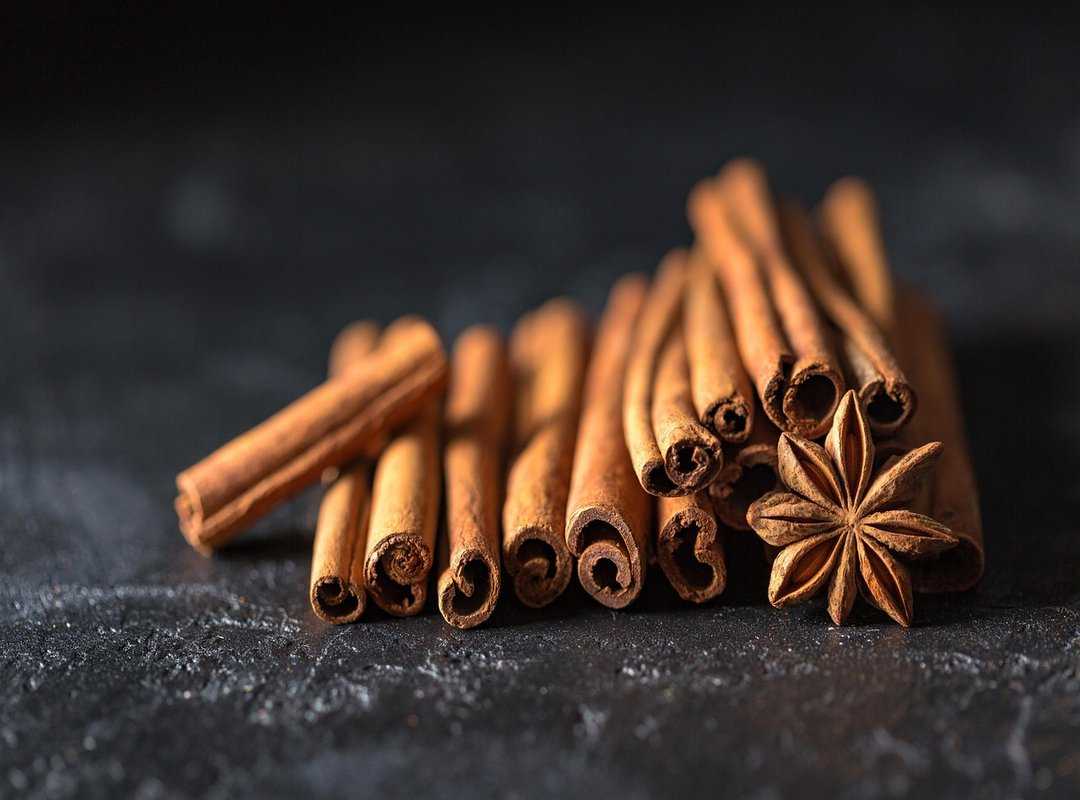
Toasting nuts and spices is your gateway to deeper flavors. Amazing, right? You’d be surprised how a quick toast releases aromatic oils, adding a nutty, complex scent that transforms your bake.
Infusing milk or cream with tea bags, coffee beans, or citrus zest is another creative trick. You heat the liquid, let the flavors seep in, and voilà. Your custards and frostings now pack a punch.
It’s simple. Try it once, and you’ll wonder why you waited so long.
Ever consider unexpected flavor pairings? Think cardamom in sugar cookies or rosemary in a lemon loaf. Even a hint of chili in chocolate brownies can raise a simple bake.
Who knew you could find artistry in such pairings? It’s like discovering hidden layers of taste. An art form that goes beyond the science of baking.
And don’t forget beverages. They can transform your eating experience. A lavender-infused scone with Earl Grey tea?
Heavenly. Or a rich chocolate torte with dark coffee? It’s perfection.
This is where your personal creativity shines. Sure, baking is science, but it’s also art. It’s the difference between following a recipe and creating something truly your own.
So, are you ready to infuse some personality into your bakes? Let’s make it happen. There’s a world of flavors waiting for you to explore.
Eat with Your Eyes: Plating Secrets
You know when you see a dessert and your mouth just waters? That’s because we eat with our eyes first. Even a simple bake can feel special with the right touches.
A dusting of powdered sugar or a handful of fresh berries can transform it. It’s like the science of baking meets art class (and) the right plate can make your creation the star. I mean, who wouldn’t want their chocolate cake framed on a chic wooden board?
These small tweaks make a big difference in enjoyment. It’s all about the complete experience, right up to the first bite.
Master Your Kitchen
Ever feel stuck just following recipes? It’s time to break free. Understanding the science of baking (the core techniques of ingredients, mixing, and heat) transforms your kitchen into a true studio.
Choose one technique from this guide. Try it next time you bake. Taste the difference.
Your culinary adventure starts now.

 Ask Thomas Blairatsers how they got into jalbite beverage fusion concepts and you'll probably get a longer answer than you expected. The short version: Thomas started doing it, got genuinely hooked, and at some point realized they had accumulated enough hard-won knowledge that it would be a waste not to share it. So they started writing.
What makes Thomas worth reading is that they skips the obvious stuff. Nobody needs another surface-level take on Jalbite Beverage Fusion Concepts, Gourmet Techniques and Recipes, Explore More. What readers actually want is the nuance — the part that only becomes clear after you've made a few mistakes and figured out why. That's the territory Thomas operates in. The writing is direct, occasionally blunt, and always built around what's actually true rather than what sounds good in an article. They has little patience for filler, which means they's pieces tend to be denser with real information than the average post on the same subject.
Thomas doesn't write to impress anyone. They writes because they has things to say that they genuinely thinks people should hear. That motivation — basic as it sounds — produces something noticeably different from content written for clicks or word count. Readers pick up on it. The comments on Thomas's work tend to reflect that.
Ask Thomas Blairatsers how they got into jalbite beverage fusion concepts and you'll probably get a longer answer than you expected. The short version: Thomas started doing it, got genuinely hooked, and at some point realized they had accumulated enough hard-won knowledge that it would be a waste not to share it. So they started writing.
What makes Thomas worth reading is that they skips the obvious stuff. Nobody needs another surface-level take on Jalbite Beverage Fusion Concepts, Gourmet Techniques and Recipes, Explore More. What readers actually want is the nuance — the part that only becomes clear after you've made a few mistakes and figured out why. That's the territory Thomas operates in. The writing is direct, occasionally blunt, and always built around what's actually true rather than what sounds good in an article. They has little patience for filler, which means they's pieces tend to be denser with real information than the average post on the same subject.
Thomas doesn't write to impress anyone. They writes because they has things to say that they genuinely thinks people should hear. That motivation — basic as it sounds — produces something noticeably different from content written for clicks or word count. Readers pick up on it. The comments on Thomas's work tend to reflect that.