
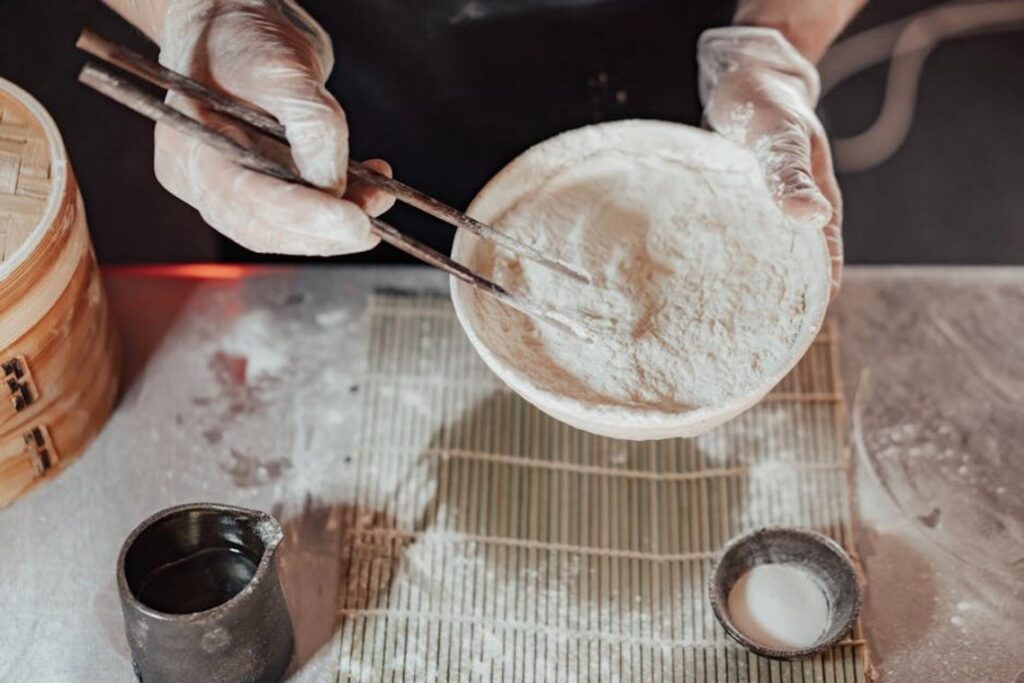
Today’s most exciting kitchens aren’t confined by borders—they’re rewriting the rules of flavor. This article explores how chefs are moving beyond traditional labels and redefining fusion food trends to create entirely new culinary languages. If you’ve ever been curious about cross-cultural dishes but unsure why some combinations work beautifully while others fall flat, you’re not alone. We break down the core philosophies, trending pairings, and essential techniques shaping modern global cuisine. Drawing on insights from culinary trend analysis and professional tasting experience, this guide gives you a clear framework—and the confidence—to experiment boldly and successfully in your own kitchen.
Beyond Fusion: The Rise of “Third Culture” Cuisine”
For years, fusion meant mashing two national cuisines together—think sushi burritos or tikka masala pizza (sometimes brilliant, sometimes baffling). But today’s shift isn’t about shock value. It’s about identity.
Third culture cuisine is food shaped by chefs who grew up between cultures. The term “third culture” originally described children raised in a culture different from their parents’; in cooking, it means dishes that feel personal rather than patched together. Instead of forcing flavors to “blend,” chefs cook from lived experience.
Ingredient-Led, Not Region-Led
Here’s the key clarification: modern menus are built around a star ingredient, not a passport.
- Yuzu might meet French pastry technique.
- Plantains could be treated with Korean fermentation methods.
- Miso may deepen a classic Italian butter sauce.
The ingredient leads; techniques follow. This differs from older fusion food trends, which often framed dishes as Country A plus Country B. Now it’s simply: what makes this ingredient shine?
Why is this happening now?
Globalization has widened ingredient access (specialty imports have risen steadily over the past decade, according to USDA trade data). Social media exposes diners to global techniques instantly. And today’s diners are more adventurous—nearly 60% say they actively seek new global flavors (Datassential, 2023).
In short, third culture cooking isn’t confusion. It’s clarity—rooted in story, guided by flavor, and driven by curiosity.
Core Flavor Pairings Defining the Modern Palate
Today’s modern palate is less about tradition and more about thoughtful collision. If you want to cook (or mix drinks) that feel current, start here.
Umami Meets Spice
Umami—the savory “fifth taste” identified by Japanese chemist Kikunae Ikeda in 1908—is the deep, mouth-filling richness found in fermented foods and aged cheeses. Instead of relying solely on Parmesan in pasta, try whisking a spoonful of gochujang (a Korean fermented chili paste) into tomato sauce. Or blend white miso into a beurre blanc for steak. Critics argue this muddies European classics. Fair—but used sparingly, these pastes amplify depth rather than overwrite tradition (think director’s cut, not remake). Pro tip: bloom miso or gochujang in warm fat first to round out sharp edges.
New-Wave Sour
Sour isn’t just lemon anymore. Tamarind brings caramel-like tang to BBQ glaze, sumac adds berry brightness to vinaigrettes, and hibiscus lends ruby acidity to marinades. This layered sourness aligns with growing interest in complex acidity across global fusion food trends. If someone says citrus is “simpler,” they’re right—but complexity is the point.
Aromatic Herb Swaps
Herb substitution instantly reframes a dish. Swap mint for shiso in a mojito for basil-meets-anise intrigue. Use Thai basil in pesto for peppery lift. These swaps work because herbs share volatile aroma compounds (see the science behind perfect flavor combinations).
Sweet Heat & Smoke
Finally, combine smoke and sweetness. Chipotle with agave, smoked paprika with date syrup. It works in ribs—and dark chocolate brownies (yes, really). Balance is key: sweetness should cushion heat, not smother it.
Technique Over Tradition: The Tools of Culinary Mashups
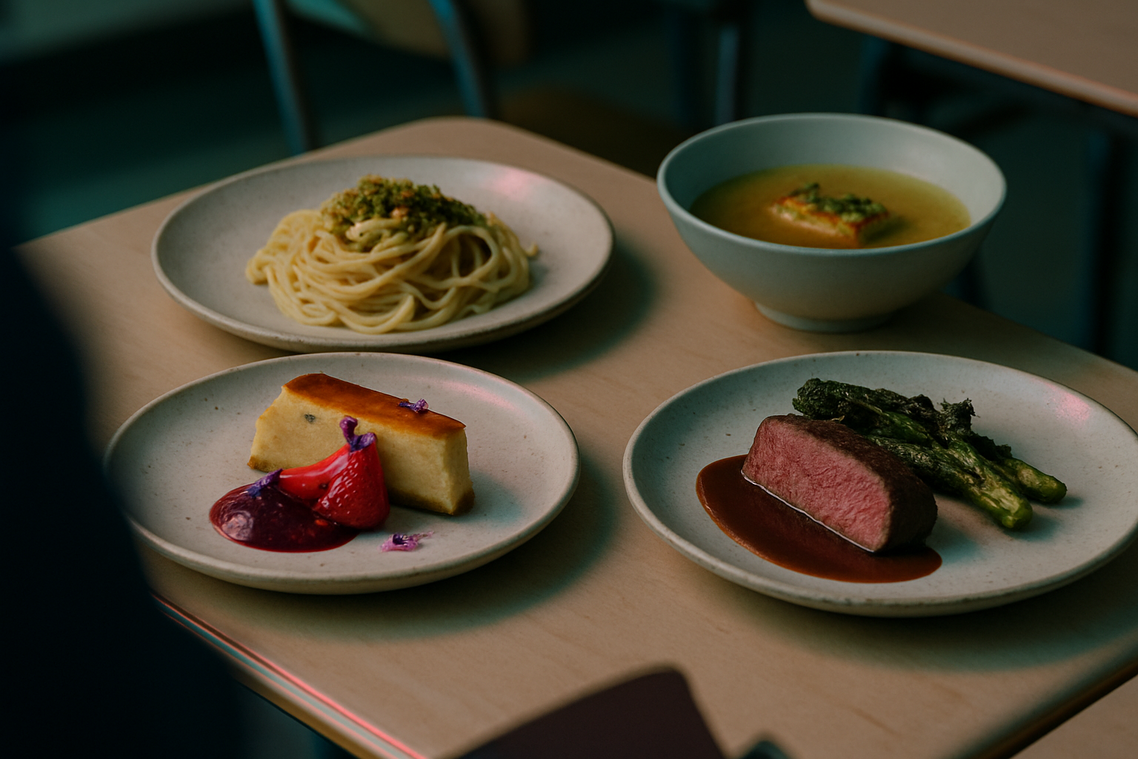
Global Fermentation Beyond the Usual Suspects
Lacto-fermentation—a preservation method where beneficial bacteria convert sugars into lactic acid—has long belonged to cabbage and cucumbers. But limiting it there feels timid. Fermenting mango with chili or blueberries with thyme creates condiments that blur borders without losing identity. Critics argue this strays too far from tradition. Yet cuisine has always evolved through trade and migration (just look at how tomatoes transformed Italian cooking). The real risk isn’t experimentation—it’s stagnation. Fermentation applied to unexpected produce builds acidity, funk, and depth that bridge culinary gaps naturally.
Applying Modernist Methods with Restraint
Sous-vide (precise low-temperature water-bath cooking), foams, and gels often get dismissed as gimmicks from the molecular gastronomy era. Fair. No one wants dinner to feel like a science fair. But precision matters when balancing miso with mole or tamarind with beurre blanc. Controlled texture ensures no element bullies the plate. Pro tip: use gels sparingly—structure should support flavor, not distract from it.
Smoke as a Bridge, Not a Mask
Smoke acts as a “third flavor,” binding unlikely pairings. Tea-smoked cream in a pasta sauce or applewood-smoked pineapple in a cocktail creates harmony through shared aroma compounds (Harold McGee, On Food and Cooking). Some claim smoke overwhelms nuance. Only if overdone. Used thoughtfully, it anchors bold mashups and elevates today’s fusion food trends beyond novelty.
The Perfect Sip: Matching Beverages to Cross-Cultural Dishes
Pairing drinks with globally inspired plates doesn’t have to feel like solving a chemistry equation. When flavors collide—spice, umami (savory depth), acidity, and heat—you gain more enjoyment by choosing beverages that refresh and echo those notes rather than compete with them.
High-acid, low-tannin wines like Albariño or dry Riesling act as palate cleansers, meaning their bright acidity resets your taste buds between bites. The benefit? Each forkful tastes as vibrant as the first (no flavor fatigue). While some argue bold reds stand up better to complex dishes, heavy tannins can amplify spice and bitterness instead of harmony.
Cocktails open even more doors:
- Gin with lemongrass and ginger enhances Southeast Asian flavors.
- Herb-infused syrups mirror aromatic spices.
For non-drinkers, shrubs (drinking vinegars) and kombucha deliver fermented tang that matches fusion food trends beautifully. The payoff is balance, clarity, and a dining experience that feels intentionally curated rather than accidental. Pro tip: when in doubt, choose acidity over sweetness.
Your Kitchen’s Next Flavor Adventure
You came here to understand how modern cuisine isn’t a random mash‑up, but a thoughtful blend of stories, techniques, and intentional flavor pairings. Now you’ve seen how balance—borrowing one tradition’s ingredient or method to elevate another—is the real secret behind today’s fusion food trends.
If your meals have been feeling predictable or uninspired, this is your sign to change that. Start small: stir a spoonful of white miso into your next tomato sauce or add a splash of rice vinegar to fresh fruit. Thousands of adventurous home cooks are already transforming everyday dishes this way. Open your pantry, experiment tonight, and taste the difference for yourself.

 Thomas Blairatsers brings a practical and research-based approach to juice blogging, covering topics such as fruit combinations, detox drinks, and hydration-focused beverages. His goal is to help readers discover delicious and nutritious drink options that support a balanced lifestyle. Through his work at jalbitedrinks.net, Thomas shares tips, comparisons, and unique flavor ideas to inspire juice lovers of all levels.