
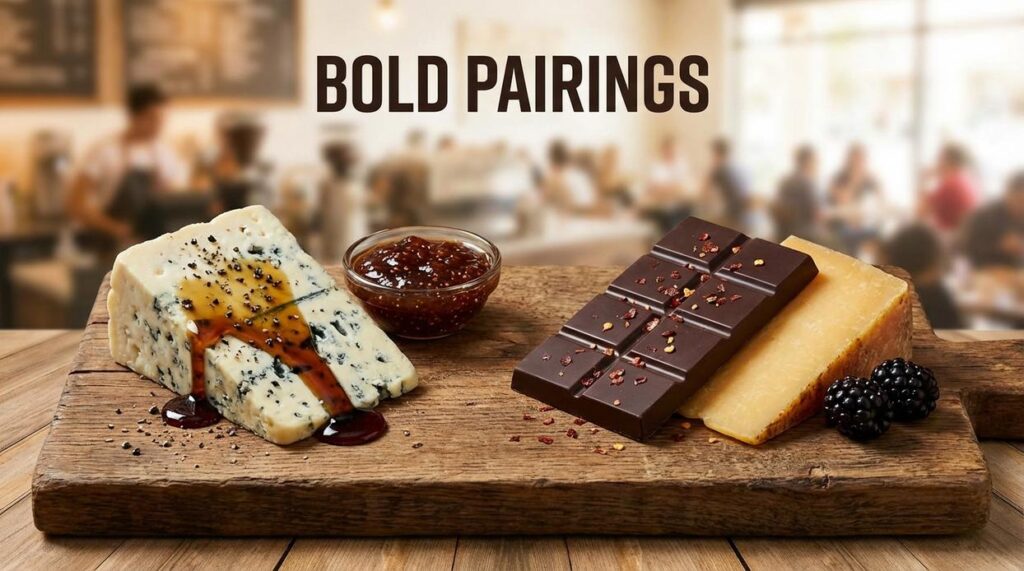
Tired of reaching for the same safe flavors every time you step into the kitchen? This guide is your invitation to break free from culinary routine and discover how unexpected flavor pairings can transform everyday meals and drinks into memorable experiences. We’ll tackle the real culprit behind uninspired cooking—repetition—and replace it with a fresh, creative approach to combining ingredients. Drawing on extensive culinary experimentation and a deep understanding of how taste profiles interact, this article gives you a practical framework for pairing flavors with confidence, plus exciting, proven combinations you can start trying today.
Beyond Sweet and Sour: The Principles of Flavor Architecture
Flavor isn’t random—it’s structured. Think of it as flavor architecture, the intentional layering and balancing of tastes, aromas, and textures to create a complete experience. Most people know the five basic tastes—sweet, sour, salty, bitter, and umami (savory depth found in foods like mushrooms or aged cheese). But knowing them isn’t enough. The magic happens in how they interact.
The Art of Flavor Balancing
Flavor balancing means adjusting one taste to enhance or soften another. A pinch of salt in caramel doesn’t make it salty; it amplifies sweetness by suppressing bitterness. A squeeze of lime over grilled fish cuts through fat because acidity counteracts richness. If your soup tastes flat, it may need acid—not more salt. (Yes, your lemons are working harder than you think.)
Aromatics—ingredients that primarily affect scent—play a quiet but powerful role. Since much of what we call taste is actually smell, herbs, spices, citrus zest, or even toasted seeds can bridge flavors. Basil can sweeten tomatoes without sugar; cinnamon can warm a bitter coffee.
Texture matters too. Creamy burrata paired with toasted almonds works because contrast keeps each bite interesting. Even unexpected combinations like strawberry and black pepper succeed when balance, aroma, and texture align.
Bold Bites: Culinary Pairings That Defy Convention

Great cooking lives at the edge of surprise. When you combine flavors that seem opposed, you create tension on the palate—a dynamic contrast between sweet, salty, bitter, sour, and umami (the savory depth found in foods like mushrooms and aged cheese). The key is balance, not shock value.
Sweet Meets Savory
Take Strawberry and Black Pepper. The pepper’s gentle heat doesn’t just add spice; it heightens perceived sweetness (a sensory effect backed by cross-modal taste studies). Try this: toast crostini, spread fresh goat cheese, layer sliced strawberries, and finish with freshly cracked pepper and flaky salt. Let it sit five minutes before serving so the flavors bloom.
Watermelon and Feta Cheese is a summer classic for good reason. Cube both evenly, add torn mint, drizzle olive oil, and squeeze lime. The salt amplifies sweetness while acidity sharpens each bite. Pro tip: chill the feta separately and combine just before serving to preserve texture.
Earthy Meets Bright
Mushroom and Grapefruit works best when mushrooms are deeply caramelized. Roast at high heat until browned, then fold in grapefruit segments and a splash of sherry vinegar. The acidity cuts through umami richness.
Dark Chocolate and Parmesan may sound rebellious, but shave aged parmesan over 70% cocoa chocolate. The crystalline salt fragments temper bitterness and add crunch (think of it as the culinary equivalent of an indie remix).
Skeptics argue that unexpected flavor pairings are gimmicky. Fair point—if they lack structure. But when you balance intensity, texture, and temperature, these contrasts become harmonious rather than chaotic. Start small, taste as you go, and let curiosity guide your plate.
Sip Something New: Creative Drink and Beverage Fusions
Flavor fusion isn’t just trendy—it’s strategic. While many beverage guides stop at “add mint to lemonade,” true innovation lies in understanding why certain ingredients amplify each other. Let’s go deeper.
Herbal and Fruity Infusions
First, consider aromatic contrast—when a savory herb sharpens fruit’s natural sugars. Take Basil and Peach Iced Tea. Basil’s slightly peppery, anise-like edge heightens peach’s ripeness rather than overpowering it. The result feels layered, not sugary (like upgrading from elevator music to a live band).
Similarly, Rosemary and Grapefruit Soda works because rosemary’s piney compounds echo grapefruit’s bitter pith. Bitterness, when balanced correctly, actually enhances perceived sweetness according to sensory research published in Food Quality and Preference (2015). In other words, complexity makes sweetness smarter.
Spicy and Sweet Elixirs
Now shift to thermal contrast—pairing heat with sugar. Jalapeño and Mango Lassi succeeds because capsaicin (the compound that creates heat) binds well with fat in yogurt, softening the spice while keeping its clean kick. Meanwhile, Ginger and Pear Spritzer uses gingerol’s warming spice to cut through pear’s mellow profile, preventing flavor fatigue.
Critics might argue spice in drinks overwhelms delicate notes. However, controlled infusion—thin slices, brief steep times—keeps balance intact. If you’re unsure where that balance lives, explore guides like how to balance sweet and savory like a professional chef.
Use unexpected flavor pairings in the section once exactly as it is given
Ultimately, beverage fusion isn’t random experimentation. It’s culinary chemistry—with a little daring stirred in.
Flavor experimentation is less guesswork, more method. Start with a bridge ingredient—a neutral element like olive oil, honey, or cream that connects two bold tastes. For example, chili and dark chocolate mellow beautifully with a drizzle of honey. Next, match intensity: cucumber and mint whisper; blue cheese and fig sing. Study global classics—tomato and basil, lime and chili—to see balance in action. Then test your own unexpected flavor pairings in small increments. Taste, adjust, repeat. Pro tip: keep notes so great accidents become repeatable wins. Your palate is the final judge. Trust it, even when rules say otherwise. Boldly experiment.
Your Next Great Taste Adventure Awaits
You came here ready to escape culinary monotony—and now you have the tools to do exactly that. By understanding balance, contrast, and aroma, you can confidently experiment with unexpected flavor pairings that once felt intimidating. That hesitation about mixing bold ingredients? It’s no longer holding you back.
Your next favorite bite or sip is waiting. Don’t fall back into the same routine meals this week. Choose one pairing, test it in your kitchen or bar, and taste the difference for yourself.
Thousands of adventurous home cooks already trust these flavor principles to elevate their creations. Now it’s your turn—pick a combination and start your next great taste adventure today.

 Syrelia Veyland is the co-founder of jalbitedrinks.net and plays a key role in shaping the platform’s vision and content direction. With a passion for wellness, natural ingredients, and creative drink culture, she ensures the website delivers valuable, reader-friendly content. Syrelia focuses on building a community where people can explore healthy juices, smoothie ideas, and refreshing beverage trends for modern lifestyles.