
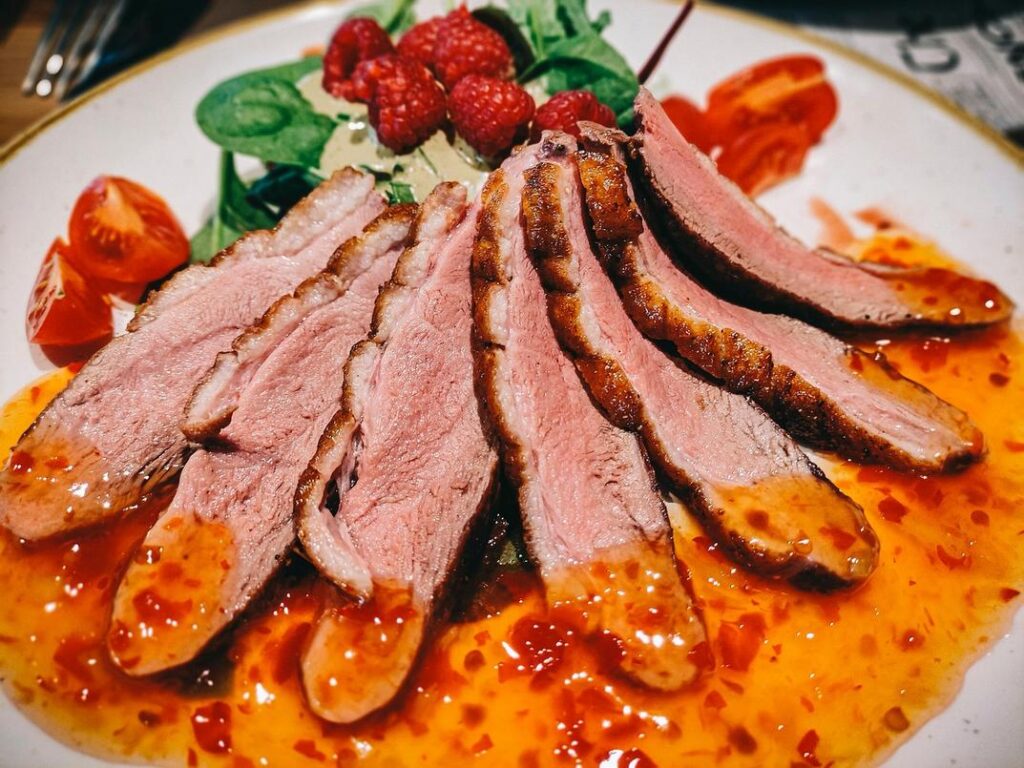
If you’re searching for a sous vide cooking guide, you likely want clear, reliable steps that take the guesswork out of precision cooking. Sous vide can seem technical at first—water baths, exact temperatures, sealing methods—but when done right, it delivers unmatched flavor, texture, and consistency. This article is designed to simplify the process, whether you’re cooking steak to a perfect medium-rare, infusing delicate flavors into vegetables, or experimenting with gourmet-level results at home.
We’ve analyzed best practices from professional chefs, food scientists, and extensive kitchen testing to ensure every recommendation is practical and results-driven. From choosing the right equipment to mastering timing, temperature charts, and finishing techniques, this guide walks you through each essential step.
By the end, you’ll understand not just how to cook sous vide—but how to use it confidently to elevate everyday meals into restaurant-quality dishes.
Unlock Perfectly Cooked Food, Every Single Time
Tired of steaks that swing from rare to rubbery? This sous vide cooking guide breaks down precision cooking versus traditional methods so you can see the difference.
Sous Vide vs. Pan Searing Alone
- Temperature Control: Water bath holds exact heat; stovetops spike and dip.
- Texture: Edge-to-edge doneness vs. gray bands.
- Moisture: Sealed bags retain juices; ovens dry them out.
Sous vide (a method of vacuum-sealing food and cooking it in a precisely heated water bath) removes guesswork. Think of it as autopilot for dinner (yes, like cruise control for steak). Ready for consistency?
What Exactly Is Sous Vide? The Science of Precision
Sous vide—French for “under vacuum”—refers to a cooking method where food is sealed in an airtight bag and submerged in a precisely heated water bath. In simple terms, instead of blasting food with high heat, you gently bring it to an exact temperature and hold it there.
So how does that help? Traditional ovens and pans heat from the outside in, often at fluctuating temperatures. That’s why steak can be gray on the edges and pink only in the center. Sous vide, by contrast, cooks food edge-to-edge at its target doneness.
For example, set your water bath to 130°F and your steak will reach 130°F—and stay there. It won’t creep up to 140°F while you answer a text (we’ve all been there). That means it’s virtually impossible to overcook.
If you’re new, following a reliable sous vide cooking guide ensures proper timing, food safety, and finishing techniques like searing for texture.
In short, precision equals consistency—and consistency builds kitchen confidence.
The Essential Sous Vide Toolkit: What You Really Need
First things first, the immersion circulator is non‑negotiable. This device heats and moves water to maintain a precise temperature (precision cooking means holding food at an exact degree for consistent results). I recommend at least 800 watts for home cooks and a strong flow rate to prevent hot or cold spots. Lower wattage can work, but it struggles with larger baths. Precision matters—USDA notes that controlled temperatures are key to food safety (USDA.gov).
Next, choose your container. A basic stockpot works perfectly well to start. However, dedicated polycarbonate containers retain heat better and reduce evaporation. If you cook often, upgrade. If not, save your cash for steak.
When sealing food, a vacuum sealer is ideal because removing air maximizes water contact and even cooking. Still, the water displacement method—slowly lowering a zip‑top bag to push air out—works surprisingly well. (Yes, it feels like a kitchen magic trick.) Pro tip: double‑seal fatty cuts to prevent leaks.
Finally, finish strong. A ripping‑hot cast‑iron skillet or culinary torch creates the Maillard reaction—that crave‑worthy brown crust. Think steakhouse flavor, minus the guesswork. For more detail, follow a trusted sous vide cooking guide.
Your First Perfect Cook: A Step-by-Step Guide to Sous Vide Steak

Cooking steak can feel like a high-stakes gamble. Too rare, too gray, or that dreaded dry chew. However, sous vide (a French term meaning “under vacuum”) removes the guesswork by cooking food in temperature-controlled water for precise results.
Step 1: Season Generously
Start with a thick-cut steak like ribeye or strip—at least 1 to 1.5 inches thick. Thickness matters because thin steaks overcook quickly during searing. Season liberally with salt, pepper, and garlic powder. (If it looks like too much salt, it’s probably just right.) Salt enhances flavor and helps tenderize the surface.
Step 2: Seal the Bag
Next, place the steak in a vacuum bag with thyme or rosemary and a pat of butter. No sealer? Use the water displacement method—slowly lower a zip-top bag into water to push air out before sealing. Removing air ensures even heat transfer.
Step 3: Set the Temperature
For medium-rare, set your immersion circulator to 130°F (54°C). According to food safety guidelines, holding beef at this temperature for sufficient time pasteurizes it safely (USDA). Submerge the sealed steak once the water stabilizes.
Step 4: Cook for 1–3 Hours
Here’s the beauty: timing is flexible. Within this window, your steak won’t overcook. Think of it as a built-in safety net—like training wheels for precision cooking. This sous vide cooking guide approach guarantees edge-to-edge doneness.
Step 5: The Final Sear
Finally, pat the steak completely dry. Moisture prevents browning. Sear in a screaming-hot cast-iron skillet with butter for 45–60 seconds per side. That crust forms through the Maillard reaction (the chemical process that creates deep flavor and browning).
For presentation ideas, explore plating like a pro restaurant style presentation tips.
Pro tip: Let the steak rest briefly after searing to redistribute juices for maximum tenderness.
Beyond the Basics: Flavor Infusion and Perfect Finishes
Most guides stop at “set the temp and wait.” That’s baseline knowledge. The real magic? CONTROLLED INFUSION.
Flavor Infusion Inside the Bag
The vacuum-sealed environment accelerates flavor transfer because there’s no air barrier. Fat-soluble compounds (flavor molecules that dissolve in fat) from herbs, citrus peel, or garlic bond directly with proteins. A sprig of thyme in a pan perfumes the surface; in a sealed bag, it permeates edge to edge. Try olive oil + rosemary for steak, miso butter for fish, or chili threads with honey for carrots (yes, vegetables deserve drama too).
• Use light marinades—intensity multiplies under vacuum.
• Avoid raw garlic overload; it can dominate.
Cooking Different Foods with Precision
Chicken at 145°F stays juicy yet pasteurized (USDA). Fish at 130°F turns delicately flaky. Vegetables at 185°F break down cellulose—the structural fiber that keeps plants rigid—yielding silky textures.
The Chill and Reheat Method
Cook, ice-bath rapidly, refrigerate, then reheat at serving temp. This preserves texture and moisture while streamlining entertaining (a quiet superpower rarely highlighted in a typical sous vide cooking guide). Pro tip: label bags with time and temp for flawless repeats.
From Precision Cooking to Culinary Confidence
Now that you understand the framework, it’s time to enjoy what this method truly offers: confidence. With sous vide, you’re no longer hovering over the stove or anxiously slicing into meat to check doneness. Instead, you set the temperature—and the outcome follows.
Here’s what’s in it for you:
- Consistent results – Edge-to-edge perfection, every single time.
- Less stress – A forgiving cooking window means no frantic timing.
- Better flavor and texture – Precise heat control preserves moisture and enhances tenderness.
In other words, you’re not just cooking—you’re mastering control. By regulating temperature with scientific accuracy, you unlock textures that traditional high-heat methods struggle to achieve (goodbye, dry chicken).
So start simple. Try a steak or chicken breast this week using a trusted sous vide cooking guide. Then, elevate the experience: pair steak with a bold red wine or fish with a crisp white. Suddenly, dinner feels restaurant-worthy—without the pressure.
Elevate Every Meal with Precision and Flavor
You came here looking for clarity, confidence, and better results in the kitchen—and now you have a clear path forward. With the techniques, timing insights, and flavor pairings you’ve explored, creating restaurant‑quality dishes at home no longer feels intimidating.
Inconsistent textures, overcooked proteins, and underwhelming flavors can ruin an otherwise great meal. That frustration ends when you apply what you’ve learned from this sous vide cooking guide. Precision temperature control, smart seasoning, and thoughtful finishing techniques give you repeatable, impressive results every time.
Now it’s your move: choose one recipe, set your temperature, and put these methods into action tonight. Thousands of home cooks are already transforming their kitchens with sous vide precision—don’t get left behind. Start cooking smarter, serve with confidence, and taste the difference for yourself.

 Ask Thomas Blairatsers how they got into jalbite beverage fusion concepts and you'll probably get a longer answer than you expected. The short version: Thomas started doing it, got genuinely hooked, and at some point realized they had accumulated enough hard-won knowledge that it would be a waste not to share it. So they started writing.
What makes Thomas worth reading is that they skips the obvious stuff. Nobody needs another surface-level take on Jalbite Beverage Fusion Concepts, Gourmet Techniques and Recipes, Explore More. What readers actually want is the nuance — the part that only becomes clear after you've made a few mistakes and figured out why. That's the territory Thomas operates in. The writing is direct, occasionally blunt, and always built around what's actually true rather than what sounds good in an article. They has little patience for filler, which means they's pieces tend to be denser with real information than the average post on the same subject.
Thomas doesn't write to impress anyone. They writes because they has things to say that they genuinely thinks people should hear. That motivation — basic as it sounds — produces something noticeably different from content written for clicks or word count. Readers pick up on it. The comments on Thomas's work tend to reflect that.
Ask Thomas Blairatsers how they got into jalbite beverage fusion concepts and you'll probably get a longer answer than you expected. The short version: Thomas started doing it, got genuinely hooked, and at some point realized they had accumulated enough hard-won knowledge that it would be a waste not to share it. So they started writing.
What makes Thomas worth reading is that they skips the obvious stuff. Nobody needs another surface-level take on Jalbite Beverage Fusion Concepts, Gourmet Techniques and Recipes, Explore More. What readers actually want is the nuance — the part that only becomes clear after you've made a few mistakes and figured out why. That's the territory Thomas operates in. The writing is direct, occasionally blunt, and always built around what's actually true rather than what sounds good in an article. They has little patience for filler, which means they's pieces tend to be denser with real information than the average post on the same subject.
Thomas doesn't write to impress anyone. They writes because they has things to say that they genuinely thinks people should hear. That motivation — basic as it sounds — produces something noticeably different from content written for clicks or word count. Readers pick up on it. The comments on Thomas's work tend to reflect that.