

If you’ve ever wondered why some meals feel unforgettable while others fall flat, the answer often lies in mastering the wine and food pairing basics. Whether you’re planning a dinner party, exploring new cuisines, or simply trying to elevate a weeknight meal, understanding how flavors interact can transform your entire dining experience.
This article is designed to guide you through the core principles that make pairings work—balancing acidity, complementing textures, and matching intensity so that neither the dish nor the wine overpowers the other. We’ve drawn on established culinary techniques, sommelier recommendations, and tested flavor combinations to ensure the guidance you’ll find here is both practical and reliable.
By the end, you’ll know how to confidently pair reds, whites, and sparkling selections with a range of dishes, experiment with seasonal ingredients, and create combinations that feel intentional rather than accidental. Let’s break down the essentials and help you pair with purpose.
Unlock a World of Flavor
“I’m afraid I’ll pick the wrong bottle,” a friend whispered, staring at wine list. The server smiled: “There’s no wrong—only balance.”
That’s the heart of wine and food pairing basics. Pairing works by matching weight (how heavy a dish feels) and intensity (how bold flavors taste). A crisp Sauvignon Blanc cuts through goat cheese; a rich Cabernet stands up to steak (like casting the right co-star).
Some argue rules ruin the fun. Fair. But structure builds confidence. Start with contrast or complement, and taste as you go. “Trust your palate,” chefs say—because harmony beats perfection
The 6 Pillars of Flavor Pairing
“Think of pairing like a conversation,” a sommelier once told me. “If one side shouts, the other whispers.” That idea sits at the heart of wine and food pairing basics—balance, contrast, and harmony.
-
Weight & Body
Body refers to how heavy or rich a wine feels in your mouth. The cardinal rule: match the weight of the dish to the wine. Pinot Noir with mushroom risotto works because both are earthy yet light on their feet. Cabernet Sauvignon with braised short ribs? That’s a heavyweight bout (and nobody gets hurt). Some argue contrast is better than matching, but extreme imbalance overwhelms subtle flavors. -
Acidity
Acidity is the bright, mouthwatering quality in wine. Think of it as a squeeze of lemon over fried calamari. High-acid wines like Sauvignon Blanc cut through creamy Alfredo or salty goat cheese, cleansing your palate between bites. -
Tannin
Tannins create that drying sensation in red wine. They bind to protein and fat, which is why a tannic Bordeaux sings with a fatty steak. “That’s chemistry, not magic,” a chef laughed. -
Sweetness
Always match sweetness levels. A dry wine beside sweet barbecue sauce can taste sharp or bitter. Slightly sweet Riesling with spicy Thai curry? Harmony. -
Flavor Intensity
Delicate sole needs subtle Pinot Grigio. Bold curry demands an aromatic partner. (No wallflowers at a spice party.) -
Alcohol
Alcohol amplifies heat. High-alcohol wines with fiery dishes can feel like dragon fire—fun in fantasy, less so at dinner. Opt for lower-alcohol, slightly sweet styles instead.
Harmony in a Glass: Congruent vs. Contrasting Pairings
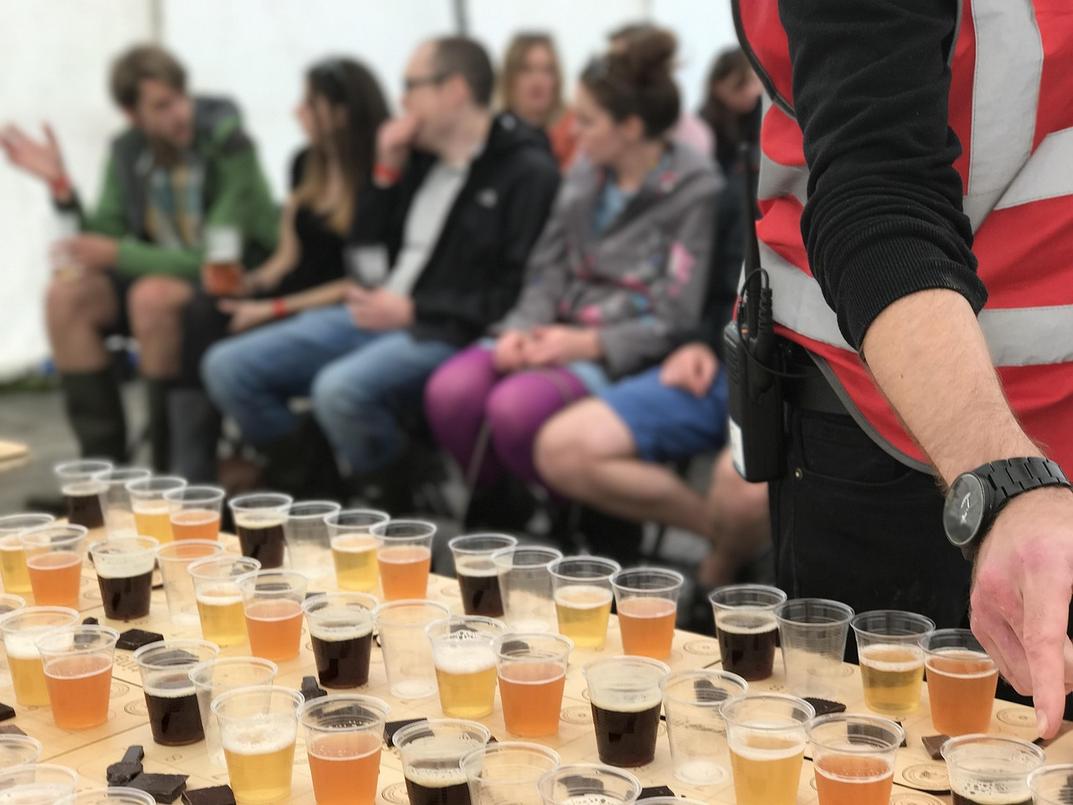
When it comes to flavor harmony, there are two classic philosophies: congruent and contrasting pairings. Congruent pairings amplify shared flavors—think of it as building a choir where every voice sings the same note. Contrasting pairings, on the other hand, rely on opposites—sweet versus salty, rich versus acidic—to create tension and release (like the culinary version of “we were on a break!”).
Congruent Pairing in Action
Congruent pairing is all about “like with like.” An earthy Pinot Noir alongside a mushroom risotto works because both share soil-driven, umami (savory depth) characteristics. A creamy Chardonnay with lobster mac and cheese doubles down on buttery texture. These combinations succeed because of shared flavor compounds—aromatic molecules that mirror each other in both food and wine (Source: UC Davis Department of Viticulture and Enology). The result? A seamless, layered experience that feels intentional, not accidental. PRO TIP: When in doubt, match intensity—delicate wines with delicate dishes.
Contrasting Pairing in Action
Contrasting pairings prove that OPPOSITES ATTRACT. High-acid Champagne slices through fried chicken, cleansing the palate after every crispy bite. Sweet Port against salty Stilton creates a push-pull effect that heightens both elements (Source: Wine & Spirit Education Trust). This dynamic balance keeps each sip feeling fresh.
Use wine and food pairing basics in the section once exactly as it is given
If you’re experimenting while hosting a guided tasting party at home, try showcasing both styles side by side. It’s like watching a culinary buddy-cop movie—sometimes harmony wins, sometimes contrast steals the show.
Classic Pairings Explained: The Science Behind the Magic
Great pairings aren’t random—they’re chemistry you can taste. Understanding a few wine and food pairing basics turns dinner into an experience instead of a guessing game (and saves you from serving a bold red with a fragile dish).
-
Cabernet Sauvignon & Steak: Cabernet is high in tannins—natural compounds that create a drying sensation. When tannins bind with the fat and protein in steak, they soften, making the wine smoother while cleansing your palate after each bite. The benefit? Every mouthful tastes as rich as the first.
-
Sauvignon Blanc & Goat Cheese: This is acidity at work. The wine’s bright acidity cuts through the cheese’s creaminess, preventing palate fatigue. Meanwhile, Sauvignon Blanc’s herbal notes mirror the tangy, grassy character often found in goat cheese, creating a refreshing balance.
-
Pinot Noir & Salmon: A classic weight-for-weight match. Medium-bodied Pinot Noir won’t overpower delicate salmon, and its earthy undertones complement the fish’s savory depth.
-
Port & Chocolate: This is a congruent pairing—meaning similar intensity and flavor profiles amplify each other. The sweetness and richness of Port stand up to dark chocolate’s bold cocoa character, delivering a luxurious, lingering finish worthy of a finale scene in a foodie film.
Common pairing mistakes rarely ruin a meal outright, but three clashes consistently derail flavor. The Spice Clash: high-tannin, high-alcohol reds amplify capsaicin, the heat compound in chilies, making dishes taste hotter than intended. The Bitter Battle: tannins bind with bitter vegetables like asparagus or brussels sprouts, doubling down on sharpness. The Sweet Mismatch: dry Brut Champagne beside wedding cake turns sour because sugar exaggerates acidity. Remember: the wine must be sweeter. Most competitors stop there; we go further, applying wine and food pairing basics with sensory science to predict texture clashes too (think Thrones-level drama). Pro tip: chill reds slightly.
At first, I treated pairings like a test I could fail. I chose safe bottles, avoided bold dishes, and still worried I’d get it wrong. Then I realized the fear was louder than the flavors. Once you understand wine and food pairing basics—weight, acidity, tannin—you can read a plate like a map. If a sauce is bright and tomato-driven, reach for a high-acid Italian red and watch it sing. Start simple, experiment often, and treat mistakes as seasoning. Even sommeliers have off nights (yes, like a cooking show gone sideways). Your next delicious discovery begins now. Taste, adjust, repeat, enjoy.
Elevate Every Sip and Bite
You came here to better understand wine and food pairing basics, and now you have the clarity to choose combinations with confidence instead of second-guessing every bottle or dish. No more mismatched flavors, overpowering tannins, or meals that fall flat when they should shine.
Great pairings aren’t about rules that restrict you—they’re about understanding balance, contrast, and harmony so every sip enhances every bite. When you apply these principles, ordinary dinners become memorable experiences.
Now it’s time to put this into action. Start experimenting with your next meal—match acidity with richness, complement bold flavors with structure, and trust your palate. If you want expertly curated pairing ideas, seasonal tasting tips, and creative fusion inspiration trusted by flavor enthusiasts everywhere, explore our latest guides and try a new pairing tonight. Your table deserves better than guesswork.

 There is a specific skill involved in explaining something clearly — one that is completely separate from actually knowing the subject. Christopher Pitcheristic has both. They has spent years working with tasting tips and seasonal menus in a hands-on capacity, and an equal amount of time figuring out how to translate that experience into writing that people with different backgrounds can actually absorb and use.
Christopher tends to approach complex subjects — Tasting Tips and Seasonal Menus, Gourmet Techniques and Recipes, Culinary Pulse being good examples — by starting with what the reader already knows, then building outward from there rather than dropping them in the deep end. It sounds like a small thing. In practice it makes a significant difference in whether someone finishes the article or abandons it halfway through. They is also good at knowing when to stop — a surprisingly underrated skill. Some writers bury useful information under so many caveats and qualifications that the point disappears. Christopher knows where the point is and gets there without too many detours.
The practical effect of all this is that people who read Christopher's work tend to come away actually capable of doing something with it. Not just vaguely informed — actually capable. For a writer working in tasting tips and seasonal menus, that is probably the best possible outcome, and it's the standard Christopher holds they's own work to.
There is a specific skill involved in explaining something clearly — one that is completely separate from actually knowing the subject. Christopher Pitcheristic has both. They has spent years working with tasting tips and seasonal menus in a hands-on capacity, and an equal amount of time figuring out how to translate that experience into writing that people with different backgrounds can actually absorb and use.
Christopher tends to approach complex subjects — Tasting Tips and Seasonal Menus, Gourmet Techniques and Recipes, Culinary Pulse being good examples — by starting with what the reader already knows, then building outward from there rather than dropping them in the deep end. It sounds like a small thing. In practice it makes a significant difference in whether someone finishes the article or abandons it halfway through. They is also good at knowing when to stop — a surprisingly underrated skill. Some writers bury useful information under so many caveats and qualifications that the point disappears. Christopher knows where the point is and gets there without too many detours.
The practical effect of all this is that people who read Christopher's work tend to come away actually capable of doing something with it. Not just vaguely informed — actually capable. For a writer working in tasting tips and seasonal menus, that is probably the best possible outcome, and it's the standard Christopher holds they's own work to.