
We’ve all been there (meals) that feel like they’re on repeat, flavors that once thrilled turning into a predictable groove. It’s like eating on autopilot. You know the feeling, right?
Here’s the thing: every bite can be an adventure. Imagine unlocking new taste experiences with unexpected flavor pairings. Intrigued?
I am. This isn’t just about tossing things together randomly. It’s about understanding the science of taste, diving deep into culinary trends, and mastering sensory pairing.
I promise you’ll leave with more than a simple list. You’ll gain the confidence to create your own culinary masterpieces. Why trust this?
Because we draw takeaways from renowned chefs and flavor scientists to make sure you get the best. So, ready to awaken your palate and discover your next signature flavor profile?
Flavor Dance: Opposites and Complements
When it comes to unexpected flavor pairings, two principles reign: congruent and contrasting. Ever had white chocolate and caviar? They’re strange bedfellows, but share a common thread (the) same flavor compounds.
And this science-y stuff isn’t just for the elites. You feel it every time you enjoy bacon with maple syrup. Weird, yet so right.
Flavor compounds are like tiny, invisible matchmakers. They connect ingredients that might seem unrelated at first glance. Take key aromatic molecules.
These are the culprits that make chocolate and caviar worth the try. When they align, they create a harmony that gets under your skin (and palate).
Now, food pairing hypotheses guide chefs right and left, balancing formulas with creativity. Following these rules can lead you to stupidly delicious meals, but true magic happens when you break them. Isn’t it thrilling to flip the script and discover something new?
Let’s talk taste. Sweet, sour, salty, bitter, umami. The big five.
They’re the foundation of everything tasty. Balancing them gives life to complex, unique flavor combinations. Ever had a dish and thought, “This needs… something”?
Trust your gut. Maybe it’s a splash of acid or a sprinkle of salt.
Pro tip: engage in ‘The Balancing Act’ by tasting components individually. Ask yourself: which taste dominates? What’s missing?
Then, adjust.
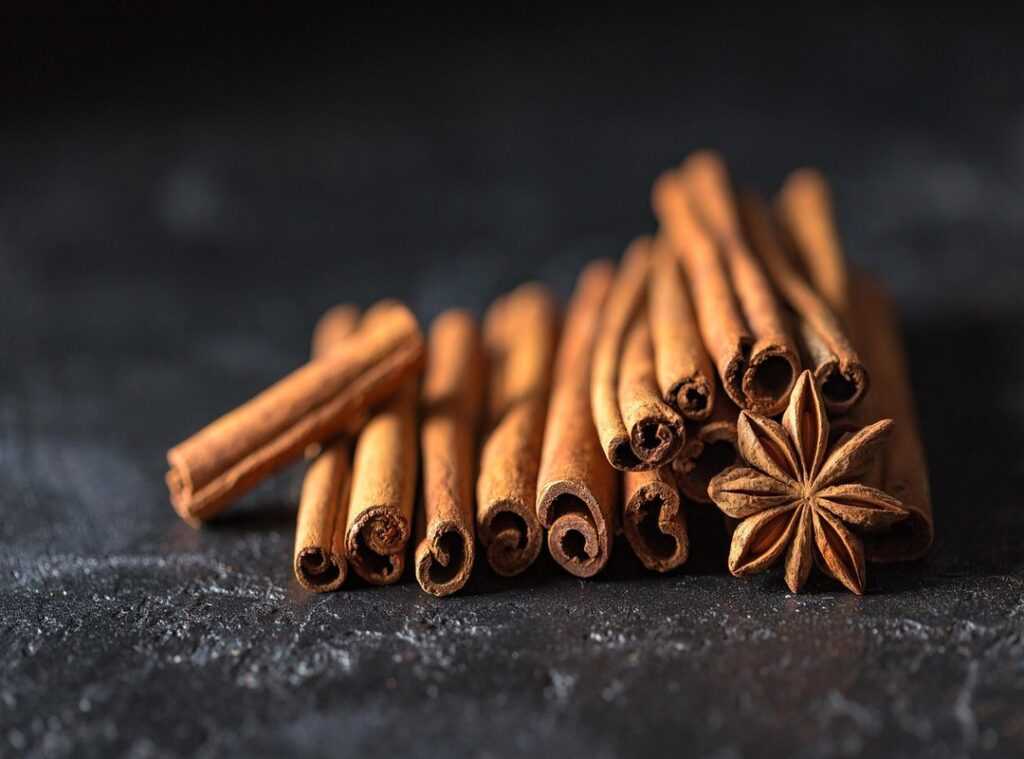
And speaking of flavor adventures, ever wondered about trending spices how to use? Dive in there. Discover what the culinary wave’s bringing to your plate.
Isn’t it exciting when your taste buds lead the way?
Indulgent Pairings: Sweet & Savory Fusions
Sometimes, you need to break the rules and mix dessert with dinner. Why stick to the same old? Enter the world of unexpected flavor pairings.
Let’s start with dark chocolate and parmesan. This isn’t your average combo. The salty, umami crystals in parmesan clash with the deep, bitter notes of cacao.
It’s like a dance where the fat in the cheese calms the chocolate’s intensity. You wouldn’t think it, but it works. Trust me.
Now, picture strawberries with balsamic vinegar and black pepper. The acid in the vinegar makes the strawberry’s sweetness explode. Then, just when you think that’s it, the pepper sneaks in with its warm finish.
It’s a flavor rollercoaster in your mouth.
Honey and goat cheese with thyme is another level of indulgence. Imagine creamy, tangy cheese drizzled with floral honey. The fresh thyme adds this earthy, aromatic twist.
It’s a sensory overload in the best way possible. If you’ve never tried it, you’re missing out.
And then there’s the classic: fig and prosciutto. This one’s a timeless masterpiece. The jammy, seedy sweetness of the fig plays off the salty, savory nature of the prosciutto.
It’s a match made in heaven.
These combos aren’t just about mixing ingredients. They’re about challenging your taste buds and redefining what you think you know about food. And that’s what makes them unforgettable.
Want more crazy ideas? Check out unexpected flavor pairings for a deep dive. It’s a whole world of new tastes waiting for you.
So, what are you waiting for? Go ahead, break the rules. Try something new.
You might just find your new favorite dish. Embrace the chaos of flavors and see where it takes you.
Aromatic Adventures: Herbal, Floral, and Spiced Contrasts
Have you ever closed your eyes and let a smell transport you somewhere else? That’s the magic of aroma. When we talk about unexpected flavor pairings, it’s not just about taste.
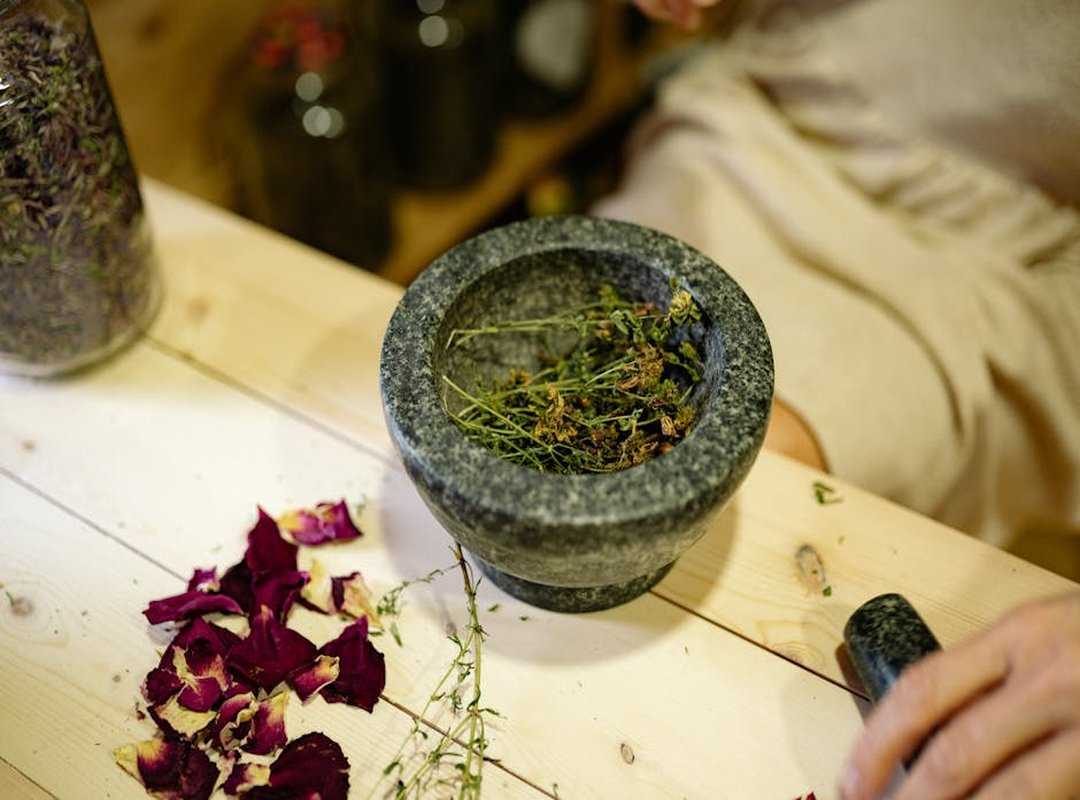
It’s about the whole sensory package. to some pairings that truly delight.
Take lavender and lemon. Imagine a sun-drenched Provençal field. The bright citrus acidity cuts through the heady, floral notes of lavender, lifting your senses.
It’s like a gentle breeze on a warm day. You can almost feel the warmth and smell the earth.
Now, picture rosemary and grapefruit. The piney, resinous herb against the juicy, bittersweet citrus creates an aromatic and textural contrast that’s hard to resist. This combo is perfect in a craft cocktail or a marinade.
You get that burst of freshness with a hint of earthiness. Doesn’t that sound like something you’d want to sip on a lazy afternoon?
Cardamom and orange might seem like an odd couple, but the warmth of the spice with the zesty brightness of the fruit is both exotic and comforting. Perfect for baked goods or infused syrups, this pairing brings a touch of the exotic to your kitchen. It’s like a warm hug with a twist of citrus.
And then there’s chili and mango. Ah, the ‘sweet heat’ phenomenon. The capsaicin in the chili is tempered by the sugary, tropical flesh of the mango.
This creates an addictive cycle of flavor that keeps you coming back for more. It’s the kind of pairing that makes you wonder why you didn’t try it sooner.
If you’re intrigued by these pairings and want to explore more, check out this art dessert beverage pairing. It’s a whole world of culinary exploration waiting for you. So, what’s your favorite unexpected flavor pairing?
The Alchemist’s Glass: Elevating Flavors Through Beverage Fusion
Ever thought of beverages as more than just sidekicks to your meals? They’re the unsung heroes of flavor creation. Let me dive into this with some unexpected flavor pairings.
Imagine the smoky allure of Lapsang Souchong tea, its pine-like essence swirling around seared scallops. It’s not just tea anymore; it’s a broth, a brine, a dance partner to the scallop’s sweet delicacy.
Or take hibiscus. Its floral acidity doesn’t just sit pretty in a glass. It cuts through the richness of lamb like a sophisticated mint sauce in disguise.
Who knew a flower could do that?
And here’s a real kicker: coffee-infused stout with oysters. Sounds wild, right? But that roasted bitterness?
It doesn’t just play nice; it amplifies the briny, mineral notes of the oysters, crafting a deep umami experience you won’t forget.
Pro tip: Your spice rack and beverage cabinet should be one and the same. Mix it up. Blend them.
Create. Your kitchen isn’t just for cooking (it’s) for alchemy. Why settle for ordinary when you can craft something extraordinary?
Ready to rethink your next meal?
Dive Into Flavor Exploration
Tired of the same old tastes? You’re not alone. We all crave something different.
Discovering unexpected flavor pairings is the key to unlocking real creativity. Stop just following recipes. Embrace the art of inventing them.
This week, pick one pairing from our article. Try it. Play with it.
Let your taste buds lead the way. Don’t just taste (experience.) Become the flavor artist you’ve always wanted to be. Ready to start your journey?
Dive in now.

 There is a specific skill involved in explaining something clearly — one that is completely separate from actually knowing the subject. Syrelia Veyland has both. They has spent years working with gourmet techniques and recipes in a hands-on capacity, and an equal amount of time figuring out how to translate that experience into writing that people with different backgrounds can actually absorb and use.
Syrelia tends to approach complex subjects — Gourmet Techniques and Recipes, Tasting Tips and Seasonal Menus, Jalbite Beverage Fusion Concepts being good examples — by starting with what the reader already knows, then building outward from there rather than dropping them in the deep end. It sounds like a small thing. In practice it makes a significant difference in whether someone finishes the article or abandons it halfway through. They is also good at knowing when to stop — a surprisingly underrated skill. Some writers bury useful information under so many caveats and qualifications that the point disappears. Syrelia knows where the point is and gets there without too many detours.
The practical effect of all this is that people who read Syrelia's work tend to come away actually capable of doing something with it. Not just vaguely informed — actually capable. For a writer working in gourmet techniques and recipes, that is probably the best possible outcome, and it's the standard Syrelia holds they's own work to.
There is a specific skill involved in explaining something clearly — one that is completely separate from actually knowing the subject. Syrelia Veyland has both. They has spent years working with gourmet techniques and recipes in a hands-on capacity, and an equal amount of time figuring out how to translate that experience into writing that people with different backgrounds can actually absorb and use.
Syrelia tends to approach complex subjects — Gourmet Techniques and Recipes, Tasting Tips and Seasonal Menus, Jalbite Beverage Fusion Concepts being good examples — by starting with what the reader already knows, then building outward from there rather than dropping them in the deep end. It sounds like a small thing. In practice it makes a significant difference in whether someone finishes the article or abandons it halfway through. They is also good at knowing when to stop — a surprisingly underrated skill. Some writers bury useful information under so many caveats and qualifications that the point disappears. Syrelia knows where the point is and gets there without too many detours.
The practical effect of all this is that people who read Syrelia's work tend to come away actually capable of doing something with it. Not just vaguely informed — actually capable. For a writer working in gourmet techniques and recipes, that is probably the best possible outcome, and it's the standard Syrelia holds they's own work to.