
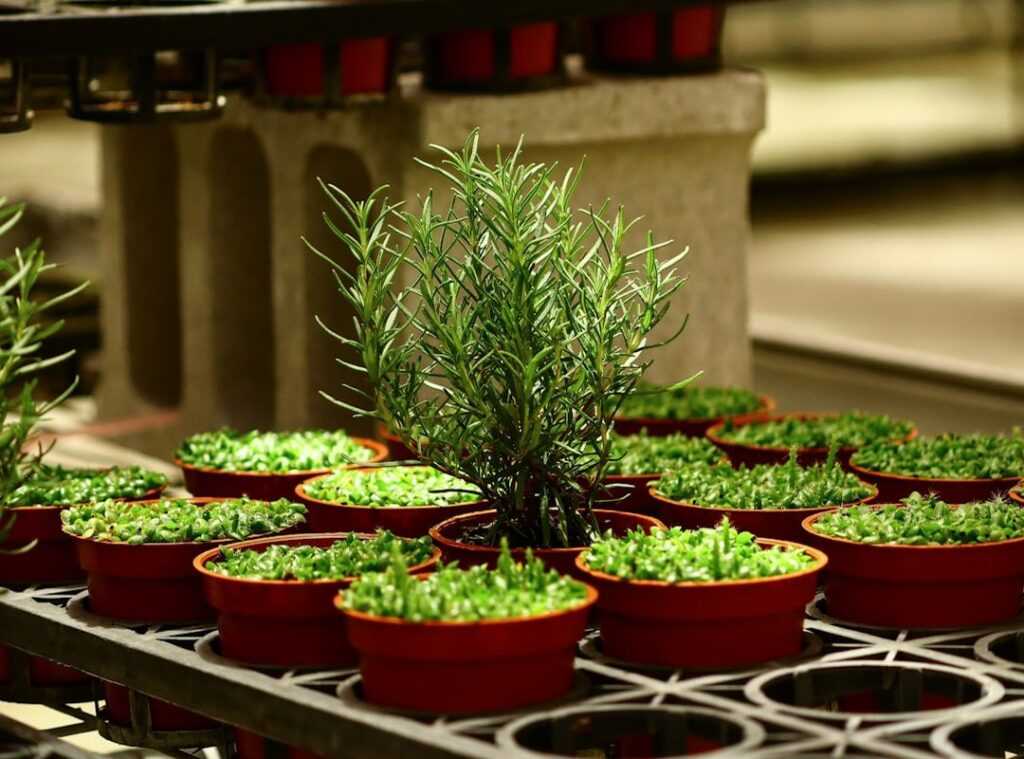
Imagine a smoky, savory mushroom steak that melts in your mouth. You didn’t think plants could taste like this, did you? Here’s the thing, you’re not alone.
The plant-based dining rise is transforming what we expect from a meal. You’ve probably noticed the trend, those colorful, lively dishes filling your Instagram feed. But why’s this happening?
And how are chefs making it so damn tasty?
Chefs are diving deep into flavor science, unlocking incredible tastes with humble ingredients like pulses and grains. It’s not just about swapping meat for a veggie patty. It’s about creativity, using culinary techniques to make plants the star.
I’ve been obsessed with this shift (tracking it for years), and trust me, it’s worth understanding.
In this guide, we’ll explore how these dishes are crafted, how chefs are reinventing flavors, and how you can pair them perfectly at home. Ready to discover what makes plants the new culinary frontier?
It’s Not a Diet: A New Culinary Adventure
Let’s get one thing straight. “Plant-forward” isn’t just another label like vegan or vegetarian. It’s a celebration of plants. Instead of cutting out meat entirely, it’s about elevating vegetables, fruits, grains, and pulses to be the stars of the plate.
Sounds intriguing, right?
You might think plant-based dining is all bland tofu and boring salads. Wrong. It’s a lively, texturally diverse world.
Imagine a “carrot lox” bagel that plays with your taste buds, a “beetroot wellington” that feels as luxurious as its beef counterpart, or a lentil bolognese that could make any Italian nonna proud. These dishes aren’t just alternatives; they stand tall on their own.
So what’s driving this plant-based dining rise? It’s a mix of curiosity, sustainability, and wellness. People are hungry for new flavors (pun intended).
We’re talking about dishes that don’t just sit on a plate but invite you to explore a culinary journey. They push the boundaries of what you thought vegetables could do.
But let’s address the skeptics. Some might argue that nothing beats a juicy steak or a creamy cheese. Fair point.
Yet, plant-forward isn’t about replacing those. It’s about creating new experiences alongside them. It’s about having choices that are just as satisfying.
This shift is part of the top 10 emerging culinary trends. It’s not about exclusion; it’s about inclusion and creativity. Why limit yourself to just one way of dining when there’s a whole world of flavors waiting to be discovered?
The Chef’s Secret: Unlocking Umami and Texture in Vegetables
Have you ever wondered why some veggies taste almost… meaty? Let’s dive into how chefs are working their magic. It’s not sorcery, though it might seem like it.
Smoking & Grilling. Here’s the deal: when you toss veggies like cabbage or sweet potatoes over a live fire, they soak up all that charred goodness. Smoke adds a depth that’s almost primal. It’s a technique once reserved for meats but now? Vegetables are getting in on the action. The result is a savory bite that even carnivores can’t resist. I once had smoked cabbage that just about changed my life.
Then we have fermentation. Think miso, tempeh, or house-made kimchi. Fermenting isn’t just for the hipster crowd.
At least not anymore. It’s an age-old practice bringing layers of umami and a tang that’s both refreshing and complex. Whether you’re a fan of kimchi or a sucker for sauerkraut, you know the magic I’m talking about.
You can see how forward food is shifting menus toward plants with these new flavor techniques.
Next up: Aging & Curing. Imagine salt-baking beets to intensify their sweetness or curing squash for enhanced flavor. It’s like fine wine but for plants.
These techniques turn veggies into rich, savory delights. All this effort just so your taste buds can dance a little jig.
Why is this happening? The rise of plant-based dining, of course. Diners are craving satisfaction without the guilt or environmental impact of meat.
And let’s be honest, these techniques make plants taste extraordinary. When you chew on a perfectly grilled carrot or a slice of salted beet, you’re not just eating a veggie. You’re experiencing culinary art.
So next time you sit down to a plant-based meal, savor each bite. It’s not just food. It’s a revolution.
The Unsung Heroes: Culinary Pulses Powering the Movement
Have you ever thought about the sheer versatility of pulses? I’m talking lentils, chickpeas, beans, and peas. They’re more than just the cheap, dusty bags you pass in the grocery aisles.
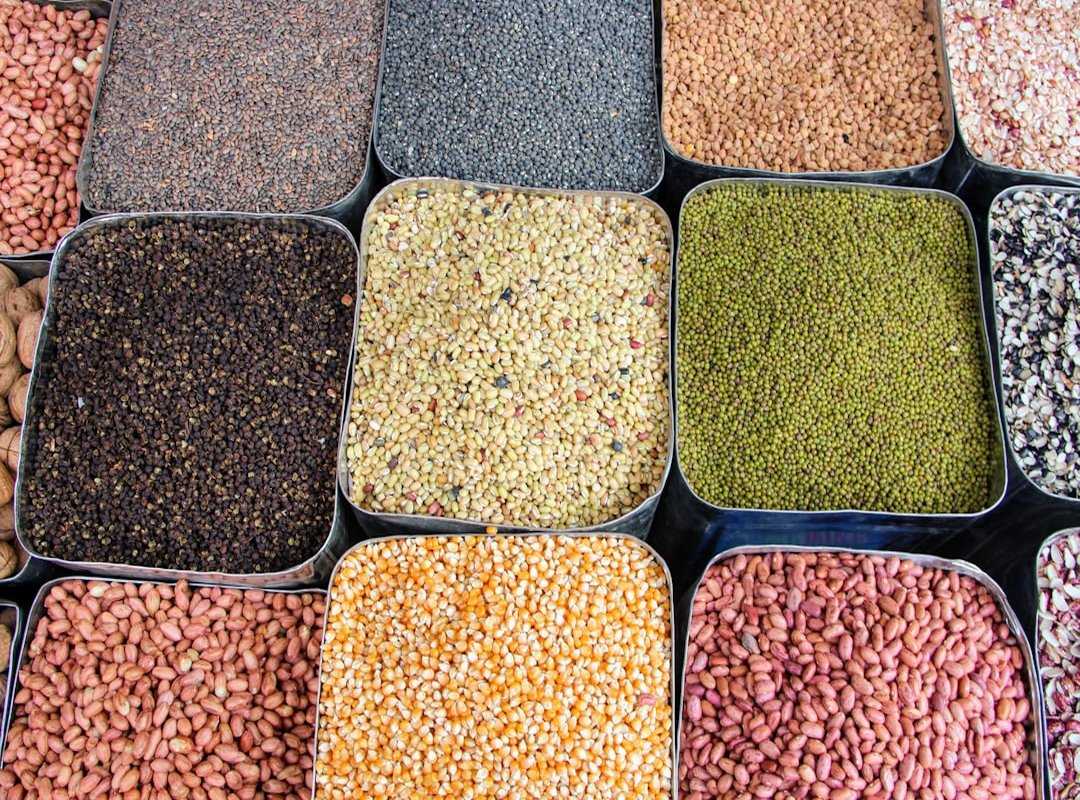
These little powerhouses are changing how we approach the plant-based dining rise. They’re the unsung heroes, slowly holding the fort for modern plant-forward cooking.
to their magic. Ever made a silky puree with chickpeas or cannellini beans? It’s like magic (creamy) without the cream.
You can turn them into sauces that hug your pasta like a warm blanket. Then there are the hearty fillings. Picture this: lentil and black bean burgers that don’t fall apart the moment you take a bite.
Or lentil ‘meatballs’ that make your pasta night unforgettable.
What about crispy elements? Ever tossed roasted chickpeas into a salad? They’re like tiny flavor bombs, giving your bowls the crunch you didn’t know you needed.
And don’t get me started on their ability to carry bold flavors. Imagine earthy black lentils paired with smoked paprika and a squeeze of lime. It’s not just a dish; it’s an experience.
Curious about how these ingredients tie into culinary history? They’re at the heart of many culinary traditions making comeback. It’s fascinating how these humble ingredients have become big in gourmet techniques and recipes today.
Why not give them a try? Next time you’re planning a meal, think about how these pulses can transform your plate. They’re more than just a side dish; they’re the backbone of a movement.
Beyond Wine: Creative Beverage Pairings for Plant-Forward Flavors
When it comes to plant-based dining rise, why should wine get all the glory? Complex plant dishes deserve equally creative beverage pairings. (I mean, who wants to be stuck in the old wine rut?) Let’s shake things up with some bold and unexpected options.
First up, the Earthy & Rooted pairing. Imagine a beet or mushroom dish matched with a funky kombucha or an earthy, non-alcoholic botanical spirit. It’s like a walk through a forest, but for your taste buds.
The flavors dance together, creating a harmony you didn’t know you needed.
Next, we dive into the Spicy & Aromatic area. Think spicy Thai-inspired curry with a cooling, herb-infused craft soda or a slightly sweet fruit nectar. The heat meets the chill, creating a balance that makes your mouth water.
Who knew a drink could tame the spice beast?
Finally, let’s refresh with Fresh & Green. A bright salad or asparagus dish finds its soulmate in a crisp, dry botanical seltzer or a cucumber-mint concoction. It’s like a garden party in your glass, light and invigorating.
These pairings complete the dining puzzle, elevating the entire experience. Why settle for ordinary when you can create magic on your plate and in your glass?
Dive Into Flavorful Plant-Forward Dining
The plant-based dining rise isn’t just about health. It’s a tasty revolution. We’ve explored techniques and ingredients that turn plant-forward dishes into a feast for the senses.
Who doesn’t love exciting meals, regardless of their diet? Now you know how to make it happen. Curious?
Try a new recipe at home or experiment with the techniques next time you eat out. Trust me, your taste buds will thank you. Ready to raise your dining game?
Dive into flavors and redefine your meals. Explore our tips. You’ll see.
Plant-forward is the future of delicious dining.

 Ask Thomas Blairatsers how they got into jalbite beverage fusion concepts and you'll probably get a longer answer than you expected. The short version: Thomas started doing it, got genuinely hooked, and at some point realized they had accumulated enough hard-won knowledge that it would be a waste not to share it. So they started writing.
What makes Thomas worth reading is that they skips the obvious stuff. Nobody needs another surface-level take on Jalbite Beverage Fusion Concepts, Gourmet Techniques and Recipes, Explore More. What readers actually want is the nuance — the part that only becomes clear after you've made a few mistakes and figured out why. That's the territory Thomas operates in. The writing is direct, occasionally blunt, and always built around what's actually true rather than what sounds good in an article. They has little patience for filler, which means they's pieces tend to be denser with real information than the average post on the same subject.
Thomas doesn't write to impress anyone. They writes because they has things to say that they genuinely thinks people should hear. That motivation — basic as it sounds — produces something noticeably different from content written for clicks or word count. Readers pick up on it. The comments on Thomas's work tend to reflect that.
Ask Thomas Blairatsers how they got into jalbite beverage fusion concepts and you'll probably get a longer answer than you expected. The short version: Thomas started doing it, got genuinely hooked, and at some point realized they had accumulated enough hard-won knowledge that it would be a waste not to share it. So they started writing.
What makes Thomas worth reading is that they skips the obvious stuff. Nobody needs another surface-level take on Jalbite Beverage Fusion Concepts, Gourmet Techniques and Recipes, Explore More. What readers actually want is the nuance — the part that only becomes clear after you've made a few mistakes and figured out why. That's the territory Thomas operates in. The writing is direct, occasionally blunt, and always built around what's actually true rather than what sounds good in an article. They has little patience for filler, which means they's pieces tend to be denser with real information than the average post on the same subject.
Thomas doesn't write to impress anyone. They writes because they has things to say that they genuinely thinks people should hear. That motivation — basic as it sounds — produces something noticeably different from content written for clicks or word count. Readers pick up on it. The comments on Thomas's work tend to reflect that.