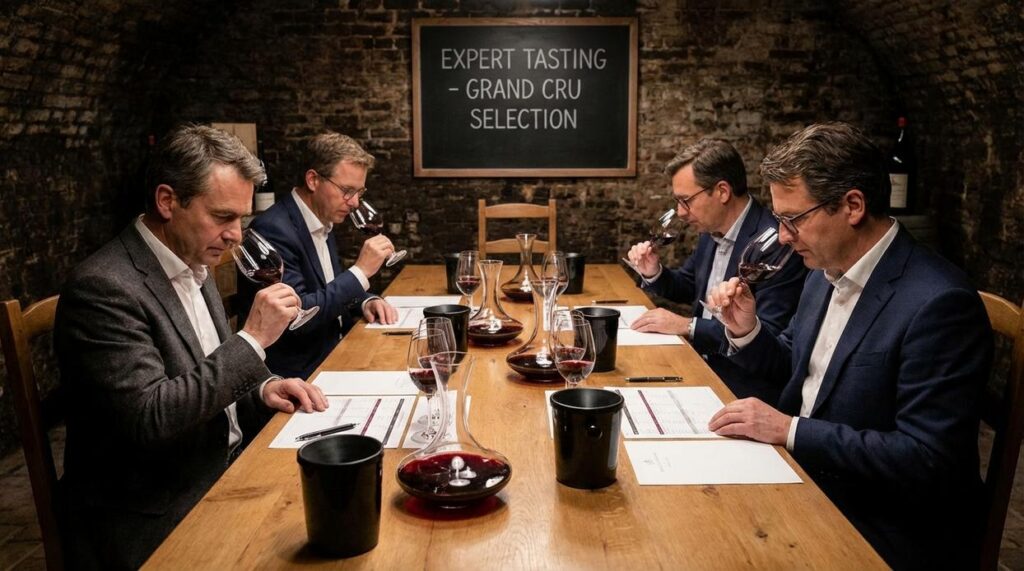
If you’re searching for creative guided tasting party ideas, you’re likely looking for more than just a menu—you want an experience your guests will remember. This article is designed to help you plan a tasting event that feels curated, cohesive, and effortlessly impressive, whether you’re exploring seasonal flavors, beverage pairings, or gourmet small bites.
We break down guided tasting party ideas into clear, practical steps: how to structure the tasting flow, choose complementary flavor profiles, pair drinks with intention, and create a sensory journey from the first sip to the final bite. You’ll also find tips on theme selection, presentation details, and interactive elements that keep guests engaged.
Our recommendations are rooted in culinary trend research, tested flavor pairings, and hands-on experience developing tasting menus and beverage fusion concepts. By the end, you’ll have a confident plan to host a polished, flavorful event that feels both elevated and approachable.
Craft a Memorable Tasting Night
Tired of the usual ‘bring a bottle’ routine? Instead, design a focused experience using guided tasting party ideas that turn casual sipping into discovery. First, choose a clear theme—single-origin chocolates, regional wines, or craft mocktails—so guests compare like with like (it keeps opinions from spiraling). Next, provide tasting cards to note aroma, body, and finish—terms that describe scent, texture, and aftertaste. Some argue structure feels formal; however, a light framework actually sparks better conversation. Finally, pair small bites strategically; acidity cuts richness, while sweetness tempers spice. The result? An engaging, flavorful evening everyone remembers vividly.
The Heart of the Matter: Selecting a Compelling Tasting Theme
At first glance, a tasting without a theme can feel liberating—just pick what you like and pour. However, that “anything goes” approach often leads to a scattered experience. A tasting theme—a unifying concept that connects every item sampled—creates structure, deepens learning, and turns casual sipping into a story guests can follow.
Some argue themes feel restrictive. Why limit choices? Yet paradoxically, constraints spark creativity (ask any chef on a cooking show). With a clear focus, comparisons become sharper and conversations more meaningful.
Consider these classic frameworks:
- Vertical Tasting – The same wine from different vintages (e.g., Cabernet Sauvignon 2015–2017) to explore how climate and aging shape flavor.
- Horizontal Tasting – Same region and year, different producers (think 2020 Chianti Classico) to reveal stylistic nuance.
- Regional Showdown – One varietal, multiple terroirs, such as New Zealand Sauvignon Blanc vs. French Sancerre.
Meanwhile, creative themes expand inclusivity. Artisanal chocolate flights highlight cacao origin differences. Olive oil explorations compare peppery versus buttery profiles. Craft coffee or tea tastings showcase processing methods and regional character.
Here’s what others often miss: build guided tasting party ideas around sensory contrasts—acid vs. tannin, roast vs. floral—not just geography. Pro tip: provide tasting cards so guests track impressions in real time.
Ultimately, a compelling theme transforms sampling into discovery.
Setting the Stage: Logistics for a Flawless Flow
A seamless tasting doesn’t happen by accident. It’s designed. And the hosts who treat logistics as an afterthought? They’re usually the ones scrambling for extra glasses mid-pour (we’ve all seen it).
Guest List & Portions
Keep your circle intimate—6–10 guests is the sweet spot. Smaller groups encourage DISCUSSION, not lectures. Plan for 1–2 ounce pours per item. A “pour” is simply the measured amount served, and consistency matters. Too much dulls perception; too little frustrates guests. Some argue bigger servings feel generous. In reality, smaller pours sharpen focus and allow comparison without palate fatigue.
Glassware Is Key
Use identical glassware for every sample. Glass shape influences aroma concentration, which directly impacts flavor perception. Uniform glasses eliminate bias. (Yes, even that “lucky” oversized goblet has to go.)
The Tasting Station
Set each place with:
- Glasses arranged in order
- A pen and tasting mat
- Water
- A spittoon (optional, but PROFESSIONAL)
This structure mirrors sommelier exams and creates FLOW. It also subtly elevates the experience beyond casual sipping.
Serve at the Right Temperature
Temperature alters volatility—the rate at which aroma compounds evaporate. Slightly chill reds (55–60°F) or warm whiskey gently in your hand to release aromatics. Research-backed sensory studies confirm temperature shifts change flavor intensity perception (Spence, 2015).
Essential Palate Cleansers
Plain bread, water crackers, and still water are non-negotiable. They reset taste receptors and prevent flavor carryover. For deeper sensory insights, explore understanding texture and aroma in food evaluation.
Many hosts stop here. But incorporating guided tasting party ideas—like blind rounds or aroma challenges—creates engagement competitors rarely emphasize. Pro tip: print flavor wheels for structured notes. DETAILS create distinction.
Guiding the Experience: How to Taste Like a Pro
Most tastings rush the moment. Pros don’t. They build it—step by step—so every sense gets its turn.
Step 1: Look (The Visuals)
Before a sip, observe color, clarity, and viscosity (the way liquid forms “legs” on the glass). A deep ruby wine might suggest age or bold grape varieties, while pale straw tones often hint at lighter body. Thicker legs can indicate higher alcohol or sugar content (physics in action). These clues aren’t decorative—they’re predictive.
Step 2: Smell (The Aromatics)
Swirl to release aromatic compounds—tiny scent molecules that shape flavor perception. This is the MOST overlooked advantage in casual tastings. Categorize what you notice: Fruity like ripe peach? Earthy like damp soil after rain? Spicy like clove? Floral like jasmine? Studies show aroma accounts for up to 80% of perceived flavor (NIH), so don’t skip it.
Step 3: Sip (The Palate)
Take a small sip and let it coat your mouth. Notice the attack (first impression), mid-palate body (light, medium, full), and finish (how long flavors linger). A long finish often signals complexity and quality.
Step 4: Discuss (The Conversation)
Use open-ended prompts. Try guided tasting party ideas to spark shared discovery. Ask: “What fruit does this remind you of?” A tasting notes wheel helps translate instinct into language (and avoids the dreaded ‘it tastes… purple’ moment).
Beyond the Glass: Simple and Strategic Food Pairings
The golden rule is straightforward: food should complement, not overpower, what’s in your glass. In tasting terms, complement means enhancing existing flavors without masking them. So, keep portions small, flavors neutral, and textures intentional.
For red wine, choose hard cheeses like Manchego or aged cheddar, plus charcuterie and a square of dark chocolate. Their fat and tannin balance each other (science backs this interplay of fat and polyphenols). Meanwhile, white wine shines beside goat cheese, brie, green apples, and mild crackers.
If whiskey is your focus, reach for smoked nuts, dried figs, and 70%+ cacao chocolate. The bitterness highlights oak and caramel notes. For coffee or chocolate tastings, try biscotti, shortbread, or fresh berries to draw out acidity or sweetness.
However, timing matters just as much. First, taste one or two items solo. Then introduce pairings. For guided tasting party ideas, structure flights by theme and progress from light to bold. Pro tip: serve water between rounds to reset the palate.
Making it a Tradition: Creating Memories, One Sip at a Time
A year ago, I nervously hosted my first structured tasting, worried it would feel forced. Instead, it sparked conversations that lingered long after the glasses were empty. Since then, it has become our ritual. This framework works because it blends structure with spontaneity. In other words, you’re not just pouring drinks; you’re inviting connection.
Try a simple plan:
- Pick a theme and stick to it.
- Offer small pours to encourage comparison.
- Use guided tasting party ideas to spark discussion.
Pro tip: take notes.
Text friends and set a date.
Elevate Every Sip with Purpose
You came here looking for fresh inspiration to elevate your drinks, refine your flavor pairings, and create memorable tasting moments. Now you have the ideas and seasonal insights to turn ordinary gatherings into curated culinary experiences.
The real frustration isn’t finding a drink recipe — it’s knowing how to pair flavors confidently, impress guests effortlessly, and create an experience that feels intentional rather than improvised. With the right combinations and a little structure, every sip can tell a story.
Now it’s your move. Start planning your next menu around bold pairings, experiment with one new fusion concept this week, or host one of your own guided tasting party ideas to bring everything together. When you approach beverages with strategy and creativity, you transform simple drinks into unforgettable moments.
If you’re ready to stop guessing and start crafting perfectly balanced flavor experiences, explore more pairing inspiration and seasonal tasting strategies today. Your next standout gathering starts with the first intentional pour.

 Syrelia Veyland is the co-founder of jalbitedrinks.net and plays a key role in shaping the platform’s vision and content direction. With a passion for wellness, natural ingredients, and creative drink culture, she ensures the website delivers valuable, reader-friendly content. Syrelia focuses on building a community where people can explore healthy juices, smoothie ideas, and refreshing beverage trends for modern lifestyles.